




The City as a Concrete Sponge
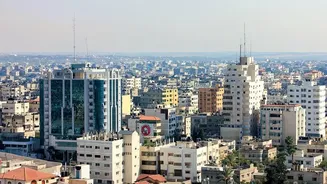
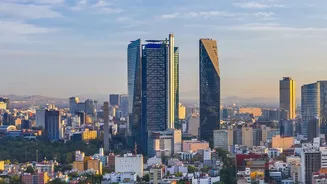
The story of monsoon heat begins with the very fabric of our cities: concrete and asphalt. Unlike natural landscapes, which have vegetation and soil that absorb and transpire moisture to stay cool, urban surfaces are masters of heat absorption. Materials
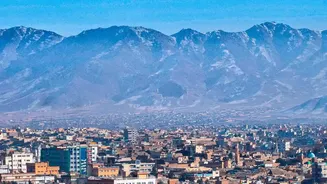
like dark asphalt and dense concrete have low albedo, meaning they absorb more solar radiation instead of reflecting it. Throughout the day, our buildings, roads, and pavements soak up the sun's energy like a giant sponge. When the sun sets, this stored heat is slowly radiated back into the environment, preventing cities from cooling down effectively at night. This phenomenon is known as the Urban Heat Island (UHI) effect, where metropolitan areas can be significantly warmer—sometimes by several degrees—than their surrounding rural counterparts.
Humidity’s Heavy Blanket
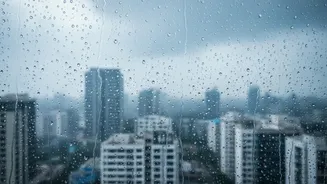
The second key ingredient is humidity. The monsoon season, by its very nature, brings a massive influx of moisture into the atmosphere. While a rain shower might offer a brief moment of cool, it quickly saturates the air with water vapour. This is where our body's natural cooling mechanism hits a snag. We cool down when sweat evaporates from our skin, a process that draws heat away from the body. However, when the air is already full of moisture—as it is during a humid monsoon day—this evaporation slows down dramatically. Your sweat has nowhere to go. The result is that sticky, suffocating feeling where, even with a breeze, you can't seem to cool off. The high humidity acts like a blanket, trapping heat close to your body and making the 'feels-like' temperature, or heat index, much higher than the actual air temperature.
The Monsoon Paradox: A Vicious Cycle
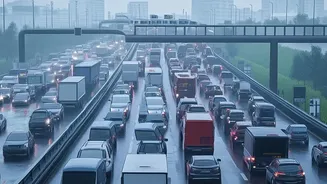
When high humidity and the Urban Heat Island effect collide during the monsoon, they create a vicious cycle. The concrete jungle, already radiating stored heat from the day, keeps nighttime temperatures abnormally high. Then, a rain shower adds even more moisture to the air. This combination of retained heat and elevated humidity is a recipe for extreme discomfort. Even the rain itself can contribute to the warmth through a process called latent heat release; as water vapour condenses into raindrops, it releases heat into the atmosphere. This is why it can sometimes feel even warmer and muggier right after a storm. The dense clusters of buildings in cities also reduce wind flow, preventing the hot, moist air from dispersing and further trapping the heat at street level.
More Than Just Discomfort
This combination of intense heat and humidity is more than just a matter of comfort; it's a significant public health issue. When the body cannot cool itself effectively, it leads to a greater risk of heat-related illnesses such as heat exhaustion and heatstroke. Vulnerable populations, including the elderly, children, and outdoor workers, are at particular risk. The oppressive conditions also lead to increased energy consumption as demand for air conditioning skyrockets, which in turn releases more waste heat into the city environment, further intensifying the UHI effect. Studies show that Indian cities have seen a dramatic rise in dangerously humid heat days, a trend exacerbated by both climate change and rapid, unplanned urbanisation.
Cooling Our Concrete Jungles
Addressing this challenge requires a fundamental rethinking of how we design our cities. Solutions focus on reducing heat absorption and increasing natural cooling. One of the most effective strategies is increasing green cover—planting more trees, creating parks, and installing green roofs provides shade and cools the air through evapotranspiration. Another approach involves using 'cool' materials for buildings and pavements. Lighter-coloured surfaces with high reflectivity (albedo) absorb less heat than traditional dark materials. Simple, low-cost methods like whitewashing roofs with lime can significantly lower indoor temperatures. By integrating such nature-based solutions and smarter urban planning, cities can begin to break the cycle of monsoon heat and create more livable, resilient environments for their citizens.