




Varkala: A Stage Above the Sea
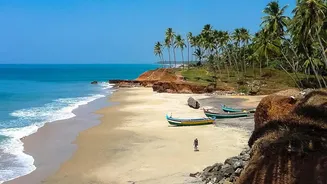
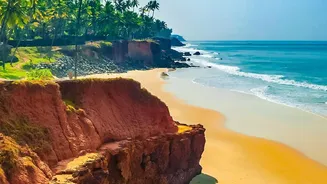
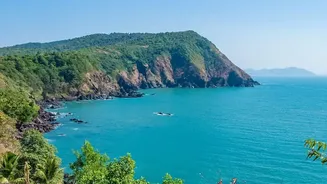
Varkala’s defining feature is its magnificent cliff, a geological marvel that is unique along India's western coastline. These are not just any cliffs; they are a Cenozoic-era sedimentary formation, primarily made of laterite, that rises sharply from
the Arabian Sea. This formation is so significant that it has been declared a national geological monument by the Geological Survey of India. This dramatic elevation creates a stunning two-tiered world for any visitor. Down below is the Papanasam Beach, a long, golden stretch of sand considered sacred for rituals. But the real action is up top. An entire ecosystem of tourism thrives along the cliff's edge. A bustling promenade is lined with an endless array of cafes, restaurants, yoga shalas, and shops, all offering panoramic, uninterrupted views of the ocean below. The experience in Varkala is largely stationary and scenic; you find your spot, settle in, and watch the sky change colours as the sun sets directly in front of you. This consolidated layout makes it incredibly accessible and convenient, concentrating the town's energy into one vibrant, walkable strip.
Gokarna: A Trek Between Hidden Coves
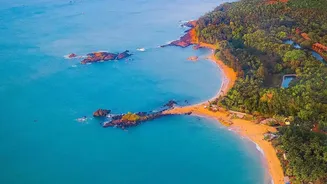
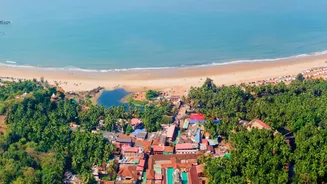
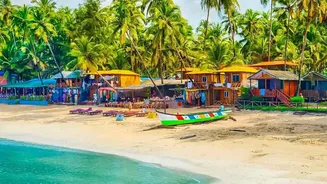
Gokarna, in contrast, offers a geography that encourages movement and exploration. Here, the foothills of the Western Ghats slope down to meet the sea, creating a series of separate, crescent-shaped beaches or coves. This results in a more spread-out and rustic layout. The main beaches—Kudle, Om, Half Moon, and Paradise—are distinct destinations in themselves, each nestled between rocky headlands. While some, like Kudle and Om, are accessible by road, the true essence of Gokarna is found in the trek that connects them. A well-trodden path winds over the hills, offering spectacular views before descending into the next secluded patch of sand. This topography shapes a completely different travel style. It is less about finding one perfect viewpoint and more about the journey between many. The vibe is decidedly more rugged and bohemian, a throwback to an older era of backpacking travel. The infrastructure is simpler, with beach shacks and basic huts replacing the more polished cafes of Varkala.
Geology Dictates the Vibe
The fundamental difference in their topography directly translates to their atmosphere. Varkala’s single, majestic cliff creates a more polished, resort-like feel. It's a destination for those who appreciate comfort, convenience, and a stunning, easily accessible view. It attracts wellness travellers, couples, and families who enjoy having everything—from a good coffee to an Ayurvedic massage—within a short stroll. Gokarna’s chain of coves, on the other hand, cultivates a sense of adventure and discovery. It rewards the traveller who is willing to hike for their solitude, creating a quieter, more laid-back atmosphere. It remains a haven for backpackers, pilgrims, and those seeking to disconnect. Your choice between the two often comes down to this: do you want to sit atop a dramatic cliff with a perfect view, or do you want to walk over hills to discover a series of hidden beaches? Varkala is about the destination; Gokarna is about the journey.
Pilgrimage Roots, Modern Appeal
Beyond the cliffs and coves, both towns have deep spiritual identities that predate their tourism booms. Varkala is home to the 2,000-year-old Janardanaswamy Temple and the Sivagiri Mutt, making it a significant pilgrimage centre in Kerala. The Papanasam beach itself is named for the belief that a dip in its waters washes away sins. Gokarna is one of the most revered Hindu pilgrimage sites in South India, often referred to as 'Kashi of the South'. Its identity is intrinsically linked to the Mahabaleshwar Temple, which houses a sacred lingam. This spiritual undercurrent adds a layer of cultural depth to both destinations. In Gokarna, the town beach is often busy with pilgrims, a stark contrast to the more tourist-focused coves further south. In Varkala, the spiritual and tourist worlds coexist along the same coastline, blending ancient rituals with modern leisure. This shared heritage as holy sites gives both towns a soul that separates them from purely recreational beach destinations.