
A New Eye on Distant Worlds
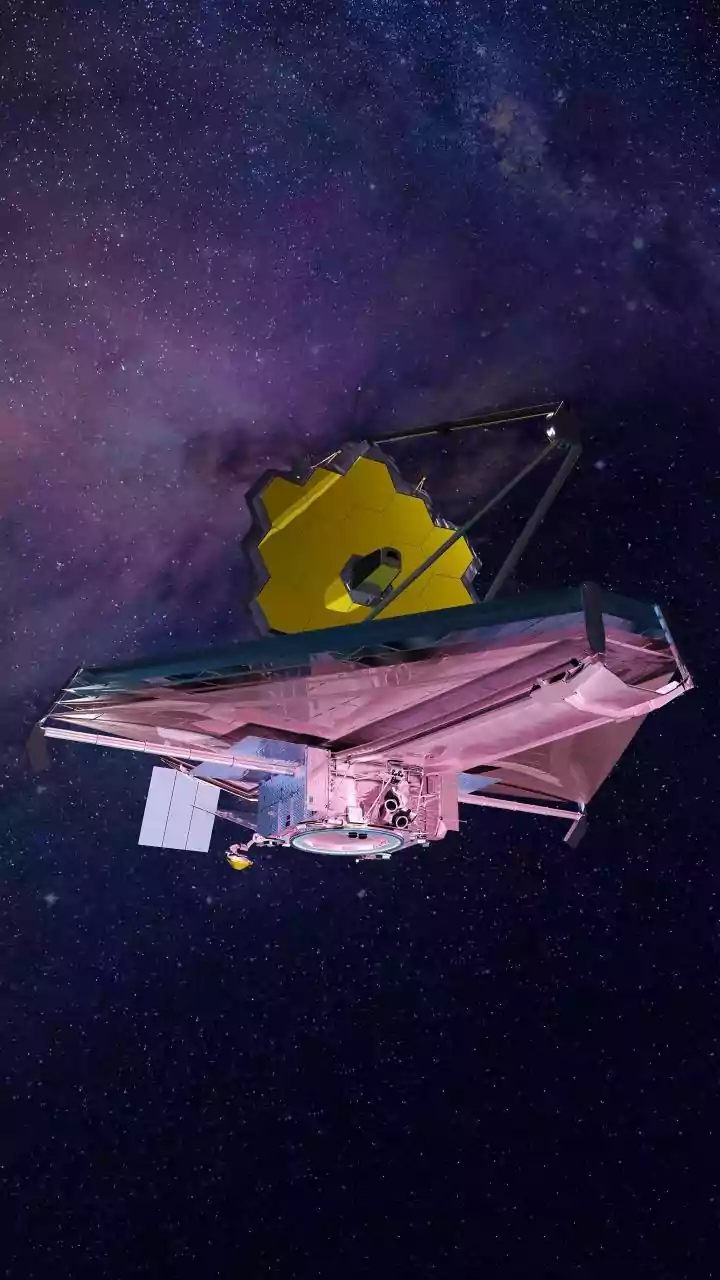
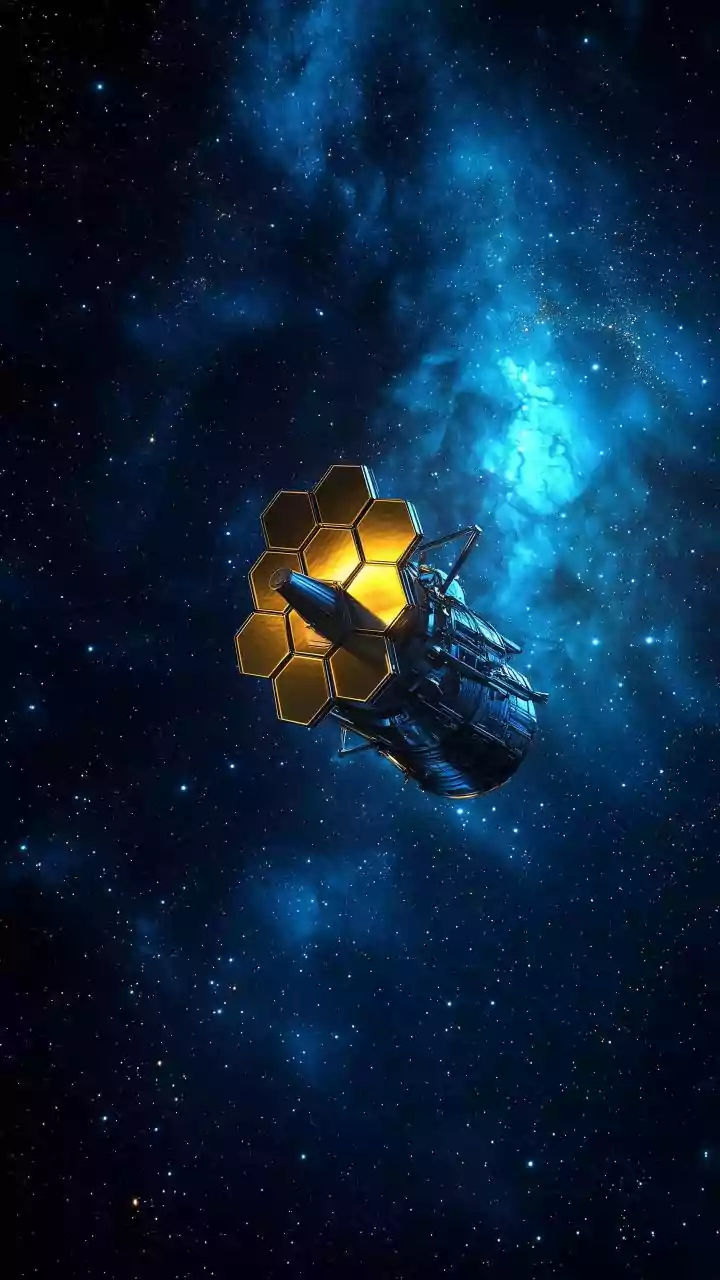
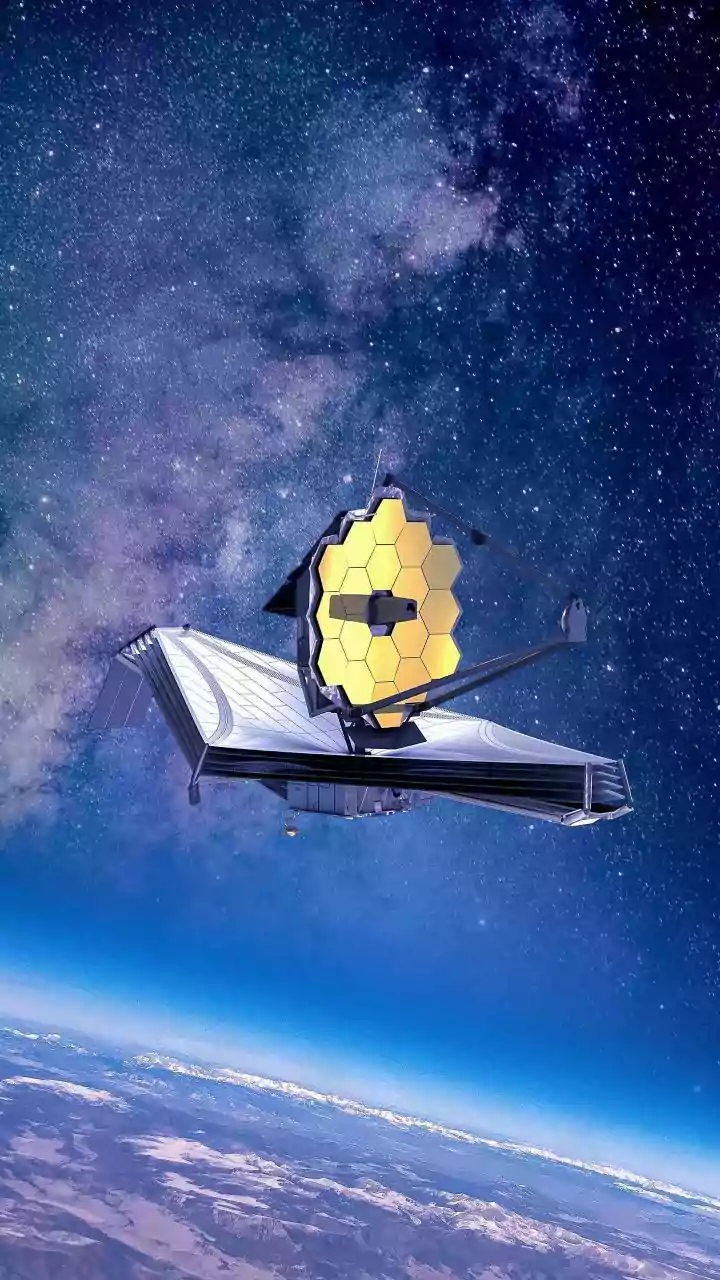
The James Webb Space Telescope is the most powerful space observatory ever built, an international collaboration between NASA, the European Space Agency, and the Canadian Space Agency. While it has many missions, one of its most exciting is the study
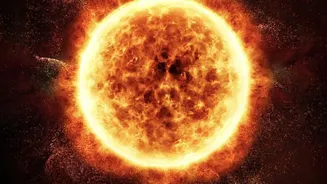
of exoplanets—planets orbiting stars other than our Sun. Using a technique called transit spectroscopy, JWST observes the faint dimming of starlight as a planet passes in front of its star. The starlight that filters through the planet’s atmosphere carries a chemical fingerprint, which Webb's sensitive infrared instruments can decode to reveal the gases present, such as water vapor, methane, and carbon dioxide. This allows astronomers to analyse the composition and dynamics of worlds hundreds of light-years away with stunning detail.
The Fragile Shield of an Atmosphere
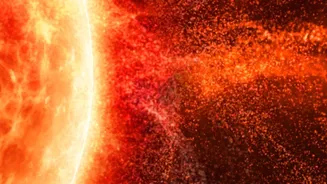
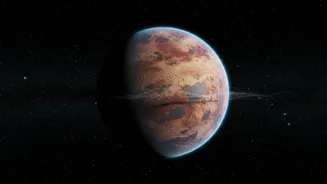
An atmosphere is a crucial ingredient for a habitable planet. It provides a protective shield from harsh stellar radiation, regulates temperature, and creates the pressure needed for liquid water to exist on the surface. However, an atmosphere is not guaranteed. A process known as 'atmospheric escape' occurs when atmospheric gases are stripped away and lost to space. This can happen for several reasons, including intense radiation from a planet's host star literally boiling the atmosphere away over millions of years. For smaller, rocky planets in particular, holding onto their atmosphere is a constant battle. Losing this gaseous envelope can turn a potentially Earth-like world into a barren, lifeless rock.
Catching an Atmosphere in the Act
Recently, JWST has provided the most dramatic views yet of this process. Observations of 'ultra-hot Jupiter' exoplanets like WASP-107b and WASP-121b have shown their atmospheres being violently stripped away in real time. Astronomers watched as enormous tails of helium gas, stretching vast distances, escaped from these planets as they orbited perilously close to their parent stars. In the case of WASP-107b, a low-density 'super-puff' planet, the escaping cloud of helium was so large that it began to transit the star 1.5 hours before the planet itself did. These observations, made possible by JWST's unique instruments, give scientists a direct look at the powerful forces that can render a planet uninhabitable.
Redefining the 'Habitable Zone'
For decades, the search for life has focused on the 'habitable zone,' often called the 'Goldilocks zone'—the orbital ring around a star where temperatures are just right for liquid water to exist. However, JWST's data on atmospheric loss is adding a crucial new layer to this concept. A planet might be in the perfect location, but if it's unable to retain its atmosphere, it cannot be habitable. This is especially true for planets orbiting red dwarf stars, the most common type of star in our galaxy. These stars are known for their violent flare activity, which could scour the atmospheres from any nearby planets. The new findings help scientists understand the physical limits of habitability, showing that location alone isn't enough. A planet’s mass, density, and the intensity of its star's radiation are all critical factors in its ability to hold onto its life-sustaining gases.
Sharpening the Search for Another Earth
While observing a planet losing its atmosphere might sound like a dead end in the search for life, it's actually a vital step forward. By understanding which types of planets are most vulnerable to atmospheric escape, astronomers can better prioritize which worlds to study in greater detail. This process of elimination is crucial. Instead of a broad search across thousands of candidates, scientists can now focus on a more curated list of planets that have the best chance of retaining a stable, life-friendly atmosphere. These findings refine the search, saving valuable telescope time and bringing us closer to answering the ultimate question. The data helps distinguish between worlds that are merely in the right place and those that possess the true resilience needed to harbor life.