








From Pet Owner to 'Pet Parent'
The foundation of India's booming pet economy is a profound emotional shift. Across major cities, a growing number of people, particularly Millennials and Gen Z, no longer see themselves as pet owners but as 'pet parents'. This change in perspective,
often called 'pet humanization', is driven by rising disposable incomes, nuclear family structures, and a desire for companionship in fast-paced urban lives. According to one study, 57% of Indian pet owners consider their pets as family members. This emotional bond is the engine of the new pet economy, transforming discretionary spending into essential care. When a pet is viewed as a child, providing the best for them ceases to be an indulgence and becomes a priority, paving the way for premium products and services.
The Multi-Billion Rupee Bark
The numbers tell a compelling story. India's pet care market was valued at approximately ₹30,434 crore ($3.6 billion) in 2024. But the growth trajectory is what’s truly staggering. Projections indicate the market could surge nearly sevenfold to ₹2.1 lakh crore ($24.8 billion) by 2032. This isn't just about more people buying pet food. It's about a fundamental change in what they are buying. The market for pet services like grooming and training, while smaller than food, is growing rapidly. The pet healthcare segment is one of the fastest-growing sub-categories, constrained only by the supply of trained veterinarians. This rapid expansion signals a maturation of the market, where basic needs are supplemented by a robust ecosystem of value-added services.
A New World of Pet Services
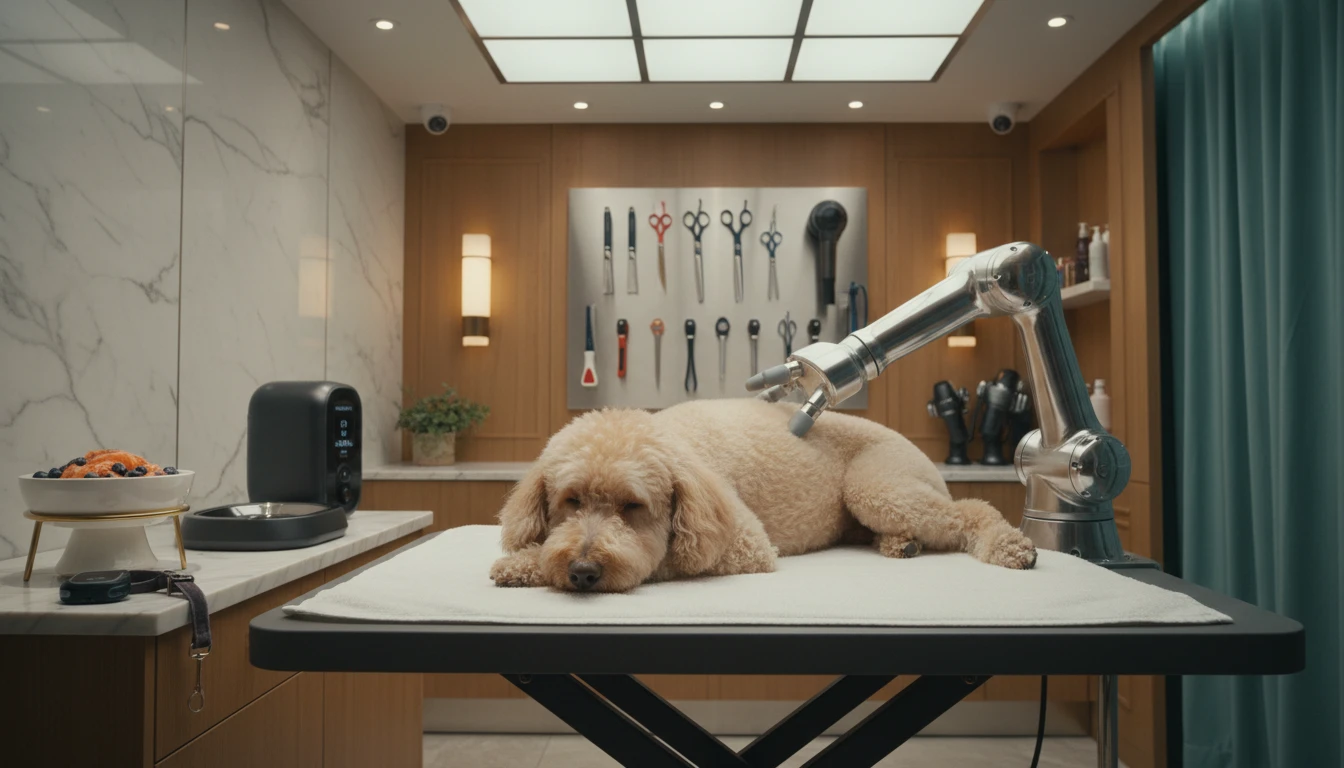
The modern Indian pet parent has access to a service menu that was unimaginable a decade ago. In cities like Bengaluru, Mumbai, and Delhi, this has created a wave of new businesses. Professional grooming salons offer services from basic baths to elaborate styling, with sessions starting from around ₹400. Pet boarding facilities have evolved from basic kennels to 'pet hotels' that provide safe, homely stays while parents travel. Dog walkers, trainers, and in-home pet sitters offer convenience for busy urban professionals. The service economy has even created niche verticals like pet-friendly bakeries crafting birthday cakes for dogs and cats, with celebrations costing upwards of ₹1,000. This diversification of services reflects a market that caters not just to the pet's needs, but the parent's desire to provide a fulfilling life for their companion.
The Digital Leash and D2C Boom
Technology is a key catalyst in this growth story. The rise of e-commerce and quick-commerce platforms has made premium and international pet products accessible across the country. According to a recent report, pet care orders on platforms like Swiggy Instamart grew 41% year-on-year, with searches for 'dog shampoo' soaring by nearly 600%. This digital access has also fueled a boom in Direct-to-Consumer (D2C) brands like Heads Up For Tails, Goofy Tails, and Supertails, who are building entire ecosystems around the pet parent. These platforms offer everything from grain-free food and wellness supplements to online vet consultations and curated accessories, creating a seamless, tech-driven experience for the consumer.
Beyond Metros: The Next Wave of Growth
While Bengaluru may be India's 'pet-pampering capital' and Mumbai leads in cat food demand, the premium pet economy is no longer just a metro phenomenon. The most explosive growth is now happening in Tier-II cities. Pet care orders in these cities have reportedly jumped 96% year-on-year, with places like Guwahati, Meerut, Madurai, and Kottayam seeing growth rates over 500%. This expansion signifies that the 'pet parent' mindset and the demand for quality care are becoming mainstream across urban India. As this trend continues, it will create widespread entrepreneurial opportunities and new jobs for groomers, trainers, and service providers, embedding the pet economy deeply into the fabric of India's urban growth story.