


The Monsoon's Magnifying Effect
During the dry season, a discarded plastic wrapper might just be an eyesore. During the monsoon, it becomes a fast-moving pollutant. The heavy rains that give life to the Ghats also act as a transport system for garbage. A study on the River Sharavathi
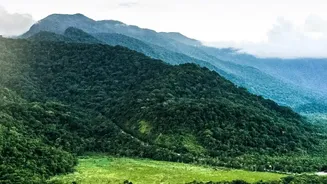
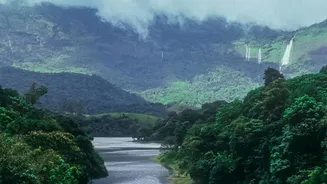
confirmed that intense rainfall flushes microplastics from riverbeds, washing them downstream towards the coast and into the Arabian Sea. What a hiker leaves behind on a trail doesn't stay there; it is swept into streams, rivers, and delicate ecosystems far beyond. This process breaks larger items into tiny microplastic fragments, films, and fibres that contaminate soil and water. These particles can persist for hundreds of years, posing a long-term threat to one of the world's most important biodiversity hotspots.
Understanding the Official Mandates
Authorities across the Western Ghats states have implemented strict rules to combat this issue. In Karnataka, a 2026 Standard Operating Procedure (SOP) for trekking explicitly bans single-use plastics and carry bags on all forest trails. Trekkers are mandated to carry their waste back to the base camp for disposal. Similarly, the Madras High Court in 2025 banned 28 types of plastic products across the entire Tamil Nadu stretch of the Ghats, including water bottles, food wrappers, and plates, with fines for tourists who violate the order. In Kerala, a High Court order from 2025 banned single-use plastics in ten major hilly tourist destinations like Munnar and Thekkady, supplementing a statewide ban from 2020. Forest Department rules for specific treks, like to Agasthyamala, also strictly prohibit carrying plastic items. Maharashtra has enforced a wide-ranging ban on single-use plastic items since 2018, with steep fines for violations.
More Than Just an Eyesore
The damage caused by plastics goes far beyond spoiling a scenic view. These materials pose a direct and lethal threat to wildlife. Animals can suffer grievous injuries from sharp fragments of discarded bottles, with some unnatural elephant deaths even linked to such wounds. When animals ingest plastic, it can cause internal blockages and starvation. As these plastics break down into microplastics, they enter the food chain. They are consumed by small organisms and accumulate in larger predators, eventually making their way into the fish we eat. The pristine streams of the Western Ghats are the source for many of Peninsular India’s rivers; when they are polluted at the source, the contamination spreads far and wide, affecting countless communities and ecosystems downstream.
Your Eco-Friendly Hiking Kit
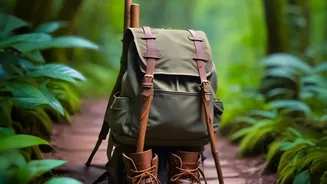
Embracing a plastic-free hike is easier than you might think and starts with smart packing. Instead of buying single-use plastic water bottles, invest in a reusable stainless steel or a high-quality BPA-free bottle. Research shows that reusing disposable PET bottles is unsafe, as they can degrade and leach chemicals. For food, ditch the cling film and plastic bags. Pack sandwiches and snacks in reusable lunchboxes, beeswax wraps, or silicone pouches. Preparing your own energy bars and trail mix at home and carrying them in a small tiffin is a great way to avoid the plastic wrappers that come with store-bought snacks. Finally, carry a small cloth bag to collect any wrappers or waste you might generate, and bring it all back with you. A reusable metal spork can replace disposable plastic cutlery. These small changes, when adopted by many, make a huge difference in preserving the trails.