






Win the Battle at Your Doorstep
The first line of defence against rainy season grime is your entrance. Most mud and water get tracked in on footwear, making this a critical control point. Place a thick, absorbent doormat outside each entrance to catch the worst of the mud and moisture.
A second mat inside provides another layer of protection. During heavy rain, it’s wise to keep a dry mop or cloth near the door to wipe up puddles immediately, as damp floors can take a long time to dry in humid weather and create a slip hazard. Establishing a “wet shoe” spot near the entrance can do more to keep your house clean than any cleaner can fix afterwards.
Tackle Floors with Finesse, Not Floods
During the monsoon, the way you mop is more important than ever. Using too much water is a common mistake that can make floors feel sticky and take hours to dry, encouraging mildew growth in grout lines. The smart strategy is to sweep or vacuum first to remove loose dirt. Then, mop with a damp—not soaking wet—microfibre cloth. Using warm water can help lift sticky grime more effectively. For a deeper clean without harsh chemicals, a diluted solution of white vinegar and water can act as a natural disinfectant and help manage germs. After mopping, pointing a fan at the floor for 10-15 minutes can drastically cut down drying time and prevent that persistent damp feeling.
Banish Dampness and Musty Odours
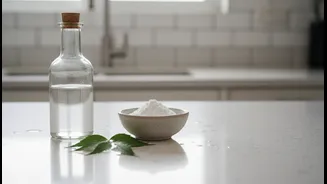
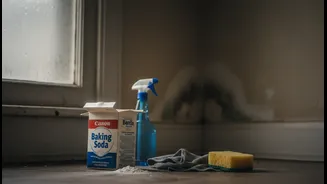
High humidity is the primary cause of that stale, musty smell that permeates homes during the rainy season. Improving air circulation is crucial. Whenever there's a break in the rain, open windows to let fresh air in. Using exhaust fans in kitchens and bathrooms helps pull excess moisture out of the air. For a natural and effective way to combat odours, place open bowls of baking soda or activated charcoal in closets and corners; they work by absorbing both moisture and smells. A few drops of essential oils like lemongrass or tea tree can be added, or you can simmer cinnamon sticks and orange peels on the stove for a pleasant, natural fragrance.
Prevent Mould Before It Starts
Mould thrives in damp, dark, and poorly ventilated areas, and it can start to grow on wet surfaces within just 24 to 48 hours. Prevention is much easier than removal. Regularly inspect areas prone to moisture, like under sinks, bathroom corners, and around window frames. Ensure your bathroom is well-ventilated; using an exhaust fan during and after showers is essential. Wiping down shower walls with a squeegee after each use can dramatically reduce moisture. For a safe, preventative cleaning spray, mix equal parts white vinegar and water. Vinegar is effective against many species of mould and is a safer alternative to bleach for use on porous surfaces like walls.
Choose Your Cleaning Arsenal Wisely
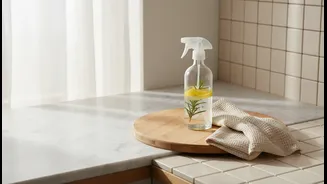
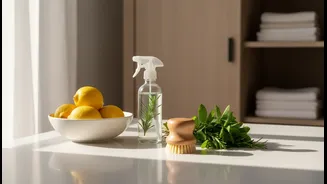
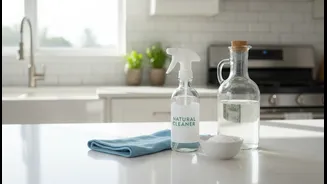
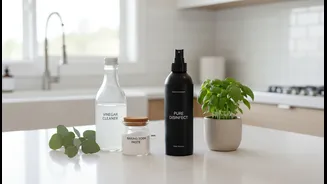
Stronger isn't always better, especially when windows are closed and ventilation is poor. Many conventional cleaners contain harsh chemicals like phenol, which can irritate the respiratory system. Instead, look for plant-based cleaners with ingredients like coconut-based surfactants, or use trusted natural solutions. A mixture of baking soda and water creates a gentle scrubbing paste for surfaces, while a vinegar solution is excellent for disinfection and odour removal. For fabrics and upholstery that develop a musty smell, sprinkle them with baking soda, let it sit for several hours to absorb odours, and then vacuum it up thoroughly.