


Back to Our Roots, But Why Now?
This culinary homecoming isn't happening by accident. It's a direct response to our recent past. The global pandemic pushed immunity and health to the forefront, prompting a search for authentic, time-tested solutions. Many people found them not in a lab-formulated
supplement, but in the familiar spices and recipes of their own heritage. There's also a growing fatigue with the highly processed, industrial food system. Consumers are increasingly seeking out local, seasonal, and sustainable options—principles that have been the bedrock of traditional Indian food systems for centuries. It represents a collective desire for authenticity and a connection to something real in a world saturated with fleeting trends.
The Glorious Return of Ghee
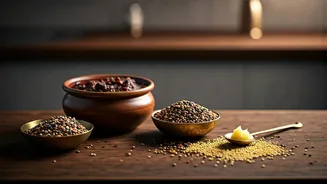
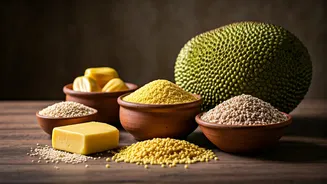
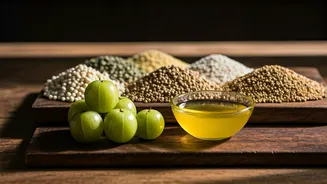
Perhaps no ingredient better symbolises this shift than ghee. For decades, it was unfairly sidelined, labelled as an unhealthy fat in favour of refined vegetable oils. Today, it’s experiencing a full-blown renaissance. Nutritionists and wellness influencers now celebrate it as a nutrient-dense superfood, rich in healthy fatty acids and fat-soluble vitamins. It's praised for its high smoke point, making it ideal for Indian cooking, and its gut-friendly properties. From being smeared on rotis to being blended into 'bulletproof' coffee, ghee has reclaimed its throne in the Indian kitchen, not just as a cooking medium but as a pillar of holistic health.
Fermentation Finds Its Fizz Again
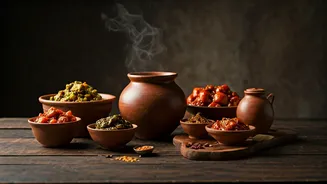
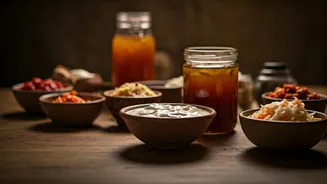
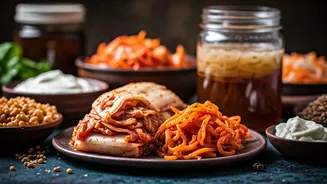
The global conversation around gut health and probiotics has led us straight back to another ancient practice: fermentation. Long before 'kombucha' became a household name, Indian homes were masters of fermentation. Think of the tangy kick of homemade pickles (achar), the sour goodness of kanji made from black carrots, or the perfectly fermented idli and dosa batter. These aren't just methods of preservation; they are ways to create foods teeming with beneficial bacteria that support our digestive system. This renewed appreciation for fermented foods is about understanding that a healthy gut is central to overall well-being, from immunity to mental clarity.
The Mighty Millet Makeover
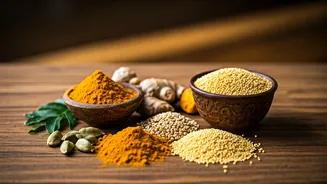
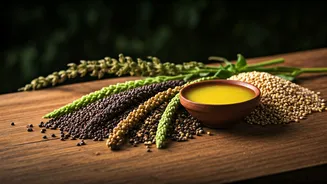
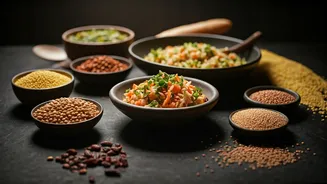
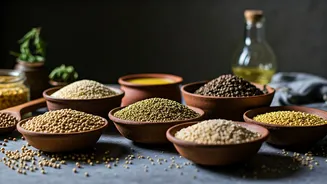
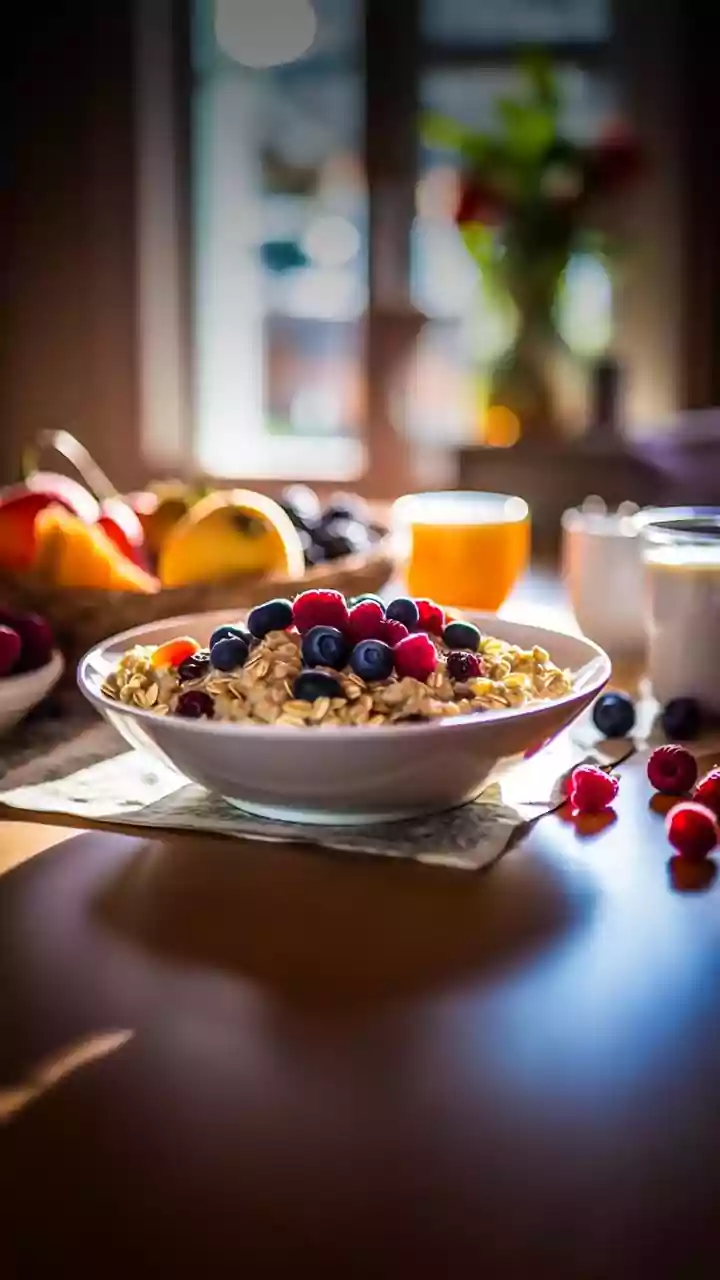
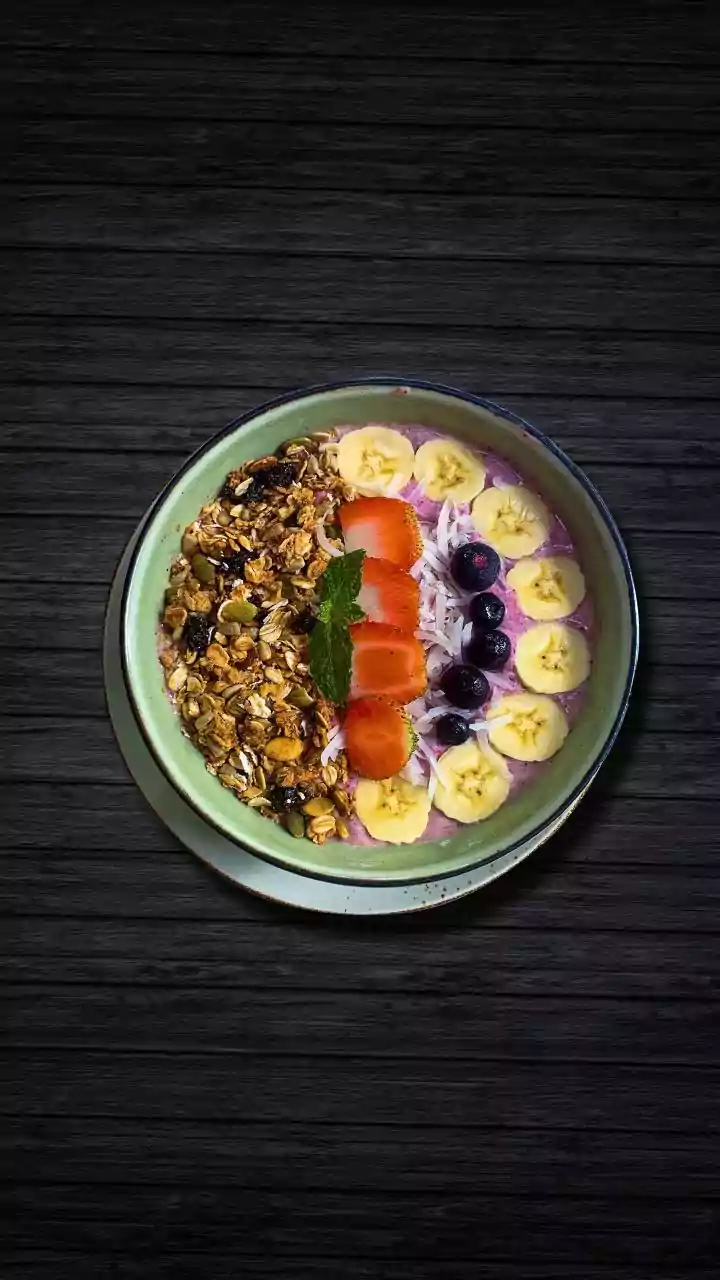
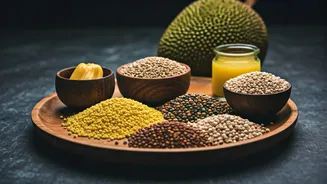
Another star of this revival is the humble millet. Grains like jowar, bajra, and ragi, once staples across the country, were largely replaced by wheat and rice during the Green Revolution. Now, they are making a powerful comeback. Championed by the government and embraced by health-conscious consumers, millets are being recognised for what they always were: nutritional powerhouses. They are gluten-free, high in fibre, and packed with essential minerals. More importantly, they are climate-resilient crops that require less water, making them a smart and sustainable choice for the future of food in India. From ragi dosas to jowar rotis and millet-based breakfast bowls, these ancient grains are being creatively integrated into the modern diet.
When Science Validates Tradition
What makes this trend so compelling is that modern science is increasingly validating the principles behind these traditional practices. We now have the scientific language to explain why they work. The turmeric our elders added to milk contains curcumin, a powerful anti-inflammatory compound. The probiotics in homemade curd aid digestion. The combination of lentils and rice creates a complete protein. This convergence of ancient wisdom and modern science provides a powerful reassurance. It’s not just about following old habits blindly; it’s about understanding the deep-seated logic that has allowed these food traditions to nourish generations.