



Gandhi Jayanti: A National Holiday
The month begins with Gandhi Jayanti on Friday, October 2, a national holiday marking the birth anniversary of Mahatma Gandhi. It is one of the three official national holidays of India and is observed with prayer services and tributes across the country.
At Raj Ghat in New Delhi, the memorial dedicated to Gandhi, special prayer meetings are held. Across schools and public offices, the day is commemorated with events highlighting his message of peace and non-violence. For planners, this is a gazetted holiday, meaning banks, government offices, and many businesses will be closed. It creates a long weekend in 2026, making it an ideal time for a short getaway before the main festive rush begins.
Navratri: Nine Nights of Devotion and Dance
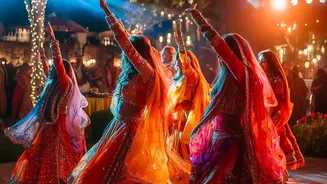
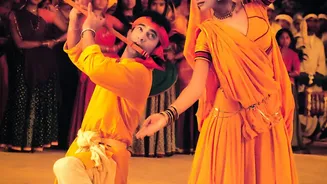
Sharad Navratri, the most significant of the year's four Navratris, begins on Sunday, October 11, and continues for nine nights. This festival honours the nine forms of Goddess Durga, with each day dedicated to a different incarnation. Devotees often observe fasts, and evenings come alive with traditional dances like Garba and Dandiya Raas, especially in Gujarat and Maharashtra. In other parts of the country, it's a period of spiritual reflection and temple visits. For travellers, this is a spectacular time to witness India's cultural diversity. If you're heading to Gujarat, book accommodations and travel well in advance, as cities like Ahmedabad and Vadodara draw huge crowds for their grand Garba nights.
Durga Puja: The Grand Carnival of the East
Running parallel to Navratri, Durga Puja holds a special place in the hearts of Bengalis and is celebrated with unmatched grandeur in West Bengal, Assam, and Tripura. While the Navratri period starts on October 11, the main Durga Puja festivities commence with Maha Shashthi on October 16. The celebrations reach their peak from Maha Saptami (October 17) to Maha Navami (October 19/20). Cities, most notably Kolkata, transform into open-air art galleries with elaborate thematic pandals (temporary structures) housing magnificent idols of Goddess Durga. The air is filled with the sounds of the dhak (a traditional drum) and the aroma of delicious bhog (food offered to the deity). The festival culminates with Vijayadashami, when the idols are immersed in water, on October 20 or 21 depending on regional calendars.
Dussehra (Vijayadashami): The Triumph of Good
Celebrated on Tuesday, October 20, Dussehra (also known as Vijayadashami) marks the culmination of the Navratri festival. The day symbolises the victory of good over evil. In North India, it commemorates Lord Rama's victory over the demon king Ravana. This is theatrically re-enacted in Ramlila performances, which conclude with the burning of massive effigies of Ravana, his brother Kumbhakarna, and his son Meghanada. In South India, the day is celebrated as Vijayadashami, a day for new beginnings in learning and the arts. For those planning travel, the Kullu Dussehra in Himachal Pradesh offers a unique week-long celebration that begins on this day and is famous for its grand processions.
Maharishi Valmiki Jayanti: Honouring the Poet Sage
On Monday, October 26, the birth anniversary of Maharishi Valmiki is observed. Revered as the 'Adi Kavi' or the first poet of Sanskrit literature, Valmiki is credited with writing the epic Ramayana. The day is celebrated with special significance by the Valmiki community. Processions, known as Shobha Yatras, are carried out, and prayer meetings and the reading of the Ramayana are organised. While it is a restricted holiday in many states, it's an important cultural and religious observance in several parts of North India.
Karwa Chauth: A Fast for Love and Longevity
A festival predominantly celebrated in North India, Karwa Chauth falls on Thursday, October 29. On this day, married women observe a strict fast from sunrise to moonrise, praying for the well-being and long life of their husbands. The day is marked by social gatherings where women apply henna, dress in fine clothes, and perform pujas together in the evening. The fast is broken only after sighting the moon. Markets do brisk business in the days leading up to the festival, selling traditional items like earthen pots (karwas), henna, and festive attire. While not a public holiday, the festive atmosphere is palpable in regions where it is celebrated.