
A Spice with a Storied Past
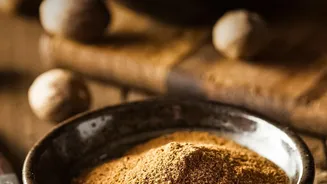
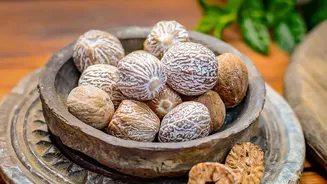
For centuries, nutmeg has been one of the world's most valuable spices. Native to the Banda Islands of Indonesia, also known as the Spice Islands, this aromatic seed was at the centre of global trade and conflict. European powers fought wars to control
its production, and at one point, it was worth more than its weight in gold. In India and across Asia, it became a cornerstone of traditional cuisine and medicine. Nutmeg's warm, sweet, and slightly pungent flavour made it a prized ingredient in everything from savoury meat dishes and biryanis to festive sweets and beverages. This rich culinary history is undeniable; its ability to transform a dish is a well-established fact passed down through generations of cooks.
The Science of Its Signature Flavour
What makes nutmeg so distinct? The answer lies in its essential oils. The seed of the Myristica fragrans tree contains a complex blend of aromatic compounds. The most prominent among these are sabinene, pinene, and terpineol, which contribute to its woody, warm, and peppery notes. When you grate fresh nutmeg, these volatile oils are released, creating the signature fragrance that enhances both sweet and savoury foods. This potent aroma and flavour are why a small amount can have such a significant impact on a recipe. Its role as a flavouring agent is a matter of straightforward chemistry, appreciated in kitchens worldwide for its reliability and unique character.
The Intriguing Brain Benefit Claims
Beyond its culinary uses, nutmeg has a long history in traditional medicine as a remedy for various ailments, including those related to the mind. Ancient practices in Ayurveda and other systems used it to combat stress, anxiety, and mental fatigue. In modern wellness circles, these claims have evolved, with some suggesting nutmeg can enhance memory, improve concentration, and even protect the brain from degenerative diseases. The compound often cited in these claims is myristicin, a substance found in nutmeg oil. Proponents believe this compound can stimulate the brain and slow cognitive decline, positioning nutmeg not just as a spice, but as a potential brain-boosting 'nootropic'.
What Does the Research Actually Say?
This is where the story gets complicated. While traditional use is extensive, modern scientific evidence for nutmeg's brain benefits in humans is very limited. Most of the research pointing to cognitive enhancement has been conducted on animals. For instance, some rodent studies have shown that nutmeg extracts might improve learning and memory, but these findings have not been replicated in robust human trials. The key compound, myristicin, does affect the central nervous system. It has a chemical structure with some similarities to other psychoactive compounds and is known to influence neurotransmitters like norepinephrine. However, the effects seen in a lab are not the same as a proven health benefit. The scientific consensus is that much more research, especially controlled human studies, is needed before any firm conclusions can be drawn about its cognitive-enhancing properties.
The Fine Line Between Spice and Toxin
Perhaps the most crucial part of this discussion is safety. The very compound linked to nutmeg's potential psychoactive effects, myristicin, is also a toxin in large doses. Consuming as little as two teaspoons (around 10 grams) can lead to myristicin intoxication, a deeply unpleasant experience with symptoms including dizziness, confusion, nausea, dry mouth, and a rapid heart rate. In higher amounts, it can cause more severe effects like hallucinations, agitation, and other symptoms requiring medical intervention. Fatalities are rare but have been reported, particularly when nutmeg is combined with other substances. Culinary use, which typically involves just a small pinch of the spice, is well below the toxic threshold and considered safe. However, the idea of using nutmeg in larger quantities for a 'health boost' is dangerous and strongly discouraged by medical professionals.