





The Evolution of 'Bleisure'
Remember when adding a weekend to a business trip felt like a clever travel hack? That was bleisure 1.0. Today, the concept has evolved into something far more integrated and intentional. The new bleisure isn't about tacking on a few days of fun; it's
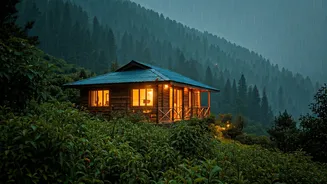
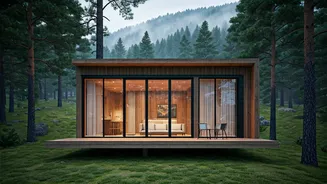
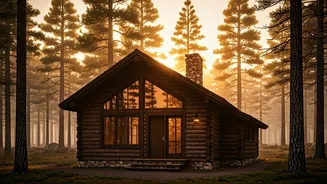
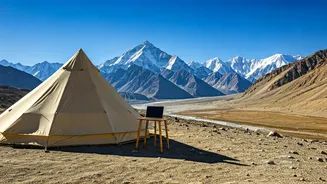
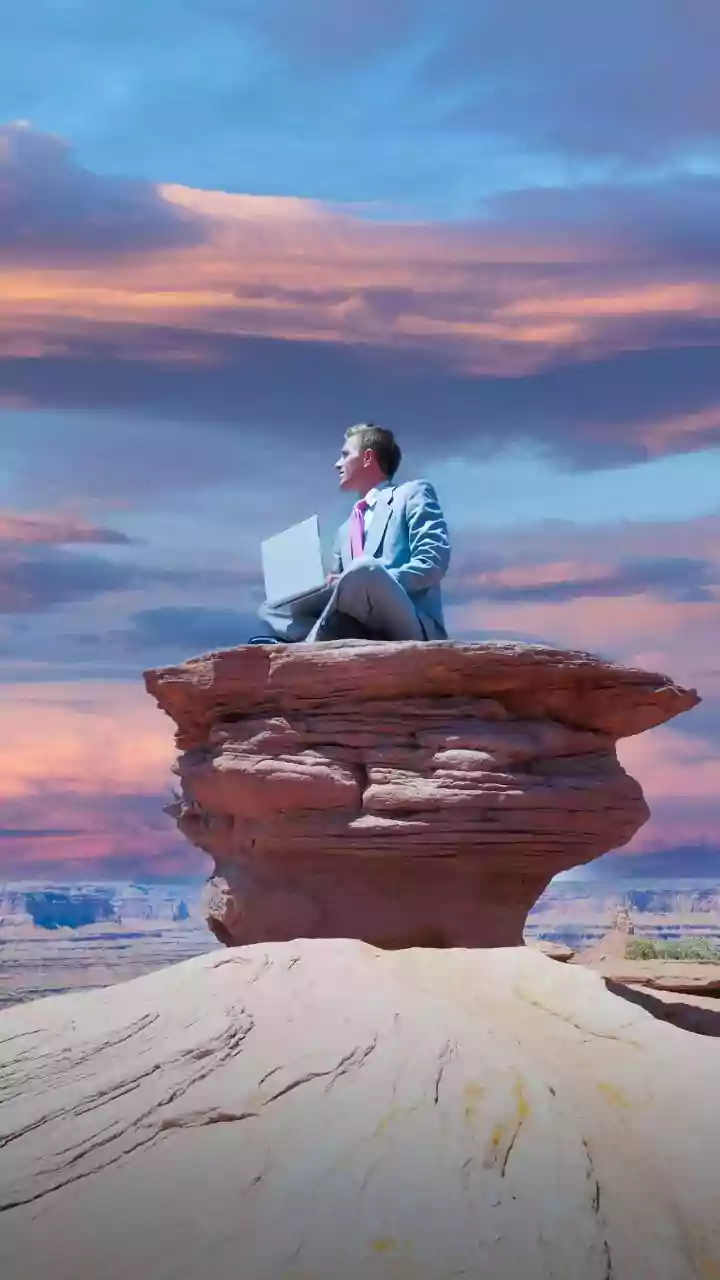
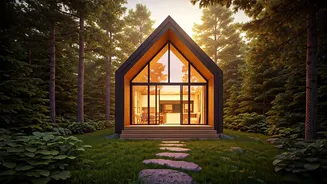
about embedding your entire work life into a new, often scenic, location for weeks or even months at a time. Fueled by the mass adoption of remote work, what was once a niche perk for executives has become a powerful force reshaping professional norms from the ground up. This shift is particularly pronounced among solo workers—not just freelancers and entrepreneurs, but also a significant cohort of full-time employees who happen to live alone or have the flexibility to travel independently. Without the constraints of a partner's job or a school calendar, these professionals are seizing the opportunity to trade their home office for a mountain cabin, a beach bungalow, or a bustling foreign city, all without taking a single day of PTO.
A Perfect Storm for the Work-Cation
This trend isn't happening in a vacuum. It’s the result of a perfect storm of technological, cultural, and economic factors. First, the technology: high-speed internet, collaborative software like Slack and Zoom, and cloud-based systems have made the physical office truly optional for millions of knowledge workers. The pandemic was the ultimate stress test for this infrastructure, and it passed. Second, there’s the 'Great Re-evaluation.' After years of hustle culture, Americans are prioritizing mental health, work-life balance, and personal fulfillment like never before. The ability to work from a location that inspires you—to take a hike at lunch or watch the sunset after logging off—is no longer seen as a luxury, but as a key component of a sustainable career. For many, the autonomy to control their environment is more valuable than a pay raise or a corner office. This has given employees unprecedented leverage in demanding flexible work arrangements.
The Solo Worker Advantage
While families also participate in bleisure, solo workers are uniquely positioned to maximize its benefits. They can be more nimble, making decisions to extend a stay or change locations on a whim. Their travel can be more immersive, allowing them to integrate into a local community rather than just observing it from a resort. This has given rise to a new ecosystem of services catering specifically to them, from co-living spaces with built-in communities to travel companies that organize curated 'work-from-anywhere' group trips. For these professionals, the benefits are clear. A change of scenery can break up the monotony of remote work, spark creativity, and combat the isolation that can come from working from home. It's a way to use their un-tied flexibility to enrich their lives, expand their horizons, and build a career that doesn't require sacrificing personal adventure.
Challenges in Paradise
Of course, it’s not all sunshine and perfect Wi-Fi. The bleisure lifestyle comes with its own set of challenges. The line between being 'on vacation' and 'at work' can blur to the point of disappearing, leading to a feeling of being 'always on' and risking burnout. Time zone differences can create logistical nightmares for team collaboration, and finding reliable, secure internet in a remote location is not always guaranteed. Companies are also grappling with how to manage this new reality. Tax implications, legal liabilities, and data security are all significant concerns when employees are working from different states or countries. Furthermore, managers worry about maintaining team cohesion and a strong company culture when their workforce is geographically scattered. Striking a balance between offering flexibility and ensuring productivity and connection remains one of the biggest challenges for modern leadership.