

The Science of a 'New' Toy
The reason your pet loses interest in the same old toys is a psychological phenomenon called habituation. When a pet is constantly exposed to the same object, it eventually fades into the background, losing its power to excite. Animals, much like people,
thrive on novelty. A new or different stimulus activates their curiosity and keeps their minds sharp. Toy rotation works by fighting habituation. When a toy is hidden away for a week or two and then reintroduced, it feels fresh and exciting all over again. This simple act of 'making old new again' provides vital mental stimulation, which is crucial for your pet's well-being.
Recognising the Signs of Boredom
Pets can't tell us when they're bored, but they show it through their behaviour. In dogs, this can manifest as destructive chewing on furniture, excessive barking or whining, digging, or constantly demanding attention. Cats might show their boredom by over-grooming, picking fights with other pets, scratching furniture, or becoming unusually withdrawn. These behaviours are often a cry for more mental engagement. Providing enriching activities can prevent these issues and lead to a calmer, happier pet.
How to Create a Simple Toy Rotation
Setting up a toy rotation is easier than it sounds and requires no special equipment. Start by gathering all of your pet's toys. Divide them into three or four groups. Place one group of toys out for your pet to enjoy and store the other groups in a cupboard or box, completely out of sight. Aim to have three to five toys available at a time, offering a variety of textures and functions—like something to chew, something to chase, and something to cuddle. Then, once a week, swap the current batch of toys for a 'new' set from your stored collection. This simple weekly ritual can transform playtime.
Choosing the Right Mix
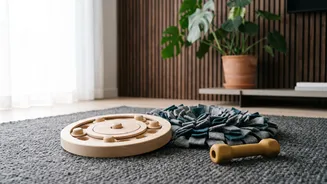
A successful rotation includes a variety of toy types to stimulate different instincts. For both cats and dogs, consider a mix that includes: interactive puzzle toys that challenge their problem-solving skills, comfort toys for snuggling, and active toys like balls or feather wands that encourage movement. Food-dispensing toys are particularly effective, as they tap into a pet's natural foraging instincts and can keep them occupied for longer periods. Don't feel pressured to constantly buy new things; you can even create DIY enrichment toys from household items like cardboard boxes or old towels. The key is variety, not quantity.
Important Considerations for Success
While most toys should be part of the rotation, it's wise to leave out one or two special comfort items that your pet is particularly attached to. Some animals rely on a favourite stuffed animal for security, and removing it could cause anxiety. Also, observe your pet's preferences. If they consistently ignore a certain type of toy, it might be time to donate it and focus on the kinds of play they genuinely enjoy. The goal is to make their environment more engaging and reduce stress, so pay attention to their reactions and adjust your system accordingly. Finally, ensure all toys are safe, with no loose parts that could be swallowed.