




The Summer Harvest (March - June)
As temperatures rise, the body craves light, hydrating foods. Summer markets across India are filled with produce that helps you stay cool and refreshed. Traditional wisdom suggests this is the time for simpler, less oily preparations. Look for gourds
like lauki (bottle gourd), tori (ridge gourd), and parwal (pointed gourd), which are abundant and perfect for light, water-based curries that are easy on the stomach. The undisputed king of this season is the mango, available in hundreds of varieties, while hydrating watermelons and muskmelons also peak. Other staples include bhindi (okra), cucumbers, and pumpkin. For Curries: Think light and quick. A simple lauki chana dal curry is a North Indian staple, combining bottle gourd with lentils in a thin, fragrant gravy. In the south, a cooling cucumber-based curry known as 'sambar' or a simple 'pachadi' can be a meal's highlight. Bhindi, or okra, is perfect for a quick ‘sabzi’ – a dry curry preparation where the vegetable is the star. For Stir-Fries: Summer vegetables are ideal for quick cooking. A simple stir-fry of finely chopped pointed gourd (parwal) with potatoes and minimal spices is a classic comfort food. Bhindi stir-fried with onions and a dash of turmeric until crisp is another favourite across the country. These quick-cooking methods preserve the vegetables' nutrients and don't heat up the kitchen.
The Monsoon Bounty (July - September)
The monsoon brings relief from the scorching heat and a unique array of produce. This is the season when the digestive system is considered weaker, so traditional cooking favours warm, freshly cooked meals with digestive spices like ginger, turmeric, and black pepper. The markets are flush with fresh corn, a variety of leafy greens, and gourds like bitter gourd (karela) and snake gourd. It’s also the season for unique regional delicacies like wild mushrooms and bamboo shoots in certain areas. Fruits like jamun, plums, and peaches make their brief but welcome appearance. For Curries: The monsoon calls for comforting, warm curries. In Chhattisgarh, 'aamat', a soup-like curry made with bamboo shoots, is a traditional dish. In Bengal, colocasia stems are used to make 'kochu shak', a flavourful preparation. A simple curry made from sweet corn kernels is popular, as is a tangy and spicy bitter gourd curry, which is believed to have detoxifying properties. For Stir-Fries: A South Indian 'poriyal' or 'thoran' is an excellent way to prepare monsoon vegetables. This involves steaming and then stir-frying vegetables like cabbage or green beans with mustard seeds, lentils, and fresh coconut. In Mangalore, the wild leafy green 'taikulo' is prepared as a stir-fry. A simple stir-fry of corn with spices is a quick and satisfying dish loved by all ages.
The Winter Collection (October - February)
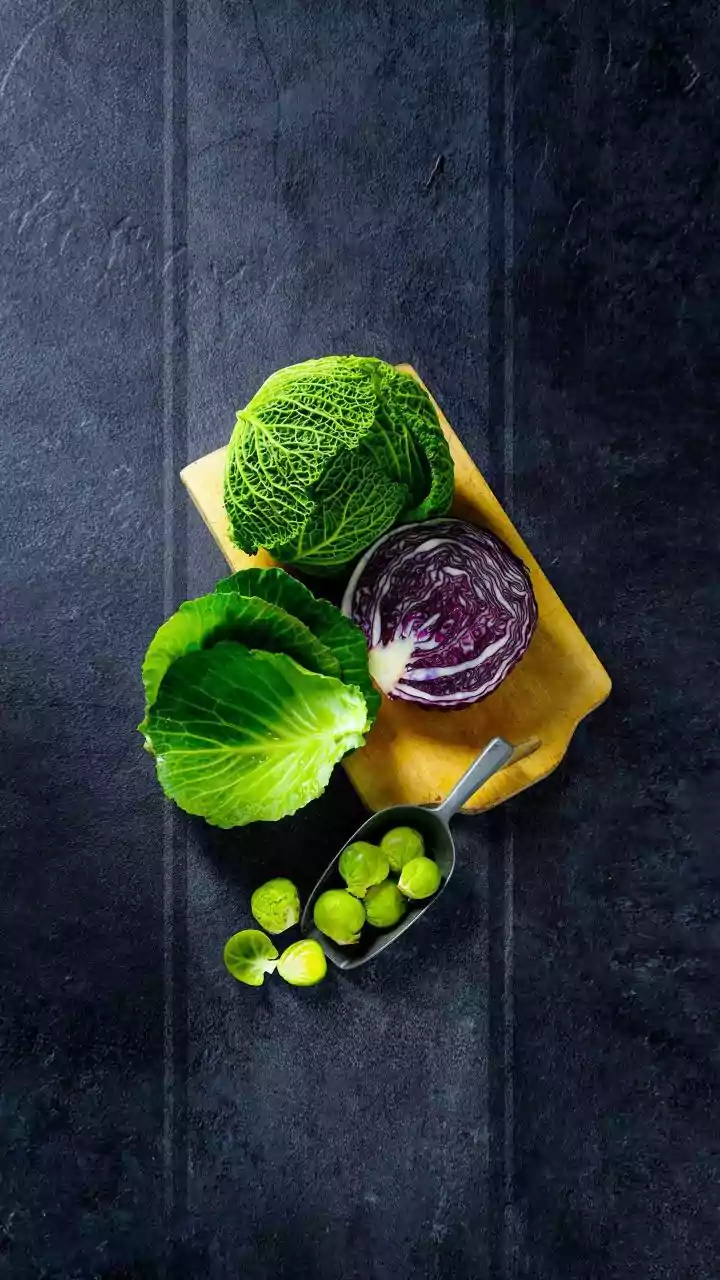
Winter is the season for hearty, warming foods. The cooler weather allows for the growth of a wide variety of vegetables, and Indian markets are at their most vibrant. This is the time for leafy greens like spinach (palak), fenugreek (methi), and mustard greens (sarson), which are staples in North Indian cuisine. Root vegetables like carrots, radishes, turnips, and beets are at their sweetest and most flavourful. Cruciferous vegetables like cauliflower and cabbage are also at their peak. Winter fruits include citrus like oranges and sweet limes, as well as guavas and pomegranates. For Curries: Winter is the season for rich, complex curries. The most iconic is arguably 'sarson ka saag', a slow-cooked dish of mustard greens typically enjoyed with corn flatbread (makki ki roti). 'Undhiyu', a mixed vegetable casserole from Gujarat, is another winter speciality made with winter beans, root vegetables, and methi dumplings. Hearty curries made with cauliflower and peas (gobhi matar) or spinach and paneer (palak paneer) are cooked in homes across the country. For Stir-Fries: A simple stir-fry of carrots and peas with cumin and ginger is a quick, nutritious side dish. Radishes (mooli) are often stir-fried with their own greens for a sharp, flavourful sabzi. Even fenugreek leaves can be quickly stir-fried with potatoes (aloo methi) for a classic dish that balances the slight bitterness of the greens with the mildness of the potatoes.