



The Persistent Problem of Onboard Cleanliness
For decades, maintaining cleanliness on long-distance trains has been a significant operational challenge. The system traditionally relied on manual checks, paper-based logs, and cleaning schedules at designated stations. This often led to inconsistent
service, with messes or issues like empty water tanks going unaddressed for hours. Passengers had limited avenues for immediate recourse, lodging complaints that were often slow to be resolved. This reactive approach meant that by the time a problem was fixed, the travel experience for many had already been compromised. The lack of real-time monitoring made it difficult for railway management to ensure accountability and consistently high standards across its vast network.
A Digital Overhaul for Housekeeping
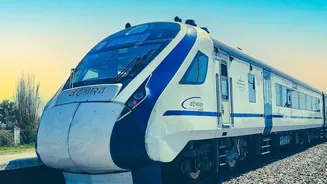
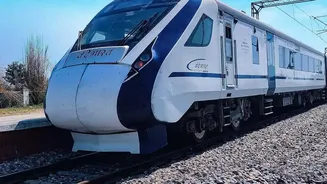
In a major shift, Indian Railways' Northeast Frontier Railway (NFR) has introduced a technology-powered initiative to overhaul its onboard housekeeping services (OBHS). This new system moves away from paper and guesswork, creating a digitally monitored environment. Launched in mid-October 2026 on five key services, including two Vande Bharat Express trains, the system uses a suite of digital tools to track staff, verify tasks, and gather instant passenger feedback. The goal is to create a closed-loop system where issues are reported, assigned, resolved, and verified through a transparent digital platform, improving accountability and efficiency.
How the New System Works
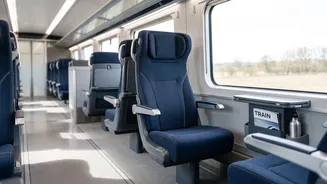
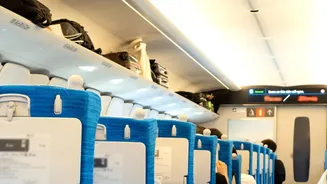
The initiative integrates several technologies to function seamlessly. For passengers, this can involve scanning QR codes within the coach to directly report an issue or provide a star rating on the state of cleanliness. This feedback is instantly logged. Behind the scenes, dedicated onboard teams are equipped with mobile devices. When a passenger raises a complaint, an alert is sent to the team, who can then address the problem promptly. The system includes geo-tagged service verification and staff tracking, allowing a central 'war room' to monitor the entire process. This includes ensuring the timely distribution of linen, upkeep of washrooms, and efficient waste management. AI-based assessments may even be used to analyse photos of cleaned areas to ensure standards are met.
Faster Resolutions and Better Journeys
The most significant benefit for travellers is the promise of speed. The NFR has set a target of resolving all passenger complaints within two hours. If an issue cannot be fixed by the onboard team within that timeframe, it is automatically escalated to higher railway authorities for intervention. This structured approach ensures that problems are not just logged but actively managed until closure. For railway operators, the system provides a wealth of data. They can now identify recurring issues in specific coaches, monitor the performance of service providers, and adjust cleaning schedules based on real-time demand and passenger traffic, rather than static timetables.
The Future of Smart Travel
This initiative is part of a broader trend of digitization aimed at modernising the Indian Railways and enhancing the passenger experience. Similar technologies are already being used in airports and other transport sectors to improve facility management and customer satisfaction. By leveraging AI, real-time data, and direct feedback loops, transport providers can become more responsive and proactive. While technology cannot entirely replace the human element of housekeeping, it empowers staff to work more effectively. This data-driven approach not only leads to cleaner trains but also fosters a sense of accountability and makes the entire travel experience more pleasant and predictable for millions of passengers.