
What is the SHAPE Payload?
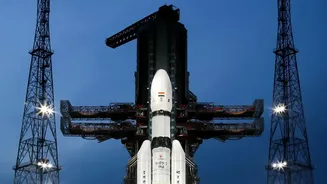
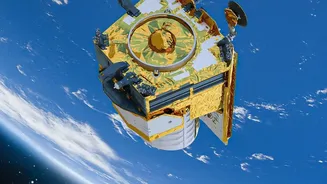
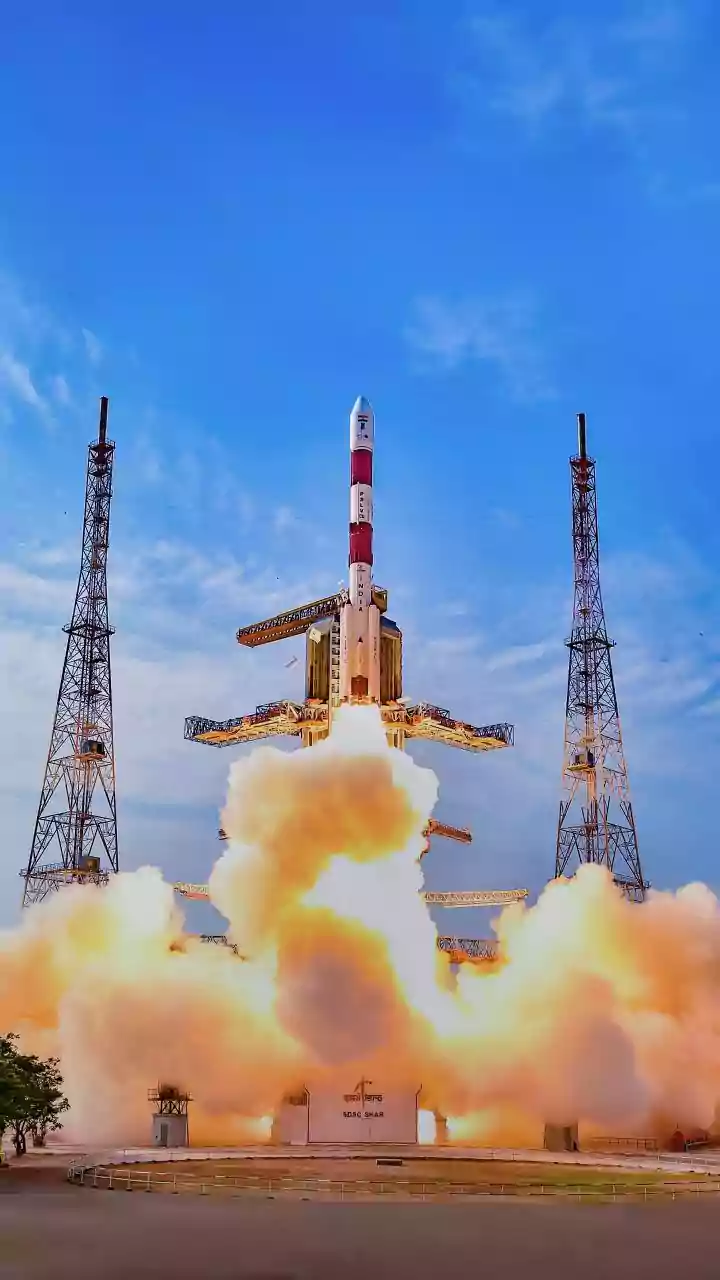
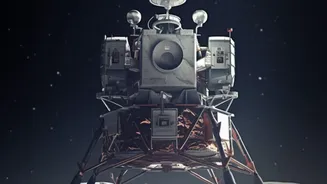
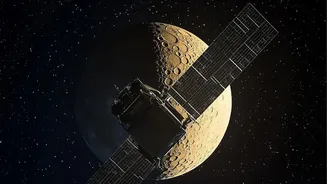
Onboard the Chandrayaan-3 mission’s Propulsion Module, which carried the lander and rover to lunar orbit, was a unique scientific instrument with a big ambition. Its name is SHAPE, which stands for Spectro-polarimetry of HAbitable Planet Earth. As the only
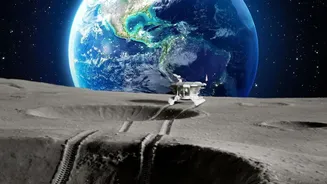
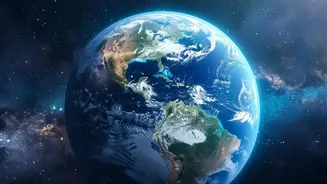
payload on the Propulsion Module, its primary task was quite novel. Unlike the other instruments destined to study the Moon, SHAPE's job was to turn its gaze away from our celestial neighbour and focus on the bright blue marble it had just left behind: our own planet. Conceived and developed at ISRO's U. R. Rao Satellite Centre, SHAPE is a lightweight and compact instrument designed to be an experimental testbed. Its inclusion was a value-added component of the mission, showcasing ISRO's knack for maximising scientific returns from every launch.
A Clever Twist in the Mission
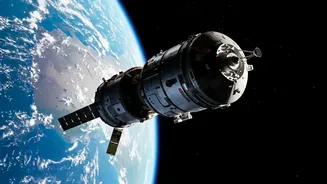
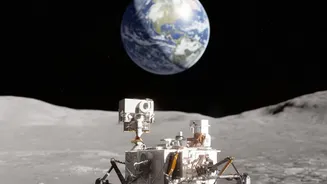
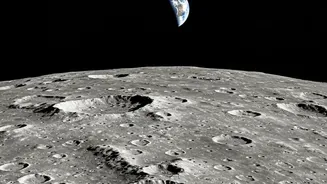
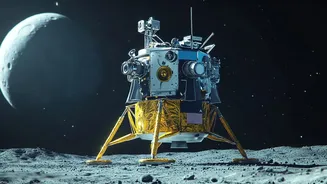
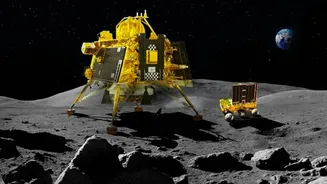
The main purpose of the Propulsion Module was to act as a ferry, transporting the Vikram lander and Pragyan rover from Earth's orbit to a 100 km circular orbit around the Moon. After releasing the lander for its historic descent on August 23, 2023, the module's primary job was done. However, with plenty of fuel remaining, ISRO mission planners saw an opportunity. Instead of letting the module simply orbit the Moon, they used it as a long-distance observatory. For months following the landing, the SHAPE instrument studied Earth from its unique vantage point in lunar orbit. This long-range observation allowed scientists to gather data on how a life-bearing planet appears from afar, a crucial dress rehearsal for future explorations.
What Did SHAPE Actually 'See'?
SHAPE doesn't take pictures like a regular camera. Instead, it performs spectro-polarimetry. In simple terms, it analyses the light reflected from Earth in the near-infrared spectrum (a range of light invisible to the human eye). This light carries a 'signature'. The spectrum part reveals information about the gases in our atmosphere, like water vapour and carbon dioxide, while the polarisation part helps characterise clouds. By measuring how the light is scattered and polarised, SHAPE can build a detailed profile of Earth as a complete, disc-integrated object. This is key, because when we look at distant planets outside our solar system (exoplanets), they are just single points of light. We can't see their continents or oceans directly. SHAPE is designed to capture Earth's 'signature' as if it were a distant exoplanet.
A Blueprint for Finding Other Earths
The ultimate goal of the SHAPE experiment is to help in the search for habitable exoplanets. By meticulously studying Earth's known habitability signatures—its atmospheric composition, cloud cover, and surface features as a whole—scientists can create a definitive benchmark. This data serves as a template. When future, more powerful telescopes are pointed at rocky exoplanets orbiting distant stars, astronomers will know what to look for. They can compare the light signatures from those alien worlds to the reference data collected by SHAPE. If the signature matches, it could be a strong indicator that the distant planet might have an atmosphere, clouds, and maybe even oceans—the very ingredients that make Earth a habitable world.
India's Contribution to a Global Quest
The SHAPE experiment is a powerful example of India's innovative and cost-effective approach to space science. By adding an experimental payload to an existing mission, ISRO created a unique opportunity to contribute to the global quest for extraterrestrial life without launching a dedicated, expensive observatory. The data gathered by SHAPE will not only guide future Indian missions, like a potential Lunar Sample Return mission, but will also be invaluable to the international scientific community. It provides a crucial piece of the puzzle, helping astronomers refine their techniques and technologies for one of the most profound searches in human history. The experiment validates that even from millions of kilometres away, the unique characteristics of a life-sustaining planet can be detected, giving us a clearer roadmap for where to look next.