








The Psychology of Frictionless Spending
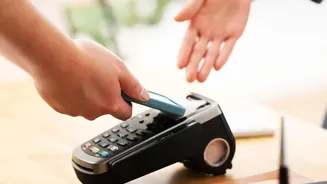
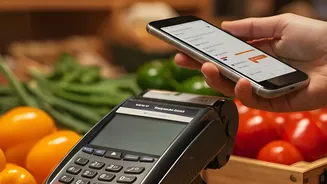
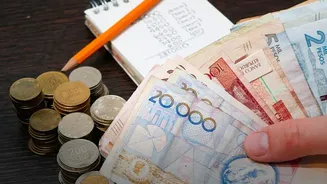
When you hand over cash, you feel the tangible loss of money. Your wallet gets lighter, and your brain registers the transaction with a small psychological sting known as the 'pain of paying'. Digital payments, especially the seamless tap-and-pay nature
of UPI, almost completely remove this friction. The transaction is abstract—just numbers on a screen. This emotional detachment makes it easier to spend without feeling the financial impact, leading to more frequent and less considered purchases. Studies have shown this ease of payment can weaken financial self-regulation and increase impulsive spending. It doesn't feel like you're spending real money, even though you are.
Death by a Thousand Small Taps
A single transaction of ₹50 for a coffee or ₹100 for a quick snack feels insignificant. It's easy to dismiss these as minor expenses not worth tracking. However, these small, frequent payments add up significantly over a month. This phenomenon is often called 'financial leakage' or 'death by a thousand cuts,' where your budget is slowly drained by dozens of transactions that fly under the radar. Because the amounts are small and scattered across various merchants, it becomes difficult to see the cumulative damage until you check your bank statement at the end of the month and wonder where all the money went.
Make Your Spending Visible Again
The first step to regaining control is to bring visibility back to your spending. Make it a habit to review your UPI transaction history regularly—either daily or weekly. Many UPI apps have built-in features that categorise your spending, giving you a clear picture of where your money is going. For more detailed analysis, you can use dedicated expense tracker apps that automatically pull data from your transaction notifications, sorting them into categories like food, transport, and entertainment. The goal is to turn the 'invisible' digital outflow into a concrete, reviewable list.
Create a Dedicated 'Small Spends' Budget
Instead of trying to eliminate small UPI payments altogether, which can be unrealistic, a more effective strategy is to budget for them. Create a specific category in your monthly budget for miscellaneous or 'small' expenses and allocate a fixed amount to it. You could transfer this amount to a separate bank account linked to your UPI or simply track it mentally or in an app. Once you hit that limit for the month, you know you need to stop. This approach contains the spending without forcing you to give up the convenience you rely on.
Reintroduce Healthy Financial Friction
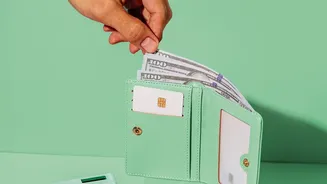
Since the core problem is the lack of friction, intentionally adding some back into your routine can promote more mindful spending. For example, you could decide to use cash for all purchases under a certain amount, like ₹100. This forces you to experience the physical act of paying for small items. Another strategy is to set daily or weekly transaction limits within your UPI app, a feature many platforms now offer. These small hurdles create a moment of pause, giving you a chance to reconsider an impulse purchase and ensuring that every spend is a conscious decision.