







Start at the Top: The Roof
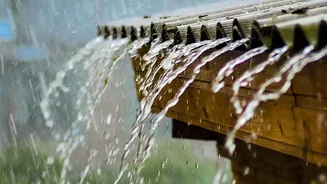
Your roof is the first and most important line of defence against heavy rainfall. Even small issues can lead to significant water damage inside your home. Before the rains begin, conduct a thorough inspection of your roof or hire a professional to do
so. Look for loose, missing, or cracked tiles and shingles. Pay close attention to signs of water seepage like dark patches or mould on your ceiling, as these indicate existing leaks that will only worsen. It's also critical to check the flashing—the metal strips around chimneys, vents, and skylights—to ensure it’s properly sealed. For flat terraces, which are common in Indian construction, applying a fresh coat of waterproof sealant can prevent water from pooling and seeping into the slab below.
Clear Drains and Gutters
Clogged drains and gutters are a primary cause of monsoon-related water damage. When rainwater cannot flow away from your house, it overflows and pools around the foundation, or worse, seeps back into your walls. Before the first downpour, make sure to clear all gutters, downspouts, and outdoor drains of leaves, debris, and dirt. Ensure downspouts are positioned to direct water at least four feet away from your home's foundation to prevent waterlogging and potential structural issues. This simple step is crucial for preventing water from accumulating on your terrace or in your balconies, which is a common entry point for leaks.
Seal Exterior Walls, Windows, and Doors
Your home's exterior walls bear the brunt of lashing rain and humidity. Over time, hairline cracks can develop, providing a perfect pathway for moisture to enter. Inspect your exterior walls for any cracks and fill them with a waterproof filler or mortar. Applying a quality coat of weatherproof or waterproof paint provides an essential protective barrier against dampness and seepage. Don't forget your windows and doors. Wind-driven rain can force water through the smallest gaps. Check for worn-out weatherstripping and caulk any gaps around frames to create a watertight seal. Wooden doors and windows have a tendency to swell in the humidity, making them difficult to close, so have them fixed or sealed beforehand.
Prioritise Electrical Safety
Water and electricity are a dangerous combination, and the risk of short circuits, shocks, and electrical fires increases dramatically during the monsoon. High humidity and damp walls can compromise your home's wiring. It is essential to have a licensed electrician inspect your home’s electrical system. Pay special attention to any wiring that runs on exterior walls or is exposed outdoors. Ensure all outdoor sockets and switches are covered with weatherproof boxes. If you have a history of leaks near switchboards, get the leak fixed immediately, as water can travel through concealed electrical conduits. Installing an Earth Leakage Circuit Breaker (ELCB) is a highly recommended upgrade that can automatically cut power in case of a fault, preventing life-threatening accidents.
Manage Your Surroundings
The area immediately around your home can also pose a threat during a storm. Strong winds can snap overgrown tree branches, causing them to fall on your roof, windows, or power lines. Before the monsoon, trim any trees and large shrubs that are close to your house, especially those with branches hanging over the roof. If you have a garden or balcony, secure any loose items like outdoor furniture, planters, and decorations. These can become dangerous projectiles in high winds. Also, ensure your property has proper yard drainage to prevent water from pooling near your foundation, turning off irrigation systems during storms to avoid excess flooding.