



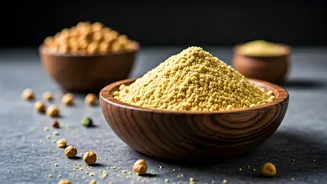


The Not-So-Secret Ingredient
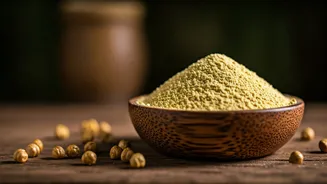
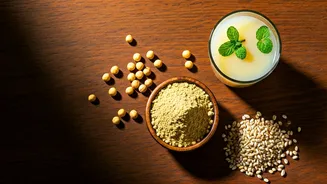
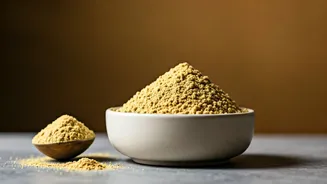
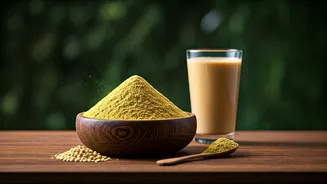
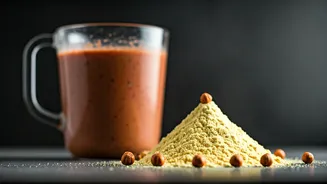
This 'secret blend' is something many of us in India grew up with: sattu. Made from roasted Bengal gram (kala chana), sattu is a flour that has been a cornerstone of diets in regions like Bihar, Jharkhand, and Uttar Pradesh for centuries. Traditionally
consumed as a cooling drink or in porridge, its high protein content and digestibility made it the perfect fuel for labourers and farmers. Today, the same properties that sustained generations are being rediscovered by the fitness community. Unlike raw besan (gram flour), which needs to be cooked, sattu is made from roasted chickpeas, meaning it’s ready to be consumed as is. This makes it an incredibly convenient, no-cook addition to any drink.
A Nutritional Powerhouse
Don't let its humble origins fool you; sattu is a nutritional giant. A 100-gram serving packs approximately 20-25 grams of high-quality plant-based protein, making it comparable to many commercial protein powders. But its benefits don't stop there. It's also incredibly rich in dietary fibre, which aids digestion, promotes a feeling of fullness, and helps regulate blood sugar levels. This is a significant advantage over many whey proteins, which can sometimes cause bloating or digestive discomfort. Furthermore, sattu is loaded with essential micronutrients like iron, magnesium, and manganese, which are vital for energy production, muscle function, and overall health. It’s a complete package of macros and micros in one simple ingredient.
The Smart, Affordable Swap
Let’s talk about the price. A premium tub of whey or imported plant-based protein can easily cost anywhere from ₹2,000 to ₹5,000. In contrast, a kilogram of good quality sattu can be purchased for a fraction of that cost, often under ₹200. For anyone on a budget, this makes a massive difference. You’re getting a clean, single-ingredient protein source without the additives, artificial sweeteners, and preservatives often found in commercial blends. Sattu is naturally low-glycemic, gluten-free, and cooling for the body, making it an excellent choice for summer workouts. By switching to sattu, you’re not just saving money; you’re opting for a more natural, whole-food approach to supplementation.
Crafting the Perfect Sattu Shake
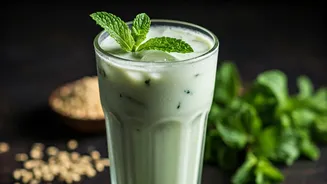
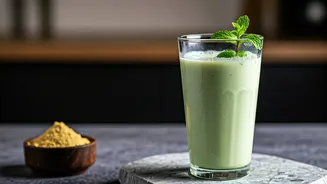
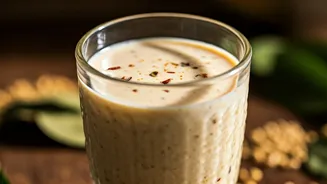
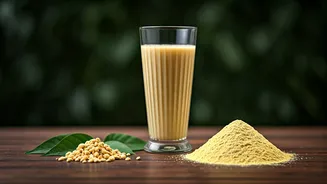
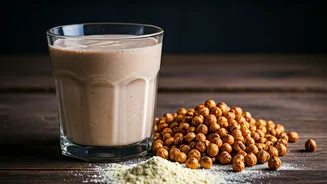
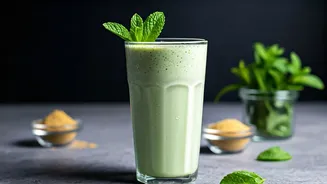
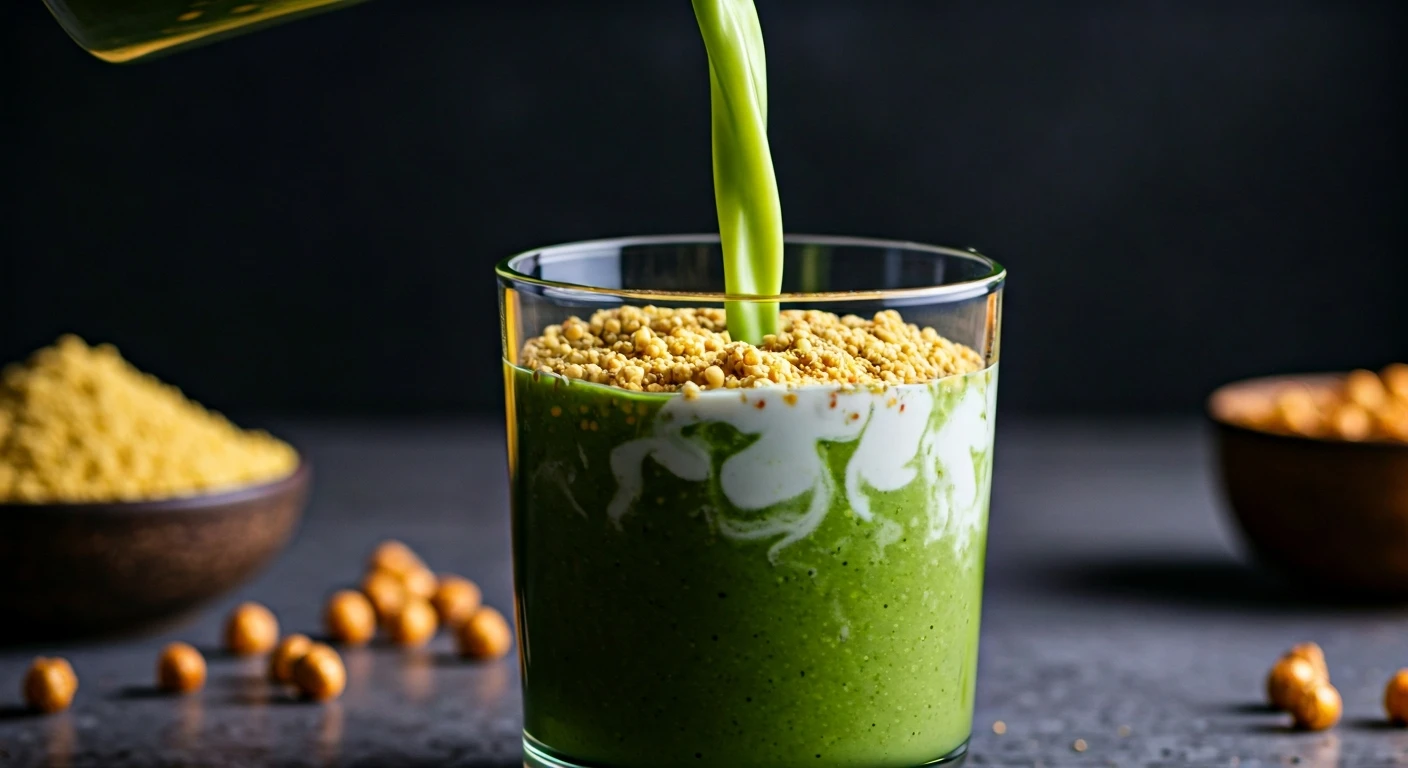
Making a sattu protein shake is incredibly simple. The key is to blend it well to avoid a gritty texture. Here’s a basic recipe to get you started: 1. **Base:** Start with 2-3 tablespoons of sattu flour. 2. **Liquid:** Add 250-300 ml of cold water, milk, or a plant-based milk like almond or oat milk. 3. **Sweetener (Optional):** A teaspoon of jaggery, honey, or a few dates will add natural sweetness. 4. **Flavour:** A pinch of black salt (kala namak) and a squeeze of lemon juice create the classic savoury sattu drink. For a sweet shake, try adding a banana, a scoop of peanut butter, or a dash of cinnamon or cardamom powder. **Pro-Tip:** To ensure a smooth, clump-free consistency, first mix the sattu with a small amount of liquid to form a paste before adding the rest of your liquid and other ingredients. Using a blender is the easiest way to get a perfectly creamy shake.
Beyond the Post-Workout Shake
While sattu shines in protein shakes, its versatility extends far beyond the blender. You can incorporate it into your diet in numerous ways. Mix it with chopped onions, green chillies, and spices to make a filling for parathas. Roll it into energy balls (laddoos) with jaggery and ghee for a quick, healthy snack. You can even add a spoonful to your regular chapati dough or oatmeal to subtly boost their protein and fibre content. This flexibility makes it an easy and sustainable addition to any healthy eating plan, ensuring you get the protein you need without getting bored.