





The Zero-Waste Gardener’s Secret
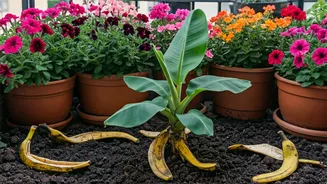
Before you toss those banana peels, orange rinds, and papaya skins, pause for a moment. These kitchen scraps are packed with valuable nutrients that your plants crave. By creating a 'fruit peel soak'—essentially a tea made from leftover peels—you can
craft a free, organic, and gentle liquid fertiliser. This practice, rooted in thrift and sustainability, is perfect for the urban gardener. It reduces kitchen waste while providing your balcony plants with a mild but meaningful boost of potassium, phosphorus, calcium, and other essential micronutrients that encourage strong roots, vibrant blooms, and healthy foliage.
How to Brew Your Liquid Gold
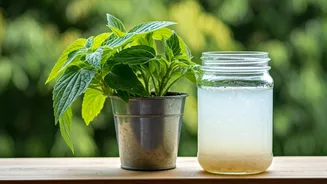
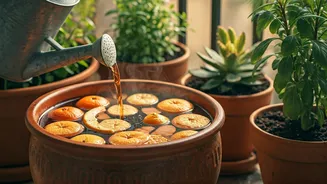
Making your own fruit peel infusion is incredibly simple. You don't need any special equipment, just a large jar with a lid and a little patience. 1. **Collect Your Peels:** Start saving peels from fruits like bananas, oranges, mosambi, papaya, and apples. Avoid any mouldy or rotten parts. Chop them into smaller pieces to increase the surface area for faster nutrient release. 2. **Soak and Wait:** Place a handful of mixed peels into a large glass jar. Fill the jar with water, ensuring the peels are fully submerged. Screw the lid on tightly and place it in a cool, dark corner. 3. **Let It Infuse:** Allow the mixture to ferment for about 3 to 5 days. You may notice some bubbles, which is a normal part of the fermentation process. If it starts to smell overly foul, you may have let it sit too long or used contaminated peels. 4. **Strain and Dilute:** After a few days, the water will have turned a pale yellow or brownish colour and absorbed the nutrients. Strain the liquid to remove the solid peels (which can now be added to your compost). This concentrated liquid is potent, so you must dilute it. A good rule of thumb is to mix one part of the infusion with ten parts of plain water before using.
The A-Team of Fruit Peels
While most fruit peels offer some benefit, a few are true superstars for your garden. * **Banana Peels:** Famously rich in potassium, a crucial nutrient for flowering and fruiting plants. It helps strengthen stems and improves disease resistance. * **Citrus Peels (Orange, Lemon, Mosambi):** These provide nitrogen and can help make the soil slightly more acidic, which plants like bougainvillea and hibiscus appreciate. They also act as a natural pest deterrent, with their strong scent warding off insects like aphids. * **Papaya Peels:** A good source of vitamins and enzymes that enrich the soil. They break down quickly, releasing their nutrients efficiently. * **Pomegranate Rinds:** Loaded with antioxidants and minerals, they contribute to the overall health of the soil when broken down.
Best Balcony Plant Pairings to Feed
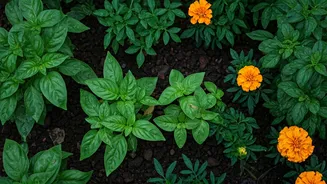
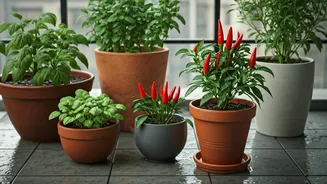
This gentle fertiliser works wonders on a variety of plants commonly found in Indian balcony gardens. Here are some combinations that will flourish with a regular soak infusion. * **The Flowering Duo (Hibiscus & Bougainvillea):** Both these sun-lovers are heavy feeders and will reward you with constant blooms when given a potassium boost from a banana peel-heavy infusion. Plant them together for a riot of colour. * **The Fragrant Corner (Marigold & Tulsi):** Marigolds are natural pest repellents, protecting the sacred Tulsi plant. Both benefit from a balanced peel soak, which supports Tulsi’s leafy growth and Marigold’s bright flowers. * **The Edible Patch (Chilli & Curry Patta):** For those growing their own spices, this infusion is a game-changer. The nutrients support robust fruit development in chilli plants and lush, aromatic leaves on the curry patta (curry leaf plant). A pairing of these two keeps fresh flavours at your fingertips.
Tips for Success and What to Avoid
To get the best results and avoid any unintended problems, keep these points in mind. Always dilute the infusion; applying the concentrate directly can be too strong and may 'burn' the roots. Use the soak to water your plants once every 15 days as a supplement, not a replacement for good soil and regular watering. Don't let the mixture ferment for more than a week, as it can develop harmful bacteria and attract pests. Finally, never pour the liquid directly on leaves; always water the soil at the base of the plant to ensure the roots absorb the nutrients.