




The Sweet Spot of Travel
The shoulder season is the period between a destination's peak and off-peak seasons. Think of it as the weeks just before or after the main tourist rush, like the summer holidays or major festival periods. For many destinations in the Northern Hemisphere,
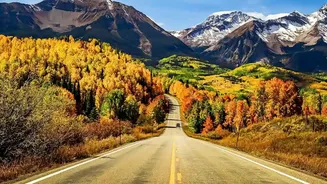
this often means spring (April-May) and autumn (September-October). However, the exact timing varies everywhere. For a ski resort, it might be the weeks just after the New Year's rush; for a beach town, it could be early autumn when the water is still warm but the summer crowds have gone home. It’s the time when a destination is fully operational but not overwhelmed, offering a sweet spot for savvy travellers.
The Economics of Emptier Spaces
The magic of the shoulder season comes down to simple supply and demand. During peak season, everyone wants to travel at the same time, driven by school holidays, ideal weather, or major events. Airlines, hotels, and tour operators can charge premium prices because demand is high. Once that peak passes, demand drops significantly. To fill empty seats and hotel rooms, companies lower their prices to attract the smaller pool of available travellers. This can lead to significant savings on flights, accommodation, and even tours, allowing your budget to stretch further.
More Than Just Lower Prices
The benefits of shoulder season travel extend far beyond your wallet. With fewer tourists, popular attractions become more accessible and enjoyable. Imagine exploring ancient ruins without jostling for a photo or strolling through a famous museum at your own pace. This less-crowded environment often leads to a more relaxed and authentic experience. Locals are often less overwhelmed by the tourist rush, providing more opportunities for genuine interactions. Furthermore, the weather is often more pleasant than during the peak season's extreme heat or cold, making it ideal for walking tours and outdoor activities.
How to Find Your Shoulder Season
Identifying the shoulder season for your dream destination requires a bit of research. Start by determining its peak season—this usually coincides with major school holidays, the best weather, or famous festivals. Then, identify the low season, which is often marked by undesirable weather like monsoons or extreme cold, when some attractions might even close. The shoulder season will be the windows right before and after that peak period. For example, for many parts of Europe, peak season is summer (June-August). The shoulder seasons are therefore late spring (April-May) and early autumn (September-October). For destinations in the Southern Hemisphere, like Australia or parts of South America, the seasons are reversed.
Shoulder Season Ideas for Indian Travellers
For those planning trips from India, this strategy can unlock incredible value. A European tour in September or October means pleasant weather and far smaller crowds in cities like Rome and Paris. Southeast Asian destinations can be fantastic just before the main winter tourist rush. Domestically, consider Goa during the monsoon (mid-June to October) for lush green landscapes and lower prices, a time many now consider the best Goa experience. Hill stations in Himachal Pradesh are quieter during the shoulder months, offering more peaceful treks. Similarly, Kerala in May, just before the monsoon, provides a serene experience with attractive rates for its famous Ayurvedic treatments. Even Rajasthan can be a viable option from July to September, when the monsoon offers a break from the intense summer heat and hotel rates are competitive.