




Mumbai: The Epicentre of Grandeur
Mumbai's celebration is an unparalleled spectacle of energy and scale. The city that never sleeps becomes even more restless with towering idols, elaborate pandals (temporary stages), and millions of devotees thronging the streets. The most famous of these
is Lalbaugcha Raja, known as the 'wish-fulfiller', which attracts queues that can last for hours. The celebrations here are not just a religious event but a cultural phenomenon, drawing everyone from Bollywood celebrities to the common man. The festival culminates in a massive visarjan (immersion) procession at Girgaon Chowpatty, where thousands of idols are bid a grand farewell into the Arabian Sea, a sight that is both chaotic and deeply emotional. The entire city reverberates with chants of 'Ganpati Bappa Morya', making it the definitive destination for anyone wanting to experience the festival's most explosive and public expression.
Pune: The Cradle of Tradition
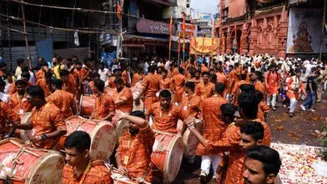
If Mumbai is about spectacle, Pune is about soul and tradition. As the city where Lokmanya Tilak transformed Ganesh Chaturthi into a public festival, its celebrations are steeped in history. Pune is famous for its 'Manache Ganpati', the five most revered idols led by the Kasba Ganpati, the city's presiding deity. Unlike Mumbai's often gigantic idols, Pune's focus is on upholding age-old rituals. The atmosphere is less about celebrity glamour and more about community participation, with melodious dhol-tasha (drum) troupes leading processions. Another major attraction is the Shrimant Dagdusheth Halwai Ganpati, a stunningly beautiful and heavily adorned idol that draws devotees from all over. For a traveller seeking a culturally rich and historically significant experience, Pune offers a more intimate and traditional Ganeshotsav.
Hyderabad: Home of the Gentle Giant
Hyderabad's claim to fame during Ganeshotsav is singular and massive: the Khairatabad Ganesh. For decades, this pandal has been home to one of India's tallest Ganesh idols, often soaring over 50 feet. For 2026, the committee has announced a 69-foot eco-friendly clay idol, themed 'Panchamukha Sankatahara Maha Ganapati', continuing its legacy of grandeur. The creation of this single idol is a months-long process involving scores of artisans. The 11-day festival attracts millions who come to witness the sheer scale and artistry of the 'Bada Ganesh'. The festival concludes with a lengthy immersion procession to Hussain Sagar Lake, a journey that can take over 24 hours and brings the entire city to a standstill. This is the place to be for those who want to witness devotion expressed through monumental artistry.
Bengaluru: A Celebration of Conscience
Bengaluru celebrates Ganeshotsav with a distinctly green conscience. The city has been a forerunner in promoting eco-friendly festivities, with a strong citizen-led movement against idols made from Plaster of Paris. Here, you will find a wonderful variety of idols made from natural clay, turmeric, and even paper pulp, designed for easy immersion at home. Civic bodies like the BBMP and KSPCB actively set up mobile tanks and designate specific lakes for immersion to protect the city's water bodies. The premier public celebration is the Bengaluru Ganesh Utsava held at Basavanagudi, an event with a history of over 60 years that combines religious rituals with a magnificent cultural festival featuring music and dance performances from renowned artists. It’s a festival experience that balances devotion with environmental responsibility.
Goa: An Intimate Coastal Affair
In Goa, Ganesh Chaturthi, known locally as 'Chavath', is less about public spectacle and more about family and homecoming. Goans working across the country and the world return to their ancestral homes for the festival, making it a time for reunion. The celebration is unique for its 'Matoli', a wooden canopy decorated with seasonal local fruits, flowers, and vegetables, hung above the Ganesh idol in homes. While there are public pandals, the heart of the festival is in Goan households, where traditions are personal and deeply cherished. Some villages also have unique traditions like the 'Sangod' festival in Cumbharjua, where decorated canoes parade on the river. It's a serene, community-driven celebration that offers a glimpse into the state's rich cultural fabric beyond its famous beaches.
Ganpatipule: A Spiritual Seaside Retreat
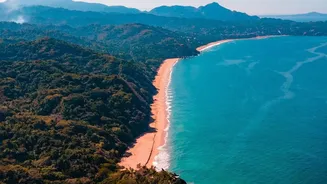
For a truly spiritual pilgrimage, Ganpatipule on the Konkan coast is an unmatched destination. The town is famous for its 400-year-old Swayambhu Ganpati Temple, where the idol is believed to have self-manifested from the earth. Located right on a pristine beach, the temple has a tranquil and powerful atmosphere. During Ganesh Chaturthi, the temple is the epicentre of activity, drawing thousands of pilgrims for special aartis and rituals. The celebration here is not about loud music or giant pandals but about quiet devotion and spiritual energy. The experience is one of piety combined with the serene beauty of the Konkan coastline, making it ideal for a traveller seeking peace and divine blessings away from the urban frenzy.
Chennai: A Southern Spectacle
While Maharashtra may be the festival's heartland, Chennai demonstrates how Ganeshotsav is celebrated with immense fervour in South India. The city embraces the festival with thousands of pandals sprouting up in different neighbourhoods, each with its own unique idol and decoration. The celebrations are a vibrant blend of traditional rituals and local culture. The festival culminates in a massive, coordinated immersion procession, with idols from across the city converging on beaches like Marina Beach and Elliot's Beach. This procession is a sight to behold, showcasing a staggering variety of Ganeshas making their final journey into the Bay of Bengal, accompanied by music, dancing, and devotional chants. It offers a distinctly southern take on the festival, full of colour and coastal energy.