
From Moon Landing to Career Planning
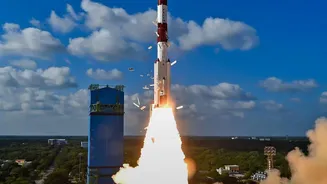
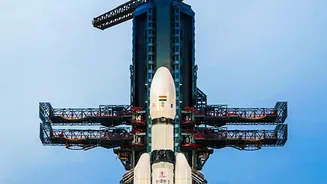
Not long ago, a career in space was a distant, almost abstract, dream for most Indian students, largely confined to the hallowed halls of the Indian Space Research Organisation (ISRO). But missions like Chandrayaan-3 changed the narrative overnight. The
Vikram lander’s successful touchdown was more than a scientific triumph; it was a powerful, televised demonstration of Indian ingenuity. Following the mission, ISRO saw a massive spike in job applications, and engineering aspirants began listing 'aerospace' as a top preference in numbers not seen for decades. This 'Chandrayaan effect' has made space tangible and, crucially, achievable in the minds of young people. It has transformed the idea of a space career from a niche government job into a mainstream, high-aspiration profession.
A New Space Ecosystem is Born
Inspiration alone doesn't create jobs, but a supportive policy environment does. The Indian government's decision to open the space sector to private enterprise in 2020 was a game-changer. The establishment of IN-SPACe (Indian National Space Promotion and Authorisation Centre) as a single-window agency has been pivotal, streamlining regulations and facilitating the entry of private companies. This has led to an explosion of over 400 private space startups. This burgeoning private ecosystem turns inspiration into viable employment. Projections show India's space economy growing from around $8.4 billion today to $44 billion by 2033. Venture capital funds are being set up specifically for the space sector, ensuring that these new companies have the financial backing to innovate and scale.
More Than Just Rocket Science
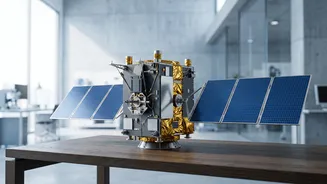
The modern space industry is far broader than the stereotype of rocket scientists and astronauts. The growth of private companies has diversified the roles available immensely. Today, the sector is aggressively hiring satellite data analysts, who interpret Earth observation data for agriculture, climate monitoring, and urban planning. There is a soaring demand for software engineers to work on mission control systems, aerospace software, and AI-powered space tools. Beyond core engineering, the ecosystem needs experts in space law, policy specialists, and business development professionals. This diversification makes a career in the space sector accessible to a much wider talent pool, including those with backgrounds in data science, law, and business.
Education Catches Up to Demand
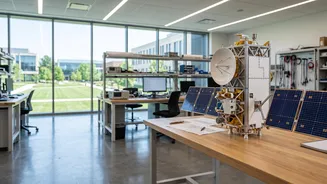
To fill these new roles, the education sector is rapidly adapting. Recognising the growing skills gap, premier institutions are launching specialised programmes. For instance, IIT Madras has introduced a BS in Aeronautics and Space Technology, offered online to make it accessible to a wider range of students, including working professionals. This course is specifically designed to address industry needs in sunrise sectors like unmanned aerial vehicles (UAVs) and space technologies. Universities across the country are incorporating space-related curricula and creating new centres of excellence, often in collaboration with ISRO and private industry. This ensures that the next generation of graduates enters the workforce with industry-relevant skills, ready to contribute to both public and private space endeavours.