




Pre-Trip Vehicle Health Check
Before you even think about playlists and snacks, a thorough vehicle inspection is non-negotiable. The monsoon season is harsh on cars, and a pre-trip check can prevent a breakdown in the middle of nowhere. Pay special attention to your tyres; they are
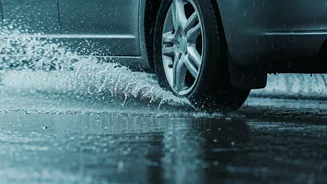
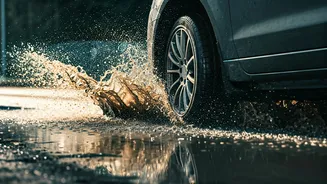
your only contact with slippery roads. [2] Ensure they have adequate tread depth to avoid aquaplaning, where a layer of water builds between the tyres and the road, leading to a loss of control. [7, 26] Check the tyre pressure, including the spare. [6] Next, inspect your brakes. Wet conditions increase stopping distances, so your braking system must be in top shape. [12] Listen for any squealing sounds and check the brake fluid. [2, 5] Finally, ensure your visibility systems are perfect. Replace worn-out wiper blades that leave streaks and top up the washer fluid. [2] Check all lights—headlights, tail lamps, brake lights, and indicators—as you'll need them in low-visibility conditions. [4, 5]
Pack a Monsoon-Specific Emergency Kit
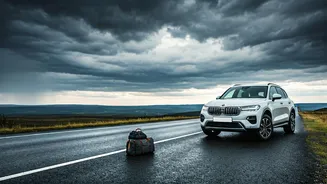
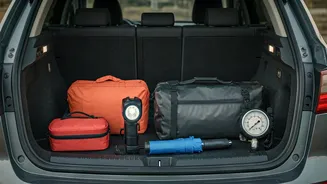
While a basic emergency kit is always a good idea, a monsoon road trip requires a few specific additions. Given the higher chances of getting stuck due to traffic jams or road blockages, it's wise to be prepared. Your kit should include a powerful flashlight with extra batteries, a well-stocked first-aid kit with basic medicines, and reflective warning triangles. [18, 20] Also pack a tow rope and jumper cables. [20] For personal comfort and safety during a potential long wait, include a raincoat or poncho, an umbrella, a towel, and extra non-perishable snacks and drinking water. [12, 20] A power bank for your mobile phone is crucial for staying connected, especially since you may need to check for weather updates or route changes. [12] Waterproof bags to protect your electronic gadgets are also highly recommended. [16]
On the Road: Navigating Water and Potholes
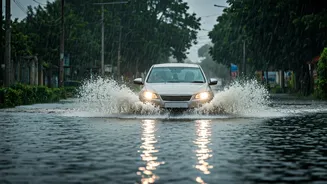
Indian roads during the monsoon are notorious for potholes and waterlogging. [10, 24] Driving through standing water is one of the biggest risks. It’s often deeper than it appears and can stall your engine or even sweep your vehicle away. [11, 15] As a rule, avoid driving through water that is more than 10cm (4 inches) deep. [15] If you must cross a waterlogged patch, drive slowly and steadily in a low gear to create a small bow wave and prevent water from splashing into the engine. [3, 14] Try to stay in the centre of the road, where the water is often shallowest. [3, 14] After crossing, gently tap your brakes to help dry them out. [3] Be extremely cautious of hidden potholes concealed by murky water. [8, 24]
Driving Safely in Low Visibility
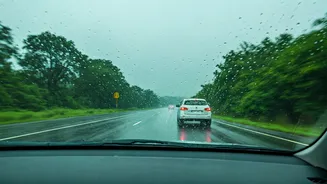
Heavy rain and fog can reduce visibility to almost zero in seconds. [8] The primary rule is to see and be seen. [10] Turn on your headlights, even during the day, to make your vehicle more visible to others. [11] However, avoid using high beams as they reflect off the rain and can worsen visibility for you and oncoming drivers. [11] The most important adjustment to make is to reduce your speed significantly and increase the distance between your car and the vehicle in front. [10, 11] Braking distances can be two to three times longer on wet roads. [6] If visibility becomes dangerously poor, the safest option is to pull over to a safe location, away from traffic, and wait for the conditions to improve. [17]
Special Care for Hilly Terrains
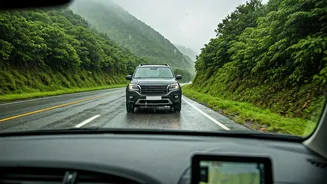
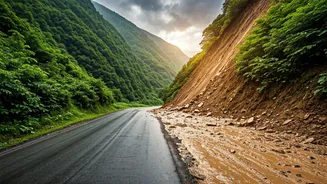
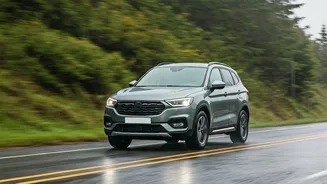
The beauty of the ghats and hills during monsoon is a huge draw, but these areas pose the highest risk. Landslides are a common and serious hazard, especially after heavy rainfall. [8, 17] Before starting a trip to a hilly region, always check local weather alerts and road conditions. [8] Stick to main highways and avoid taking unknown shortcuts, no matter what your navigation app suggests. [8] Drive slowly, especially on sharp curves and downhill sections, and use engine braking where possible to avoid overheating your brakes. [8] It is strongly advised to avoid driving in the mountains after dark, as visibility is poor and it's harder to spot potential dangers like rockfalls or damaged roads. [8] If locals advise that a road is unsafe, listen to them. [8]