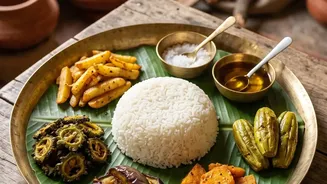




As temperatures drop, our craving for warm, comforting food grows. The good news is that winter's seasonal bounty offers a perfect way to enjoy hearty meals that are both delicious and incredibly nutritious, without any complicated cooking.
Embrace Hearty Root Vegetables
Winter is the
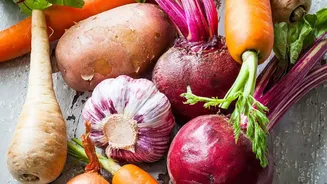
prime season for root vegetables like carrots, beets, sweet potatoes, and radishes. These vegetables are dense, grounding, and packed with nutrients that are perfect for the colder months. Carrots are rich in beta-carotene for eye health and immunity, while beetroots are excellent for blood flow. Sweet potatoes provide slow-releasing energy and fibre. The easiest way to enjoy them is by roasting. Simply chop them into chunks, toss with a little oil and your favourite spices like cumin or black pepper, and roast until tender and slightly caramelised. They can be a side dish, the base for a warm salad, or blended into a creamy soup.
Load Up on Winter Greens
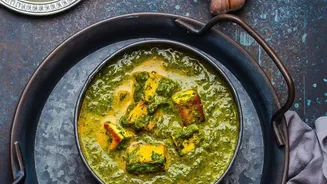
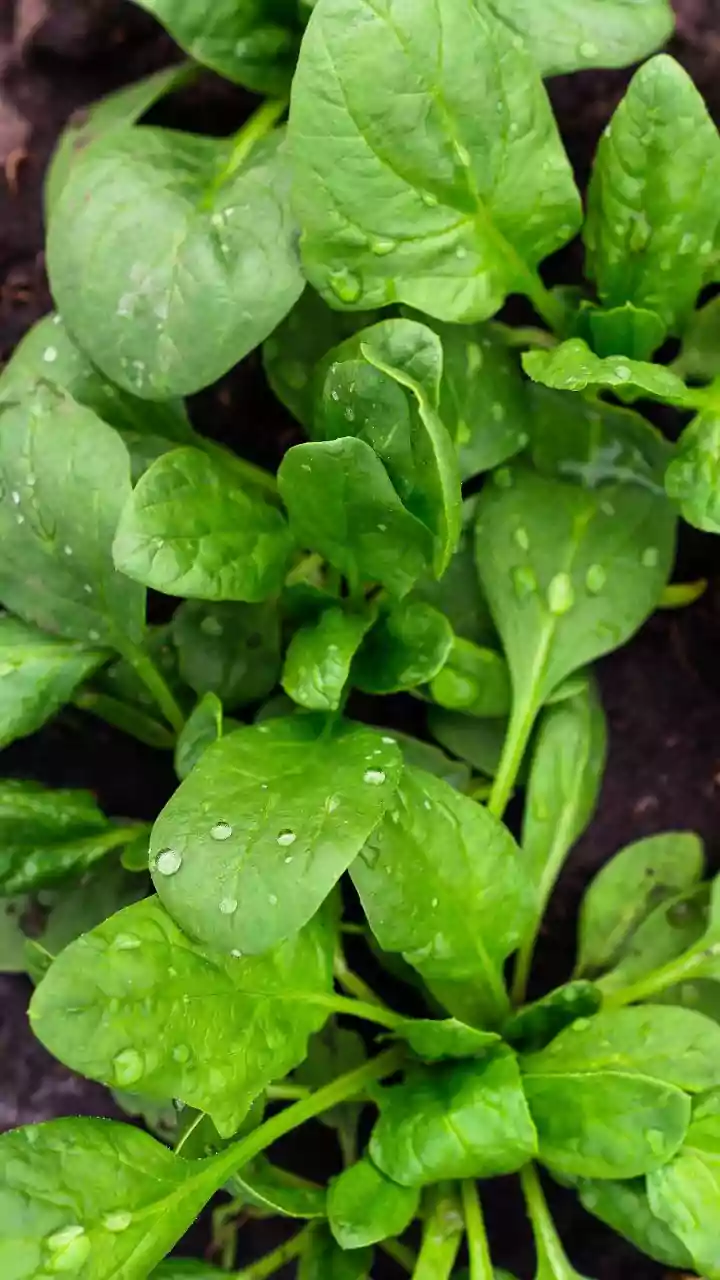
The winter markets in India are flooded with vibrant green leafy vegetables. Mustard greens (sarson), fenugreek leaves (methi), and spinach (palak) are at their nutritional peak. These greens are powerhouses of iron, vitamins A, C, and K, and essential minerals. They are fundamental to iconic winter dishes like Sarson da Saag, which provides warmth and strengthens bones. For a simpler approach, you can quickly stir-fry these greens with garlic and a pinch of salt for a quick and healthy side dish (sabzi). You can also blend them into dals or add them to dough for flavourful parathas.
Rely on Lentils and Legumes
Lentils (dals) and legumes like chickpeas and kidney beans are the backbone of a warming, protein-rich vegetarian diet. A simple bowl of Moong Dal Khichdi is the ultimate comfort food, easy to digest and deeply nourishing. Rajma Masala, a slow-cooked kidney bean curry, is another winter favourite that pairs perfectly with steamed rice. These one-pot meals are not only simple to prepare but are also incredibly filling and balanced. For a quick meal, a simple lentil soup (like masoor dal tadka) can be prepared in under 30 minutes, offering a perfect, warming dinner for a cold evening.
Incorporate Warming Grains and Millets
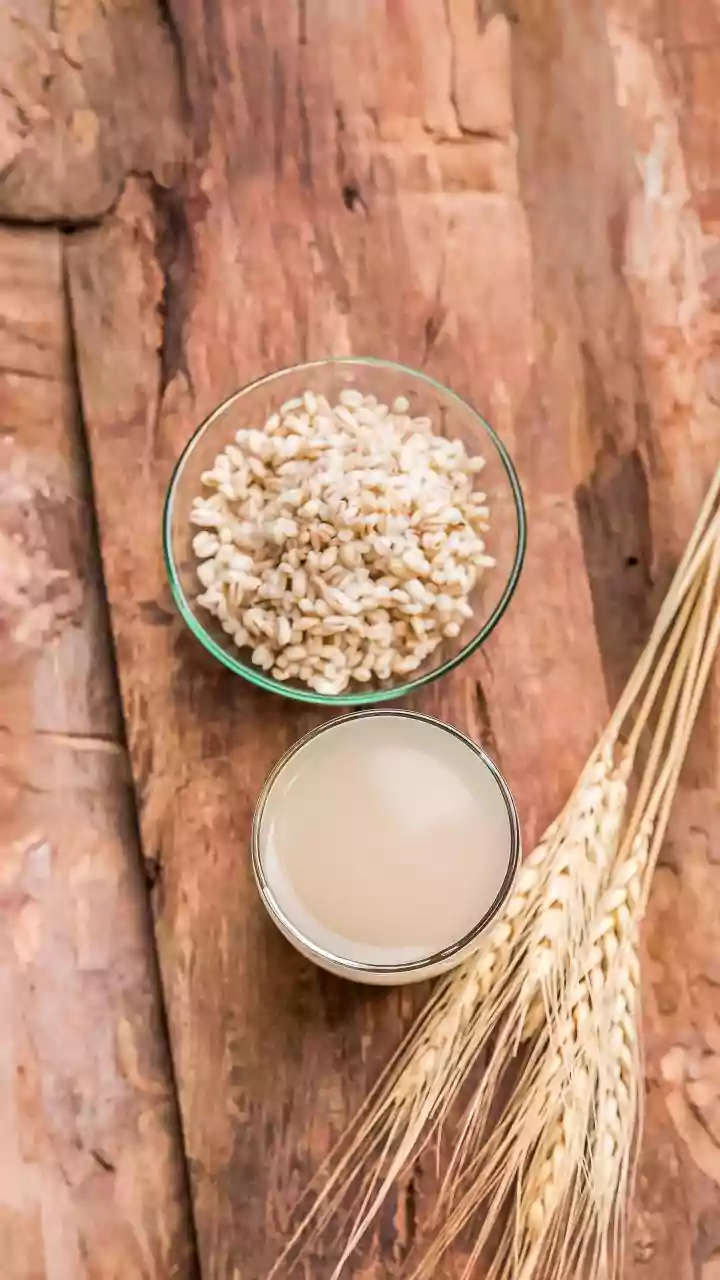
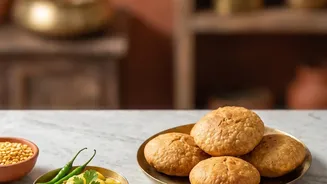
Winter is the ideal time to switch from lighter grains to more robust options. Millets like bajra (pearl millet) and jowar (sorghum) are traditionally consumed in regions like Rajasthan and Gujarat during winter for their warming properties. A simple bajra roti with a dollop of ghee is both delicious and energy-dense. Whole grains like brown rice and dalia (broken wheat) can be used to make wholesome khichdis and porridges that keep you full and energised. Starting your day with a warm bowl of oatmeal is another excellent way to incorporate fibre and complex carbohydrates into your diet.
Use Spices for Flavour and Warmth
Indian spices do more than just add flavour; many have warming properties that are beneficial in winter. Ginger, turmeric, black pepper, and cloves are known to boost metabolism and improve circulation. Adding fresh ginger and a pinch of turmeric to your morning tea or a dal can help boost your immunity. A simple 'tadka' of ghee, cumin seeds, and garlic can transform a plain dish into a flavourful and aromatic meal. Turmeric milk, or 'haldi doodh', is a traditional bedtime drink that helps ward off seasonal colds and promotes restful sleep.
Don't Forget Seasonal Fruits
While we focus on warm meals, winter fruits are an essential part of a balanced diet. Amla (Indian gooseberry), which arrives in markets around November, is one of the richest natural sources of Vitamin C, a powerful antioxidant that strengthens the immune system. Oranges and other citrus fruits are also abundant and help protect against common colds and flu. A small piece of jaggery (gud), often eaten after meals in winter, can aid digestion and provides a healthy way to satisfy sweet cravings. It pairs perfectly with peanuts or sesame seeds to make traditional winter snacks like chikki.