






Beyond Butter Chicken and Biryani
For decades, the Indian restaurant experience, both at home and abroad, was largely defined by a handful of North Indian staples. Menus across cities often looked remarkably similar, dominated by favourites like butter chicken, dal makhani, paneer tikka,
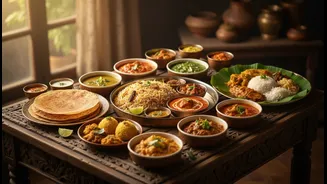
and biryani. While undeniably delicious, this narrow representation created a monolithic idea of “Indian cuisine,” obscuring the vast and varied food traditions simmering across the subcontinent. From the mountains of Kashmir to the coasts of Kerala, India’s culinary identity is a complex tapestry woven from thousands of distinct regional and communal traditions. Until recently, however, you’d be hard-pressed to find many of these dishes outside of home kitchens. Now, a growing number of chefs and restaurateurs are challenging this status quo, leading a movement that celebrates the country's true gastronomic diversity.
The Rise of the Culinary Cartographer
This new wave of restaurants is driven by chefs who see themselves as storytellers and cultural ambassadors. Armed with a passion for heritage, they are digging deep into forgotten family recipes, celebrating indigenous ingredients, and reviving traditional cooking techniques. This isn't just about putting new items on a menu; it's a conscious effort to educate diners and preserve culinary legacies. This shift is also a response to a more curious and adventurous diner. Today’s customers are looking for more than just a meal; they want an experience that tells a story and connects them to a place's roots. This appetite for authenticity has created the perfect environment for chefs to move beyond safe, commercialised dishes and present food that is honest, rooted, and unapologetically regional.
A Journey Across Your Plate
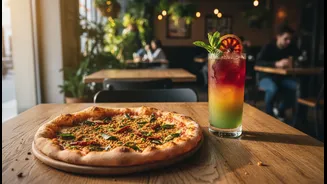
Instead of listing dishes under generic “vegetarian” or “non-vegetarian” sections, these new menus are often organized by geography, taking diners on a journey across India. You might start with a dish from the West, like a Gujarati Undhiyu reinterpreted as a modern okonomiyaki at a place like The Bombay Canteen, before moving to a fiery Chettinad prawn masala from the South. This trend has given birth to the concept of “hyper-regional” cuisine, which drills down even further than the state level. It spotlights the unique food of specific communities, like the Mappila cuisine of Kerala or the Kodava traditions from Karnataka. Restaurants like MKT in Delhi have launched pop-up menus explicitly designed to recast India’s culinary map, featuring dishes from Awadhi kitchens alongside coastal and desert cuisines, such as Mangalorean Ghee Roast and Champaran Lamb Shank. Even the bar menu often joins the journey, with cocktails featuring regional ingredients like jamun and kokum.
An Appetite for Authenticity
This movement signifies a powerful shift in India's cultural confidence. For years, fine dining often meant looking towards European or other international cuisines. Today, many of the country's most acclaimed chefs are proudly championing their own heritage, proving that Indian regional food can be as nuanced and sophisticated as any global cuisine. By focusing on provenance—knowing where ingredients come from and the history behind a dish—restaurants are offering a deeper, more meaningful connection to the food on the plate. They are working with small-scale farmers to source indigenous crops and forgotten grains, which not only enhances flavour but also supports local agricultural practices. This focus on regionality is reshaping the global perception of Indian food, moving it away from a singular, curry-based identity to a vibrant collection of diverse culinary cultures.