






The Spirit of Shravan
Shravan, or Sawan, is the fifth month in the Hindu calendar, dedicated to Lord Shiva. It's a time for prayer, spiritual discipline, and for many, fasting. Devotees often observe fasts on Mondays (Shravan Somvar) or even for the entire month to seek blessings.
This tradition is rooted in ancient stories, most famously the Samudra Manthan (churning of the ocean), where Lord Shiva consumed poison to save the world. The fasting and dietary practices are a form of devotion and gratitude. But beyond the religious significance, the culinary traditions of Shravan are a masterclass in eating according to the season. The month, which in 2026 begins around July 30th for North India, perfectly aligns with the peak of the monsoon.
The Wisdom of Sattvic Eating
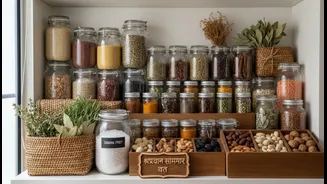
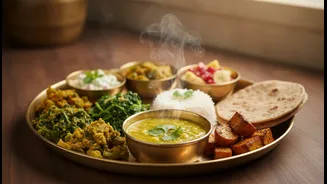
The diet during Shravan is predominantly Sattvic, a concept from Ayurveda that promotes pure, light, and calming foods. This means avoiding Tamasic (heavy, dulling) foods like meat, eggs, onions, and garlic, and Rajasic (stimulating) foods. There's a practical science to this. During the humid monsoon months, our digestive system is considered to be weaker. A light, Sattvic diet is easier on the stomach, helps prevent sluggishness, and keeps the mind calm and clear for spiritual practices. It’s a natural detox, a way to reset the body by consuming foods that are fresh, nourishing, and easy to process. This shift often involves swapping regular table salt for Sendha Namak (rock salt), which is considered purer for fasting.
Monsoon's Humble Bounty
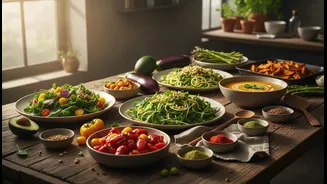
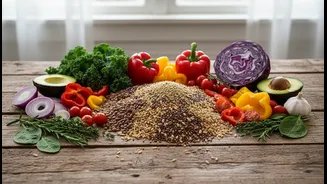
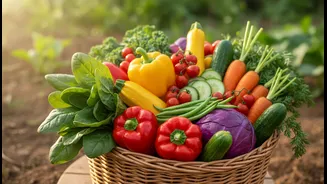
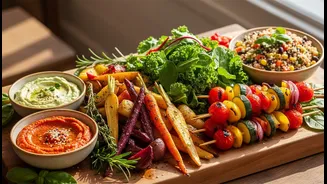
The Shravan plate is a celebration of the produce that thrives during the rains. Vegetables like bottle gourd (lauki), pumpkin, and various root vegetables like potatoes, sweet potatoes, and colocasia (arbi) become staples. These vegetables are not only seasonal but are also considered ideal for a fasting diet. Fruits that are abundant during this time, such as pears, plums, and certain varieties of mango, also feature heavily, providing natural energy and hydration. Instead of regular grains like wheat and rice, the focus shifts to alternatives like buckwheat flour (kuttu ka atta), amaranth flour (rajgira), water chestnut flour (singhara atta), and barnyard millet (samak ke chawal). These are gluten-free and provide sustained energy, making them perfect for fasting.
Comfort on a Plate
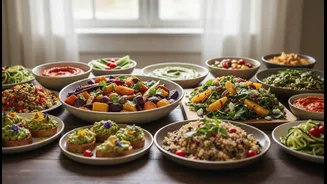
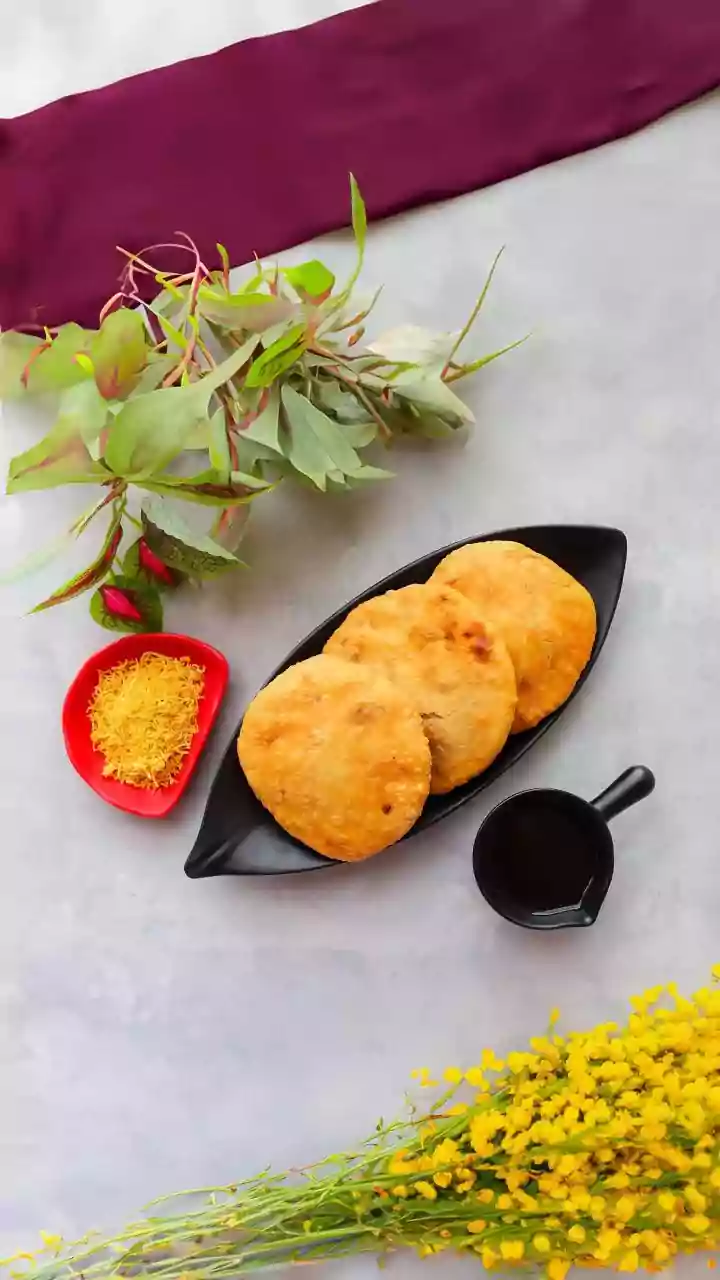
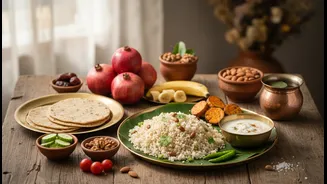
The true magic of Shravan food lies in its ability to transform these simple ingredients into deeply comforting meals. Sabudana (tapioca pearls) is the undisputed star of the fasting kitchen. A warm plate of Sabudana Khichdi, tossed with roasted peanuts, potatoes, and mild spices, is the quintessential comfort food for many. Another favourite is Kuttu ki Puri, fluffy, crisp bread made from buckwheat flour, often served with a simple, tangy potato curry made without onions or garlic. For a light meal or snack, there's Makhana (fox nuts), which can be roasted for a crunchy snack or simmered in milk to make a delicious kheer. These dishes are not just for those who are fasting; they are enjoyed by entire families, bringing a sense of shared tradition and simple joy to the monsoon season.
A Tradition for Modern Times
Even for those not observing a strict fast, Shravan offers a chance to reconnect with a more mindful and seasonal way of eating. It encourages a shift towards lighter, vegetarian meals that are in harmony with the weather. The principles of Shravan eating—focusing on fresh produce, avoiding heavy and processed foods, and giving the digestive system a rest—are incredibly relevant today. It’s a reminder that traditional food wisdom often contains timeless advice for well-being. The array of delicious vrat-friendly recipes ensures that this period is not about deprivation, but about discovering flavour and nourishment in simplicity.