
The Hidden Threat: What Is Periodontal Disease?
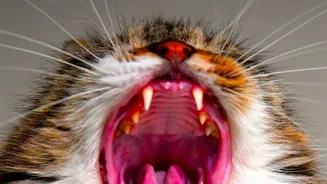
Periodontal disease is an infection and inflammation of the tissues surrounding the teeth. It starts with plaque, a sticky film of bacteria that forms on teeth after eating. If not removed, this plaque hardens into tartar, a tough, yellow-brown deposit.
While the tartar you see is unsightly, the real damage happens below the gumline. Bacteria creep into the space between the gums and teeth, causing inflammation (gingivitis). Left unchecked, this progresses to periodontitis, where the infection damages the bone and ligaments that hold teeth in place, leading to severe pain and tooth loss. Shockingly, by the age of three, a majority of dogs and cats already show signs of this condition.
More Than Just a Toothache
The consequences of periodontal disease extend far beyond the mouth. The bacteria thriving in infected gums can enter the bloodstream, a process known as bacteremia. Once circulating, these bacteria and the body's inflammatory response to them can cause damage to vital organs. Studies have shown a connection between advanced dental disease and an increased risk of heart, kidney, and liver problems. The kidneys and liver, which work to filter the blood, can become strained by the constant presence of bacteria. In the heart, bacteria can lead to conditions like endocarditis, an inflammation of the heart valves. For pets with existing conditions like diabetes, poor dental health can make managing their illness even more difficult.
Spotting the Silent Signs of Pain
Pets are masters at hiding pain, so owners must be vigilant. Bad breath, or halitosis, is the most common and noticeable sign. Other key indicators include red, swollen, or bleeding gums, and a visible buildup of tartar. You might notice behavioural changes, too. A pet may be reluctant to eat hard food, chew on only one side of their mouth, or drop food while eating. They might also paw at their face, drool excessively, or become irritable and withdrawn. A refusal to play with chew toys or a cat avoiding head scratches can also be subtle clues of oral discomfort.
Your At-Home Defence Plan
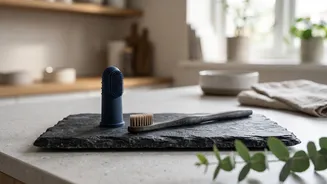
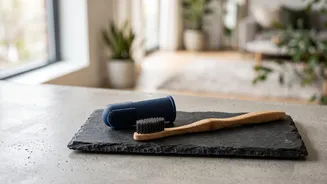
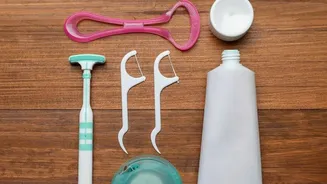
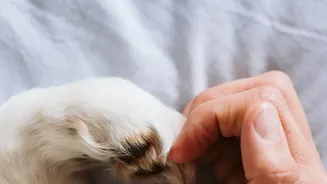
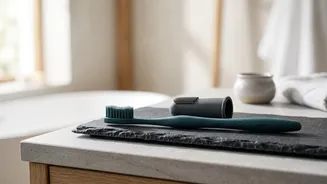
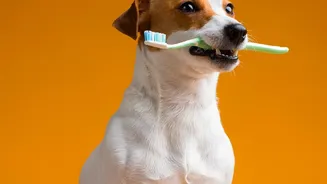
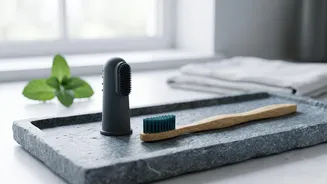
Prevention is the most effective strategy. The gold standard for at-home care is daily tooth brushing. It's crucial to use toothpaste specifically designed for pets, as human toothpaste is not safe for them. Start slowly, especially with adult pets, to get them accustomed to the process. Begin by letting them lick the pet-safe toothpaste off your finger, then graduate to a finger brush or a soft-bristled pet toothbrush, focusing on the outside surfaces of the teeth in gentle, circular motions. If brushing isn't feasible every day, specially designed dental wipes, chews, and toys approved by the Veterinary Oral Health Council (VOHC) can also help reduce plaque.
When to Call the Professionals
While at-home care is vital, it cannot remove tartar that has already hardened. Professional dental cleanings performed by a veterinarian are essential for treating and preventing periodontal disease. This procedure is done under general anaesthesia to ensure your pet is safe and comfortable, and to allow for a thorough cleaning below the gumline, which is impossible to do on a conscious animal. The process involves scaling to remove plaque and tartar, followed by polishing to smooth the tooth surface, making it harder for future plaque to stick. Vets will also perform a full oral exam and may take dental X-rays to check for hidden problems like root infections or bone loss.