



The New Travel Compass
Itineraries across India are being rewritten. While the Taj Mahal and the backwaters of Kerala remain iconic, they are now often just one part of a journey planned around culinary highlights. According to recent travel industry reports, a significant
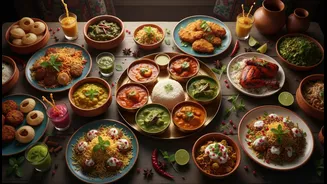
percentage of Indian travellers now consider a destination's food culture a primary factor when making holiday plans. This trend, known as gastronomic or culinary tourism, has moved from a niche interest to a powerful force reshaping domestic travel. The motivation is no longer just to eat well on holiday, but to travel specifically for unique food experiences, be it a famous restaurant, a regional specialty, or a vibrant street food scene.
What's Fuelling the Appetite?
Several factors are driving this hunger for culinary travel. The rise of social media plays a huge role; platforms like Instagram have turned food into a visual spectacle, with food bloggers and influencers showcasing everything from Lucknow's tender kebabs to Goa's seafood curries. This digital exposure inspires viewers to seek out these dishes themselves. Alongside this is a growing desire for authentic, experiential travel. Travellers are increasingly looking for a deeper connection to a place, and food is a direct gateway to local culture, history, and traditions. Increased disposable incomes and a post-pandemic urge to find meaningful experiences have also encouraged people to spend more on curated, memorable trips.
Beyond Butter Chicken and Biryani
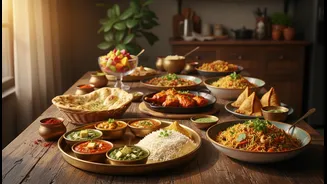
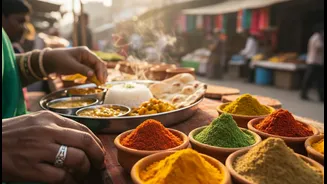
This trend is also broadening India's tourism map, pushing travellers beyond the conventional 'Golden Triangle'. People are venturing to explore the distinct flavours that define each region. This could mean a trip to experience the elaborate Wazwan feast in Kashmir, the fiery Chettinad cuisine in Tamil Nadu, or the unique tribal dishes of the Northeast. Cities like Indore and Amritsar are becoming as famous for their street food trails as other cities are for their monuments. This shift highlights the incredible diversity of India’s palate, where the cuisine can change dramatically every few hundred kilometres.
From Meals to Memories
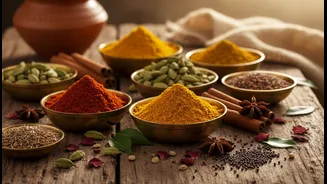
Culinary tourism today is about more than just consumption. It's about immersion. Travellers are actively participating in food-focused activities that create lasting memories. This includes signing up for cooking classes to learn regional recipes, joining guided food walks through bustling city markets, visiting spice plantations in Kerala, or staying at farm-to-table properties. These experiences offer a hands-on way to engage with the local food ecosystem, from understanding where ingredients come from to learning the stories behind a particular dish from a local chef or home cook. This transforms a simple meal into a rich cultural event.
A Taste of Economic Growth
The rise of food-led travel is also a significant economic driver. The India culinary tourism market was valued at over USD 110 Billion in 2025 and is projected to grow substantially. This boom doesn't just benefit high-end restaurants. It creates a sustainable ecosystem that supports local farmers, small-scale food producers, homestay owners, and street food vendors. As tourists seek out authentic local meals, more revenue flows directly into local communities, providing livelihoods and helping to preserve traditional culinary practices that might otherwise fade.