





A New Stamp on the Passport
For a generation defined by a desire for unique experiences, Uzbekistan is proving to be an irresistible draw. For years, the country remained a relatively mysterious spot on the map for many Indian tourists. Now, thanks to a simplified e-visa process
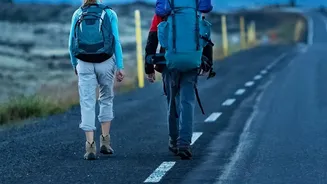
and growing word-of-mouth on social media, it has emerged as a top contender for those seeking adventure beyond the well-trodden paths of Southeast Asia and Europe. The appeal lies in its rare blend of affordability and grandeur. A full week exploring ancient cities can be managed on a budget that is comparable to, or even less than, popular domestic destinations. This financial accessibility, combined with direct flights from cities like Delhi, has opened the door for younger travellers and backpackers to experience a culture steeped in millennia of history.
Samarkand: Jewel of the Silk Road
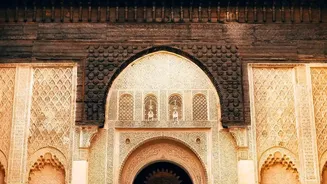
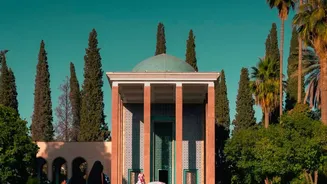
At the heart of this travel boom is Samarkand, a name that evokes the mystique of ancient trade caravans and empires. The city is a living museum, dominated by some of the most magnificent Islamic architecture in the world. The undisputed centerpiece is the Registan, a public square framed by three stunningly ornate madrasas (Islamic schools). Their towering arches and minarets, covered in intricate blue mosaic tiles, create a breathtaking spectacle, especially during the evening light show. Beyond the Registan, travellers can wander through the Shah-i-Zinda necropolis, an avenue of mausoleums that feels like a city of shimmering turquoise and terracotta. Then there’s the colossal Bibi-Khanym Mosque, built by the conqueror Timur, and his final resting place, the Gur-e-Amir mausoleum. These sites aren't just historical relics; they are vibrant hubs where modern life and ancient history coexist.
The Gen Z Itinerary
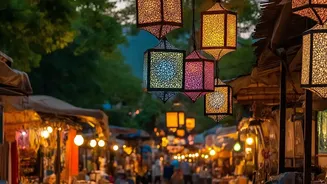
So, what makes this ancient land resonate with the digital generation? It's the perfect mix of photogenic beauty and authentic experience. The mesmerising tilework of Samarkand provides an unbeatable backdrop for Instagram feeds, but the appeal runs deeper. Young travellers are increasingly looking for substance, and Uzbekistan delivers. They are drawn to the stories of the Silk Road, the bustling energy of local markets like Siab Bazaar, and the warmth of Uzbek hospitality. They’re discovering that the food shares familiar flavours with North Indian cuisine, with plov, samsas, and kebabs being both delicious and incredibly cheap. This generation is adept at finding value, choosing to stay in family-run guesthouses over luxury hotels and using modern tools like ride-hailing apps to navigate ancient cities affordably.
Your Uzbek Adventure on a Budget
The claim of a 'cheap' itinerary holds up under scrutiny. A week-long trip can realistically be achieved for under ₹60,000. The process starts with a simple online e-visa for Indian citizens, which costs around $20 USD and is typically approved within a few days. Return flights from Delhi to the capital, Tashkent, can be found for between ₹25,000 and ₹28,000 if booked in advance. From there, high-speed trains like the 'Afrosiyob' connect major cities, with a ticket from Tashkent to Samarkand costing as little as ₹1,000-₹1,500. Accommodation is another major money-saver, with clean and well-regarded guesthouses available for ₹1,500-₹2,200 per night. Daily expenses are minimal; a hearty meal at a local eatery can cost less than ₹300, and taxi rides via apps are remarkably cheap.
Beyond Samarkand's Gates
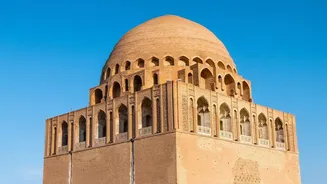
While Samarkand is often the main draw, Uzbekistan’s wonders don’t end there. To truly trace the path of the Silk Road, many travellers extend their itineraries to include Bukhara and Khiva. Bukhara, another UNESCO World Heritage city, offers a more intimate feel, with a historic centre full of mosques, madrasas, and a fortress that has stood for centuries. Khiva is perhaps the most atmospheric of all; its walled inner city, Ichan-Qala, feels like stepping directly into the past, with sandy lanes and preserved monuments that transport you back to the time of the caravans. Connecting these cities by train allows travellers to witness the changing landscapes of the country, from fertile valleys to the stark beauty of the Kyzylkum Desert.