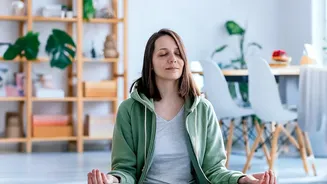






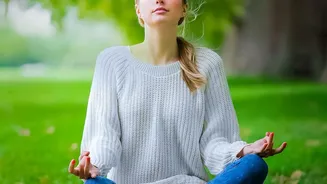
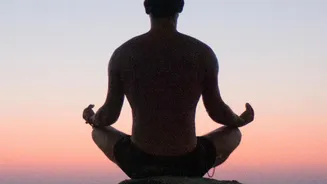
In our fast-paced world, stress and sleeplessness are common complaints. Ancient Indian wisdom offers a simple, powerful solution: Pranayama. These breathing techniques can calm a racing mind and prepare your body for restful sleep.
Understanding Pranayama and Your Nervous System
Pranayama is the yogic
practice of focusing on and controlling the breath. The word comes from Sanskrit, where 'prana' means life force energy and 'ayama' means to extend or draw out. The core principle is that by regulating your breath, you can influence your mental and physiological state. Slow, deep breathing activates the parasympathetic nervous system, often called the 'rest and digest' system. This activation lowers your heart rate, reduces stress hormones like cortisol, and signals to your body that it's safe to relax, making it a powerful antidote to anxiety and a natural preparation for sleep.
Anulom Vilom: Alternate Nostril Breathing for Balance
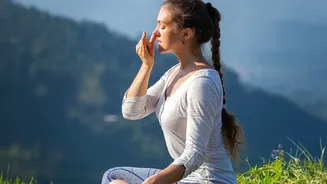
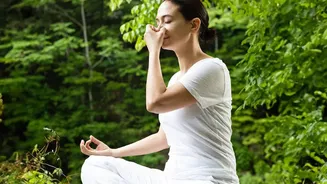
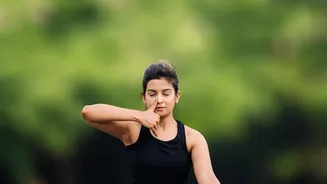
Anulom Vilom, or Nadi Shodhana, is a cornerstone of pranayama known for its ability to restore balance to the mind and body. This practice involves gently alternating the breath between the left and right nostrils, which is believed to harmonize the two hemispheres of the brain. It is exceptionally effective at calming the nervous system, reducing feelings of anxiety, and improving focus. Daily practice can lead to improved respiratory function and a greater sense of overall emotional stability. How to practice: Sit comfortably with a straight spine. Fold the index and middle fingers of your right hand, and use your thumb to close your right nostril. Inhale slowly through your left nostril. Then, close your left nostril with your ring finger and release your thumb to exhale through the right nostril. Inhale through the right nostril, close it, and exhale through the left. This completes one round. Start with 5-10 rounds.
Bhramari: Bee Breath for Instant Calm
Named for the gentle humming sound of a bee, Bhramari Pranayama is a deeply soothing technique that works wonders for an agitated mind. The gentle vibration created during the exhale has a calming effect on the nerves, particularly around the head and neck. It is an excellent practice to do before bed or anytime you feel overwhelmed, as it helps to drown out external distractions and quiet internal chatter. Studies suggest this practice promotes a state of parasympathetic dominance, making it ideal for stress relief. How to practice: Find a comfortable seated position. Close your eyes and take a deep breath in. As you exhale, keep your mouth closed and make a low-to-medium-pitched humming sound, like a bee, for the entire duration of the exhale. You can gently plug your ears with your thumbs to intensify the internal vibration. Repeat for 6-8 rounds.
Ujjayi: Ocean Breath for Restful Sleep
Ujjayi Pranayama, also known as 'Victorious Breath' or 'Ocean Breath', involves creating a soft, whispering sound at the back of the throat. This sound is created by a gentle constriction of the throat, similar to the one you'd make when whispering. The rhythmic, ocean-like sound is incredibly calming and helps to focus the mind. Ujjayi is often used to build internal warmth and maintain a steady rhythm during yoga, but when practiced in a relaxed way, it can be a powerful tool to ease the transition into sleep. How to practice: Lie down or sit comfortably. Inhale and exhale through your nose. On the exhale, slightly constrict the back of your throat to create a soft 'haaaah' sound, like you are fogging up a mirror but with your mouth closed. Keep the breath smooth and even on both the inhale and exhale. Continue for several minutes, allowing the sound to lull you into a state of relaxation.
Making Pranayama a Daily Habit
Consistency is more important than duration. Starting with just five minutes of conscious breathing each day can have a profound impact. Find a quiet corner where you won't be disturbed. You can practice in the morning to set a calm tone for the day, during a work break to reset your mind, or in the evening to unwind before bed. Listen to your body and never force the breath. The goal is to create a sense of ease, not strain. Over time, these simple techniques can become trusted allies in your journey toward better sleep and a more peaceful mind.