






The Daily Struggle on Shared Tracks
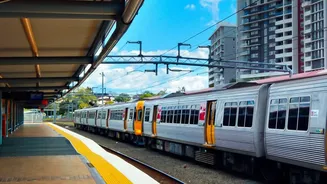
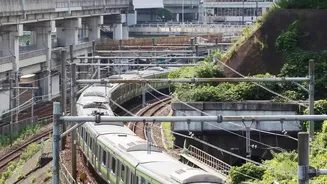
Mumbai's suburban railway is the city's lifeline, carrying over seven million passengers every day on a network that is stretched to its absolute limit. During peak hours, trains operate at more than double their intended capacity, creating the infamous
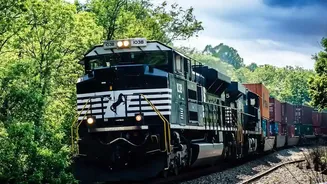
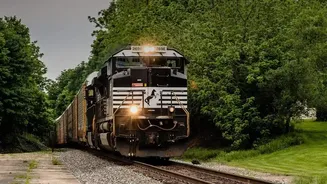
'super-dense crush load'. A significant reason for this congestion is that passenger and freight trains have historically shared the same tracks. Goods trains, which are slower and longer, occupy valuable time slots on the network, preventing the addition of more local services. This forces a compromise where passenger services are prioritized during peak hours, but the overall capacity remains choked by the need to accommodate freight traffic moving to and from the city's ports and industrial hubs.
A Superhighway for Goods
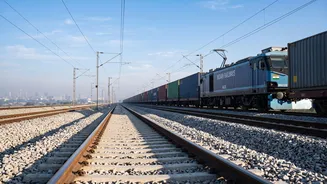
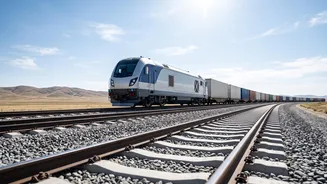
The game-changer is the Dedicated Freight Corridor (DFC) project, a multi-decade effort to build a separate, high-speed rail network exclusively for freight. The recently completed Western Dedicated Freight Corridor (WDFC) is a 1,506-kilometre route connecting Dadri near Delhi to the Jawaharlal Nehru Port (JNPT) in Navi Mumbai. Inaugurated in September 2026, the WDFC is designed to move goods faster and more efficiently. These corridors allow for the running of double-stack container trains, which can carry cargo equivalent to hundreds of trucks, revolutionizing India's logistics sector by reducing transit times and costs.
How Freight's Exit Creates Passenger Space
The core benefit for Mumbai commuters is simple: by shifting goods trains off the passenger network and onto the WDFC, critical track capacity is freed up. Railway authorities have long pointed to this decongestion as a prerequisite for increasing the frequency of local trains. With dozens of daily freight services moving to the new corridor, paths will open up on the Western and Central lines. This could allow for a significant increase in the number of suburban services, directly addressing the core problem of overcrowding. Railway Minister Ashwini Vaishnaw has indicated that the goal is to increase the number of daily services from the current 3,200 to around 3,500 by 2030, a target made more achievable by the DFC.
What Comes Next for Commuters?
The completion of the WDFC is a major milestone, but the benefits won't be instantaneous. The Mumbai Railway Vikas Corporation (MRVC) and the zonal railways will now be able to plan and implement new timetables that take advantage of the newly available capacity. This is part of a larger, multi-billion rupee effort under the Mumbai Urban Transport Project (MUTP) to overhaul the city's rail system. These plans include not just more services but also the introduction of 238 new air-conditioned local trains, extending platforms to accommodate longer 15-coach rakes, and upgrading signaling systems to reduce the time gap between trains. The full impact will be felt over the next few years as these integrated upgrades come online, leading to more frequent, less crowded, and more comfortable journeys.