


The Shifting Monsoon Calendar
Traditionally, the southwest monsoon begins its withdrawal from northwest India in early September, making it a popular time for tourists to visit hill stations. The promise is of vibrant, rain-washed scenery without the peak-season crowds. However, recent
years have disrupted this pattern. Scientists and meteorological data point to a trend of delayed monsoon withdrawal and increased rainfall late in the season. The India Meteorological Department (IMD) has even officially revised its normal withdrawal dates, pushing them back by up to two weeks for northwest India. This means that September is no longer a guaranteed dry month. Instead of the monsoon retreating, it can linger, or in some years, produce a second peak of intense rainfall, significantly altering travel conditions.
An Active and Unpredictable September
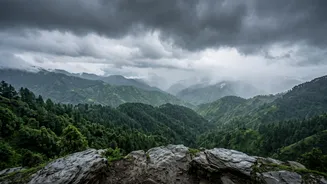
Forecasts for September 2026 are complex. While the IMD has predicted below-normal rainfall for the country as a whole, this doesn't mean dry weather everywhere. In fact, the beginning of the month has been marked by an active monsoon spell, with a Western Disturbance expected to interact with the monsoon trough to bring widespread and potentially intense rain across the Himalayan states between September 4 and 7. The IMD has already issued warnings for heavy to very heavy rainfall in states like Uttarakhand and Himachal Pradesh for the first week of September. This contradicts the older notion of September being a reliably post-monsoon month and highlights a new reality: weather patterns are becoming more volatile and less predictable.
The Real Dangers for Hill Travellers
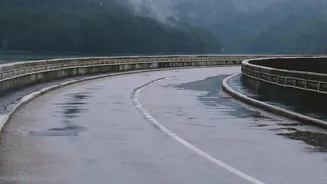
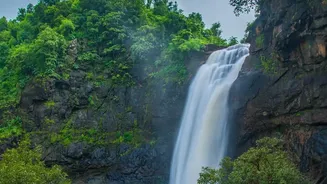
For those heading to the hills, this shift is not just an inconvenience; it's a serious safety concern. The primary dangers are landslides and flash floods. The Himalayan region is geologically young and naturally prone to instability. After months of monsoon rains, the soil is often completely saturated. When intense, late-season showers arrive, the ground cannot absorb any more water, leading to dangerous surface runoff and increasing the likelihood of slopes giving way. Recent incidents in the first days of September in Uttarakhand and Himachal Pradesh, involving blocked roads and deadly landslides, serve as a stark reminder of these risks. Travellers may face road closures that last for days, leaving them stranded, or worse, find themselves in the path of a flash flood or landslide.
Which Destinations Are Most Vulnerable?
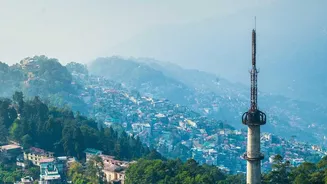
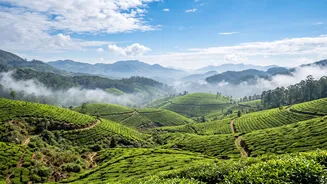
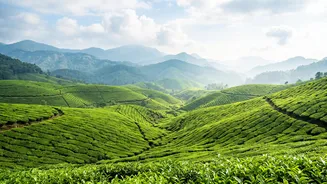
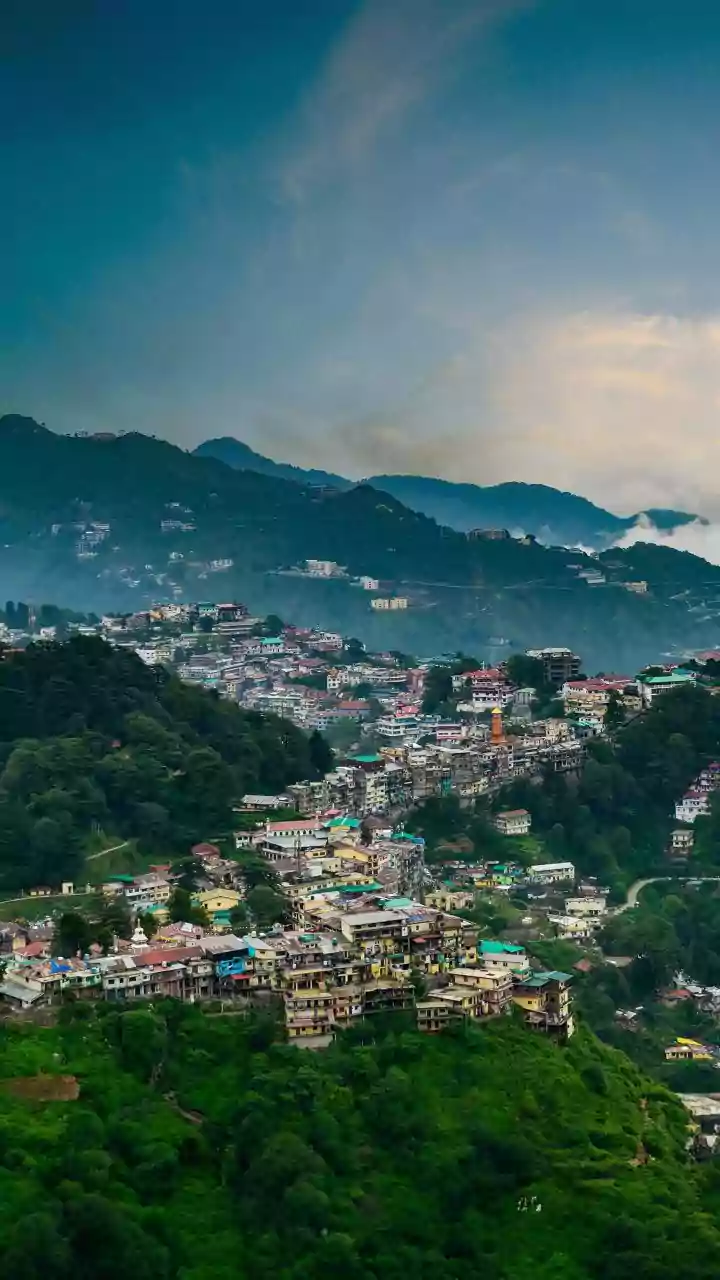
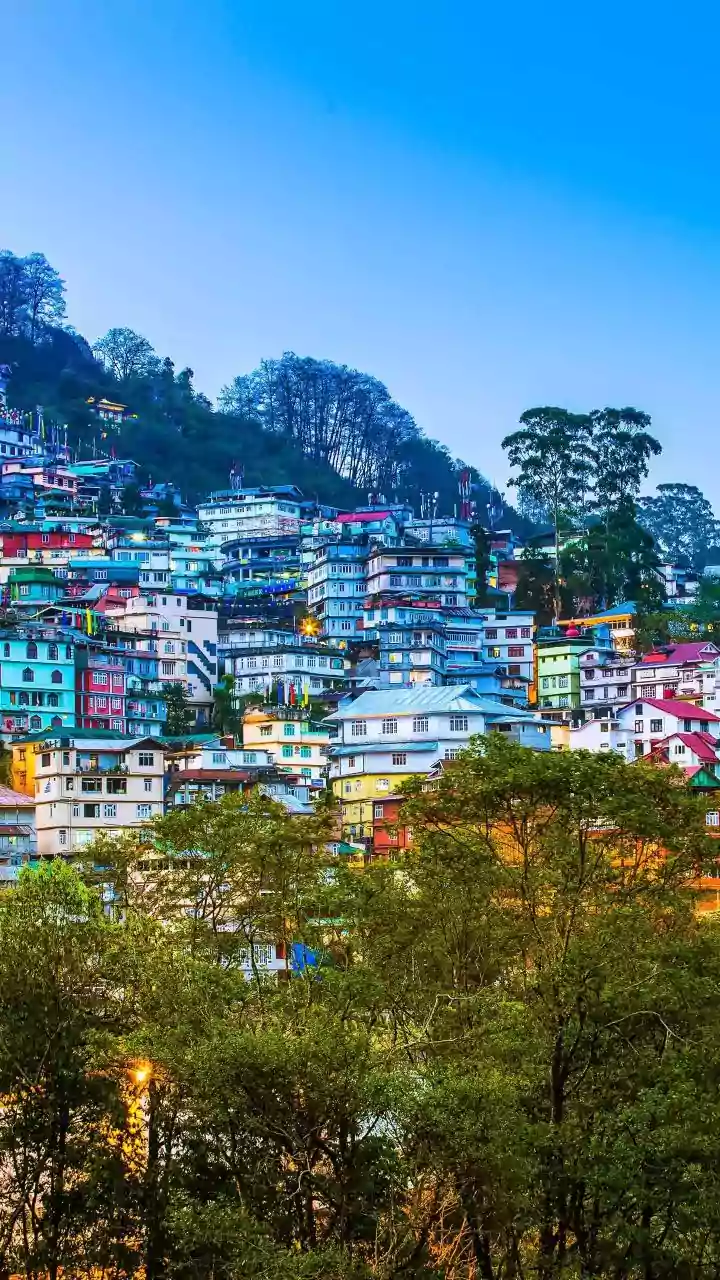
Popular destinations in Himachal Pradesh (like Kullu, Manali, and Shimla) and Uttarakhand (including Nainital, Mussoorie, and the Char Dham routes) are particularly vulnerable. These regions have seen significant, often unplanned, construction and an increase in tourism, which can exacerbate the risks. In early September 2026, the IMD specifically flagged a moderate flash-flood risk for several districts in Jammu & Kashmir, Himachal Pradesh, and Uttarakhand. Even the hill stations of North Bengal, such as Darjeeling and Kalimpong, have reported landslides and rising river levels due to persistent rain. While southern hill stations like Coorg and Munnar are also exiting the monsoon, they too can experience occasional heavy showers.
How to Plan a Safer Hill Trip This September
This doesn't mean you must cancel all plans, but it does require a more cautious and informed approach to travel. First, monitor IMD forecasts daily. Use their official website and district-wise warnings to check the specific conditions for your destination. Second, build buffer days into your itinerary. A two-day trip can easily become a five-day ordeal if roads are blocked. Having extra time reduces stress and prevents you from taking risks. Third, speak to locals. Contact your hotel or homestay owner before you leave and while on the road to get real-time updates on ground conditions. They will know which routes are safe. Finally, avoid travelling during active heavy rain warnings and never attempt to cross streams or flooded roads. If the weather turns severe, it's always safer to stay put and wait for it to clear.