


The Nutritional Powerhouse on a Plate
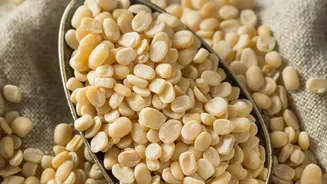
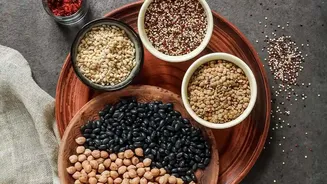
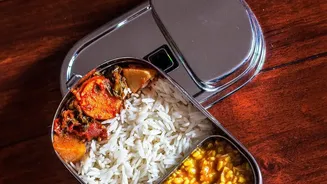
The combination of dal and rice is more than just comfort food; it's a lesson in food synergy. Lentils (dal) are rich in protein but lack certain amino acids, like methionine, which rice contains. Conversely, rice lacks the lysine that dal provides in abundance.
Together, they form a 'complete protein', offering all the essential amino acids your body needs, similar to what you might find in animal products. Add a seasonal vegetable side (sabzi), and you complete the picture with essential vitamins, minerals, and fibre, creating a balanced, wholesome meal. This trio provides sustained energy from carbohydrates, muscle-building protein, and micronutrients for overall health.
Making Your Budget Work Smarter
The true genius of this meal plan lies in its affordability. Rice and dals are among the most cost-effective staples you can buy. Purchasing them in larger quantities or from bulk bins can significantly reduce the cost per meal. The 'seasonal' aspect of the sabzi is equally important for your wallet. When vegetables are in season, they are available in abundance, which drives down their prices. Opting for whatever is fresh and local—be it spinach and carrots in the winter or gourds and beans in the summer—ensures you get the best flavour and nutritional value without paying a premium for produce that has been transported over long distances.
A Flexible Blueprint for Your Week
Adopting a dal, rice, and sabzi plan doesn't mean eating the exact same thing every day. Think of it as a flexible template. Start by planning your meals for the week. You can cook a large batch of a simple dal, like toor or masoor, to last for two to three meals. Cook rice fresh daily or for a couple of days at a time. The real variety comes from the sabzi. Aim to cook a different vegetable every one or two days. One day it might be a simple bhindi fry, the next a potato and cauliflower stir-fry (aloo gobi), and then a leafy green preparation. This rotation naturally diversifies your nutrient intake and keeps your palate interested.
Keeping It Delicious and Diverse
Preventing flavour fatigue is key to sticking with any meal plan. The secret to variety in Indian cooking often lies in the spices and the 'tadka' (tempering). A simple moong dal can be transformed with different tadkas: one day with cumin seeds and asafoetida, another with mustard seeds, dried red chillies, and garlic. You can also add vegetables directly into your dal, like spinach, carrots, or bottle gourd, to boost its nutritional content. Don't forget the power of simple accompaniments. A side of plain yogurt (dahi), a fresh kachumber salad (chopped onion, tomato, cucumber), or a spoonful of pickle can elevate the entire meal with minimal cost and effort.
Smart Shopping and Preparation
A little planning goes a long way. Before you shop, take stock of your pantry to avoid buying duplicates. Create a strict grocery list focusing on staples and seasonal vegetables. To save time during busy weekdays, consider some light prep over the weekend. You can chop onions, make ginger-garlic paste, or even prepare the base masala for your sabzis and store it. Soaking dals for a few hours before cooking not only reduces cooking time but also makes them easier to digest and improves nutrient absorption. By streamlining the process, you're more likely to stick to your plan and avoid the temptation of expensive takeaways.