






The Hidden Danger of Driver Fatigue
On Indian roads, with their mix of smooth highways, chaotic city traffic, and unexpected obstacles, driver fatigue is a significant risk. It's more than just feeling tired; fatigue impairs reaction time, judgment, and coordination, much like driving under
the influence of alcohol. A tired driver may experience 'micro-sleeps'—brief, involuntary episodes of sleep lasting a few seconds. At highway speeds, that's long enough to cover a significant distance with no one in control. The monotonous nature of long highway stretches can further increase this risk. Symptoms like frequent yawning, heavy eyelids, difficulty focusing, or forgetting the last few kilometres are all warning signs that a break is immediately necessary.
How to Plan for Proper Rest
Effective planning is the best defence against fatigue. Instead of aiming to cover maximum distance, prioritise well-being. A good rule of thumb is to limit driving to a reasonable number of hours per day, ideally not more than eight to ten. Plan your route with designated overnight stops. This prevents the temptation to push through exhaustion to reach a far-off destination. Start your driving day early to make the most of daylight hours and avoid the risks of night driving, which often involves reduced visibility. During the drive, schedule short breaks every couple of hours to stretch, have a snack, and refresh your mind. Using roadside eateries or 'dhabas' for these breaks can also add a local flavour to your journey.
Respecting India’s Unpredictable Weather
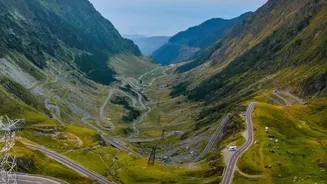
India's weather is famously diverse and can change rapidly, significantly impacting road conditions. The monsoon season (typically June to September) transforms landscapes into lush paradises but also brings challenges like slippery roads, reduced visibility, and potential waterlogging. In mountainous regions like the Himalayas, monsoons and winter can lead to landslides or heavy snowfall, causing road closures. Similarly, dense fog in North India during winter can make driving extremely hazardous. Before you start, and each day of your trip, check the weather forecast and any local travel advisories for your route.
Building a Weather-Proof Itinerary
The key to managing weather is flexibility. Don't create an overly ambitious, tightly packed schedule. Instead, build 'buffer days' into your itinerary. This extra time allows you to wait out a heavy downpour, a foggy morning, or a temporary road closure without stress. If you're travelling in a region prone to disruptions, like the hills during monsoon, it's wise to have an alternative route in mind. Listen to local advice; if residents or authorities warn that a road is unsafe, it’s best to heed their guidance. Sometimes, the most sensible decision on a monsoon road trip is to simply pull over, enjoy a cup of tea, and wait for conditions to improve.
Your Essential Backup and Safety Kit
A well-prepared car is crucial for both safety and peace of mind. Before any long trip, ensure your vehicle is serviced, paying special attention to tyres, brakes, wipers, and all lights. Pack an emergency kit that includes a first-aid box, a torch, basic tools, and jumper cables. For weather-specific backups, include a waterproof jacket and water-resistant footwear for monsoons, and extra warm layers for winter trips. Always carry extra food and water, enough for at least one extra day. A portable tyre inflator and a power bank for your phone are invaluable modern essentials, especially since network coverage can be patchy in remote areas.