



Who is Anil Menon?
Anil Menon, 49, is a NASA astronaut, emergency physician, and a US Space Force colonel with deep Indian roots. Born in Minneapolis, Minnesota, to Ukrainian and Indian immigrant parents, his career has been nothing short of remarkable. He holds degrees
in neurobiology from Harvard and both mechanical engineering and medicine from Stanford. Before joining NASA's astronaut corps in 2021, Menon's journey included serving on the frontlines in Afghanistan, providing medical care to climbers on Mount Everest, and spending a year in India as a Rotary Ambassadorial Scholar supporting polio vaccination efforts. He also has extensive experience in the private space sector, having served as SpaceX's first-ever flight surgeon, where he helped launch the company's first human spaceflights. His wife, Anna Menon, is also an astronaut who flew on a private spaceflight in 2024.
The Mission Explained
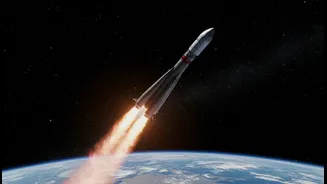
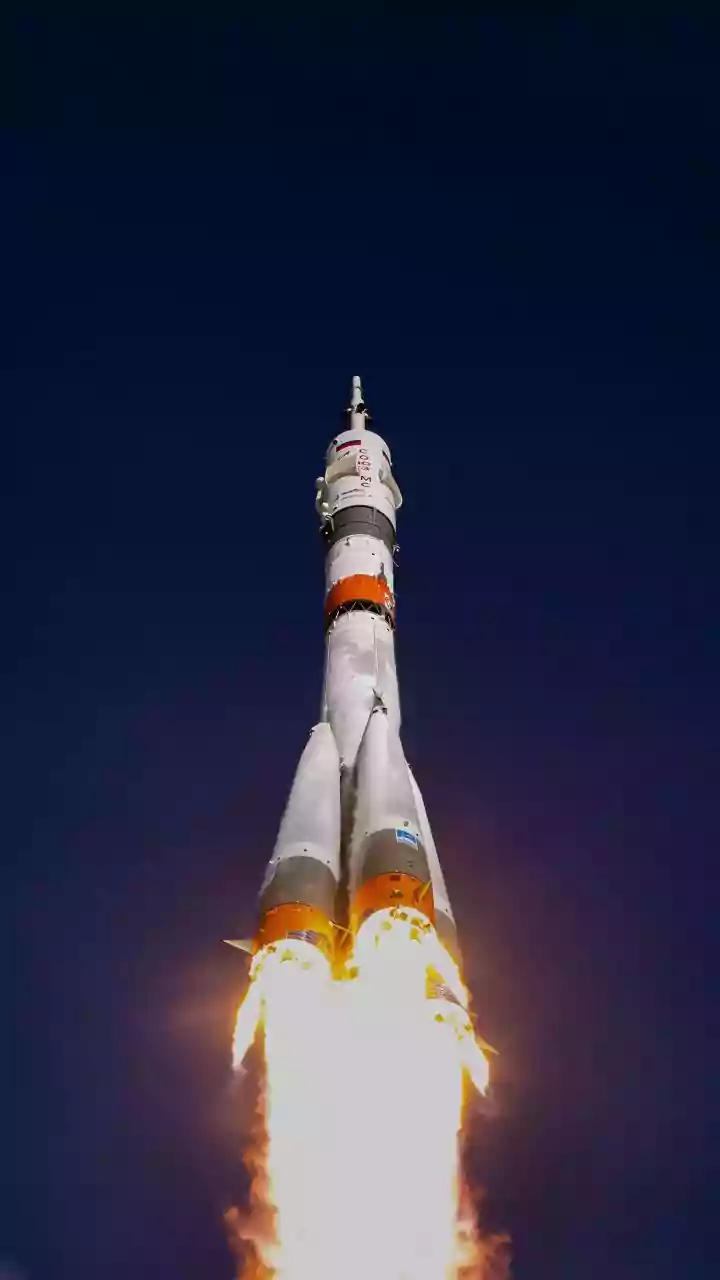
Menon is scheduled to launch to the International Space Station (ISS) on July 14, 2026. He will be part of the Roscosmos Soyuz MS-29 mission, launching from the Baikonur Cosmodrome in Kazakhstan alongside Russian cosmonauts Pyotr Dubrov and Anna Kikina. This will be Menon's first spaceflight. The crew will spend approximately eight months aboard the orbiting laboratory as part of ISS Expeditions 74 and 75, with a planned return to Earth in the spring of 2027. During his time on the station, Menon will serve as a flight engineer, a role that involves conducting scientific research, performing technology demonstrations, and maintaining the complex systems of the ISS.
Why This Mission Matters
This eight-month mission is packed with critical scientific research that will benefit life on Earth and pave the way for future deep-space exploration to the Moon and Mars. A significant portion of Menon's work will focus on medical science in a microgravity environment. He will conduct experiments to study the physiological toll of long-duration spaceflight on the human body, examining how it affects blood flow and vein structure. Another vital experiment involves testing technologies to produce intravenous (IV) fluids using the station's existing water supply—a capability that could be life-saving on long journeys where medical supplies are limited. Additionally, Menon will contribute to research on refining the in-space production of semiconductor crystals, which are crucial for manufacturing components for high-performance computers and advanced medical devices.
How to Follow the Mission
You can witness this historic moment live. NASA will provide extensive coverage of the launch and docking procedures. The launch is scheduled for 10:47 a.m. EDT on July 14, which corresponds to the evening in India. Live coverage will begin approximately one hour before liftoff, around 9:45 a.m. EDT. You can watch the entire event on several platforms, including NASA's official YouTube channel (often called NASA TV), the NASA+ streaming service, and even on Amazon Prime. After the launch, these same channels will provide live coverage of the Soyuz spacecraft's rendezvous and docking with the ISS, followed by the hatch opening and welcome ceremony for the new crew members. For continuous updates, you can also follow NASA's official social media accounts and check its website for the full broadcast schedule.
Life Aboard the ISS
An eight-month stay in space is an extraordinary experience. Life on the International Space Station is a highly structured routine of work, exercise, and personal time. Astronauts typically work a 10-hour day, conducting a wide array of experiments for scientists back on Earth, performing maintenance on the station, and managing the logistics of the orbiting lab. To counteract the muscle and bone density loss that occurs in microgravity, astronauts must exercise for about two hours every day using specialised equipment. When they are not working, they can enjoy breathtaking views of Earth from the station's Cupola observatory, talk to their families, watch movies, and interact with their international crewmates. You can often see live views from the ISS, including astronaut activities and stunning shots of our planet, on NASA's live streaming channels.