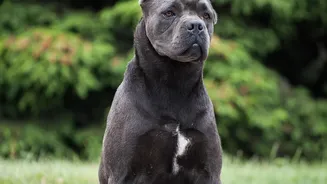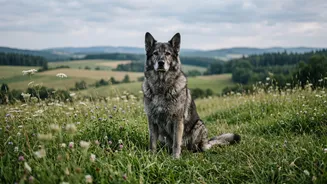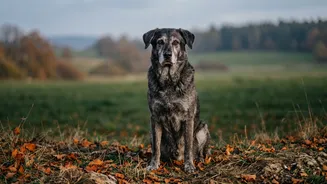




It’s a bittersweet truth every dog lover knows: the larger the breed, the shorter the lifespan. Now, science is finally uncovering why. A landmark study offers the clearest molecular explanation yet for this heartbreaking pattern.
The Size-Lifespan Paradox
Anyone who has loved
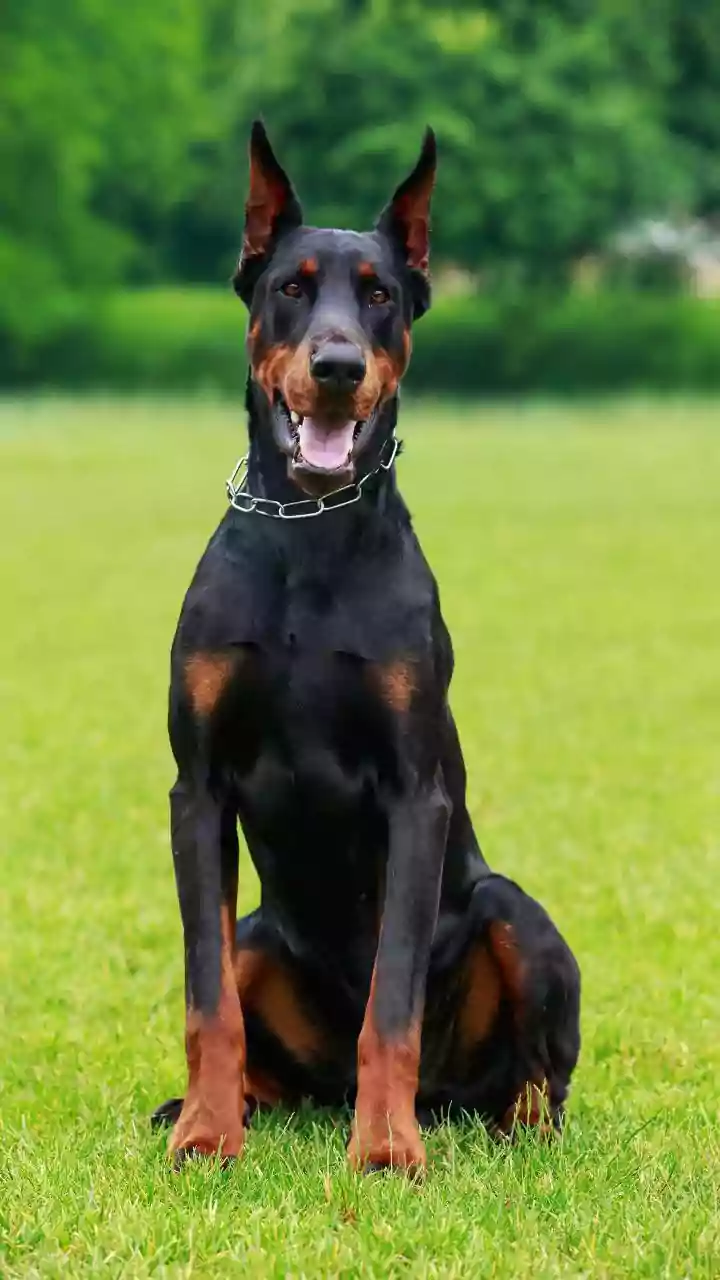
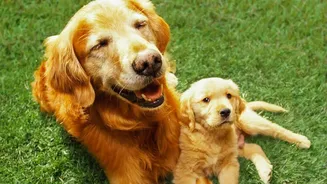
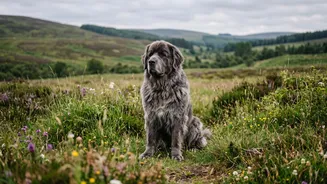
a Great Dane or an Irish Wolfhound is painfully aware that their time is often cruelly short, while a tiny Chihuahua can live nearly twice as long. This pattern is a strange exception in the animal kingdom. Across different mammal species, larger animals almost always live longer—think of a whale versus a mouse. But within the single species of Canis lupus familiaris, the opposite is true. This has long puzzled scientists, but recent research from the Dog Aging Project, a long-term study following thousands of pet dogs, has provided a major breakthrough by looking directly at their DNA.
Unlocking the Secrets of 'Jumping Genes'
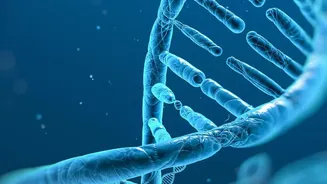
The new research, published in the journal Science, points to an unstable culprit within canine DNA: transposable elements, also known as 'jumping genes'. These are stretches of DNA that can copy themselves and move to other locations in the genome. When they do, they can cause damage, leading to genetic instability, inflammation, and an increased risk of diseases like cancer. Our bodies, and our dogs' bodies, use a chemical process called methylation to keep these jumping genes locked down and inactive. Think of methylation as a set of chemical tags that tell the genes to stay quiet.
How Large Dogs Lose Control Faster
The study found that as all dogs age, they naturally lose some of these protective methylation tags. This loss of control allows the jumping genes to become more active, contributing to the aging process. However, the key finding is that this process happens significantly faster in larger dogs. Researchers discovered that giant breeds lose these chemical tags about 35% more quickly per year than small breeds. This accelerated loss of regulation, particularly over a common jumping gene called LINE-1, is one of the clearest molecular signals of aging scientists have seen that explains the size-lifespan link.
A Different Biological Clock
This means large dogs aren't just aging in the same way as small dogs, only faster. Their entire biological aging pattern is distinct. Scientists used the dogs' DNA methylation patterns to create an 'epigenetic clock', a tool that measures biological age rather than just chronological age in years. They found that the epigenetic clocks of large dogs tick much faster. This faster molecular aging means that a three-year-old Great Dane is biologically older than a three-year-old Pug, having accumulated more DNA damage and cellular wear and tear in the same amount of time.
The Trade-Off of Rapid Growth
Why would this happen? The prevailing theory is that it's an evolutionary trade-off. For centuries, humans have selectively bred dogs for specific traits, including large size. This push for rapid growth from puppyhood to adulthood in large breeds likely comes at a cellular cost. The immense energy and resources required to grow so big, so fast, may divert resources away from crucial cell maintenance and DNA repair mechanisms. In essence, their bodies are built for growth at the expense of longevity, living a 'live fast, die young' existence at the molecular level. This rapid cell division also increases the odds of mutations that can lead to cancer, a disease more common in larger breeds.
What This Means for Owners
While this research doesn't yet offer a magic pill to extend your large dog's life, it provides a crucial understanding of their unique needs. It underscores the importance of proactive and tailored veterinary care for big dogs. Knowing they age faster biologically highlights the need for more frequent senior check-ups, which may need to start earlier than for smaller breeds. Owners can focus on factors they can control: maintaining a lean body weight to reduce stress on the body, ensuring excellent joint care, and providing a high-quality diet. This knowledge empowers owners to be vigilant partners with their vets in managing the health of their beloved gentle giants.