







The New Nutritional Challenge
India finds itself in a peculiar position. While grappling with undernutrition in some parts of the population, there's a simultaneous rise in lifestyle diseases like diabetes, obesity, and heart conditions linked to modern diets. A major contributing
factor to both is 'hidden hunger'—a deficiency of essential micronutrients like vitamins and minerals. The government's renewed focus, seen in initiatives like Poshan Abhiyaan 2.0, recognises that a diet rich in diverse foods, especially fruits, is a powerful, food-first strategy to tackle this dual burden. It’s a move from calorie security to comprehensive nutritional security.
Why Fruits Are a Top Priority
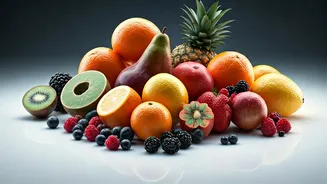
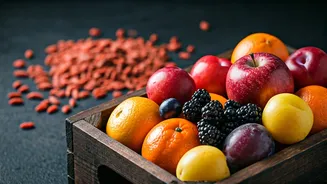
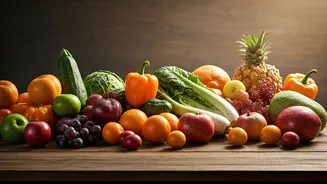
Fruits are nature's ready-to-eat supplements. They are packed with vitamins, minerals, fibre, and antioxidants that our bodies need to function optimally. Unlike processed foods, they provide these nutrients without the baggage of excess sodium, unhealthy fats, or refined sugars. Regular fruit consumption is scientifically linked to a lower risk of chronic diseases, improved digestion, stronger immunity, and better overall health. By promoting fruit cultivation and consumption, the nation is investing in preventative healthcare, aiming to build a healthier population from the ground up, reducing the future strain on our healthcare system.
Beyond Apples and Bananas: India's Own Superfoods
While imported and widely available fruits are great, India is blessed with a treasure trove of indigenous and regional fruits that are often more affordable, sustainable, and incredibly nutritious. These local powerhouses are perfectly suited to our climate and have been part of traditional wellness systems for centuries. Shifting focus to these native gems not only boosts our health but also supports local farmers and biodiversity. Here are a few you should get to know better.
Amla: The Vitamin C Champion
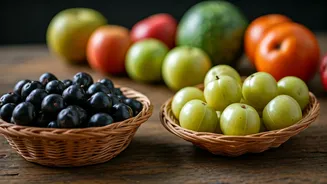
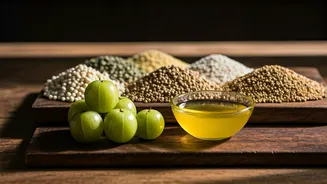
The humble Indian gooseberry, or amla, is a true superstar. It contains one of the highest concentrations of Vitamin C found in any plant, far surpassing oranges. This potent antioxidant is crucial for a strong immune system, healthy skin, and hair. Amla is also rich in polyphenols, which help fight inflammation and cellular damage. Traditionally used in Ayurveda to enhance vitality, it's a versatile fruit that can be eaten fresh, pickled, or consumed as a juice or powder.
Jamun: The Blood Sugar Ally
The deep purple Java plum, or jamun, is more than just a delicious monsoon treat. It has a low glycemic index, meaning it releases sugar into the bloodstream slowly. Traditional medicine has long valued jamun, especially its seeds, for its properties that may help in managing blood sugar levels. It's also packed with antioxidants like anthocyanins (which give it its dark colour) that protect the body against free radical damage and support heart health.
Bael: The Gut Health Guardian
Known as wood apple, bael is a fibrous fruit celebrated for its digestive benefits. It contains tannins, which help in managing conditions like diarrhoea and cholera, and has laxative properties that can relieve constipation. The fruit's pulp is an excellent source of dietary fibre, which is essential for maintaining a healthy gut microbiome. A cooling glass of bael sherbet in the summer is not just refreshing but also a traditional remedy for soothing an upset stomach.
How to Easily Add More Fruit
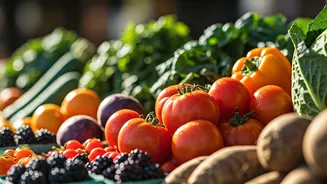
Incorporating more fruit into your diet doesn't have to be complicated. Start simple. Add sliced bananas or pomegranate arils to your morning cereal or dahi. Swap your mid-afternoon processed snack for a guava or an orange. Keep a fruit bowl on your desk or dining table as a visual reminder. Exploring local and seasonal fruits is not only cost-effective but also ensures you get the freshest, most nutrient-dense produce available.