




The New Rules of Snacking
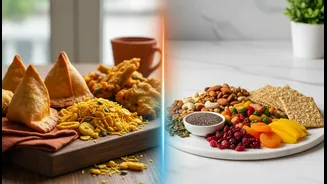
For generations, snacking in India has been about indulgence and tradition. But a significant shift is underway, driven by a new class of health-conscious consumers. This change is not just a niche trend; it's a mainstream movement. According to the recent
Farmley Healthy Snacking Report 2026, a staggering 86% of Indian consumers now consider protein an important factor when choosing a snack. This growing awareness, particularly among urban and younger shoppers, is forcing brands, both big and small, to rethink their recipes. Consumers are no longer just looking for convenience; they are demanding functionality, nutrition, and honesty from the brands they buy.
Protein Takes Centre Stage
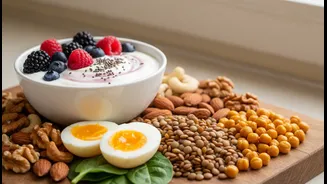
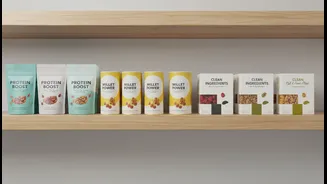
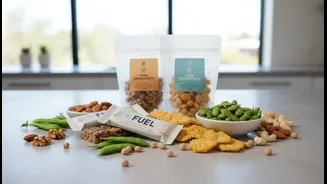
Protein has officially moved from the gym bag to the everyday grocery basket. What was once a concern for fitness enthusiasts is now a priority for families and busy professionals. The demand for protein has led to a boom in products like protein bars, yogurts, makhana, and snacks made from pulses like peas and chickpeas. This is reflected in sales data, with some quick commerce platforms reporting a 150% surge in protein-related orders. The trend isn't limited to major metros; tier-2 cities are showing even faster growth, signaling a nationwide shift in eating habits. Recognizing this, nearly a third of consumers say they are willing to pay more for snacks that are rich in protein, creating a massive opportunity for brands that can deliver on this nutritional promise.
Decoding the 'Clean Label' Promise
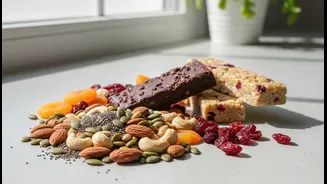
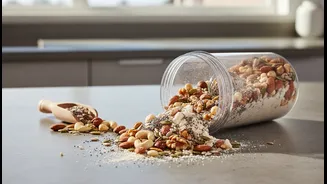
Alongside the protein boom is the equally powerful demand for 'clean labels'. But what does that actually mean? For Indian consumers, it's about transparency and simplicity. A clean label means short, recognisable ingredient lists, free from artificial additives, synthetic colours, and chemical-sounding preservatives. It's a move toward ingredients you might find in your own kitchen, like turmeric for colour instead of synthetic dyes. According to recent surveys, 62% of consumers say ingredient transparency is the most important factor when choosing a brand, even more so than celebrity endorsements. This is pushing manufacturers to not only change their marketing but to fundamentally reformulate their products. Many are also turning to natural sweeteners like jaggery and dates, as 61% of shoppers now prefer them over refined sugar.
The Challenges: Taste, Trust, and Price
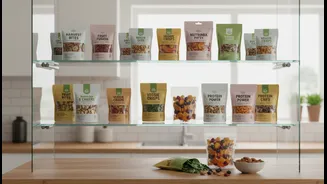
While the opportunity is huge, the path is not easy for healthy snack brands. The biggest hurdle remains taste. Healthier alternatives must still compete with the traditional, often spicier flavours that the Indian palate is accustomed to. Another challenge is cost. Healthier ingredients and natural formulations are often more expensive, and while many consumers say they will pay a premium, price sensitivity is still a major factor in the market. Finally, there's the issue of trust. With so many products making health claims, consumers are becoming skeptical of 'greenwashing'. Brands that succeed will be those that can build credibility through genuine transparency, from sourcing ingredients to clear packaging, without compromising on the flavour that makes snacking enjoyable.