

Understanding the Kofta Foundation
At its heart, kofta is a mixture of a base ingredient (traditionally ground meat), a binder, aromatics, and fat. The word itself comes from the Persian 'kuftan', meaning 'to grind'. This tells us that the texture is just as important as the taste. When
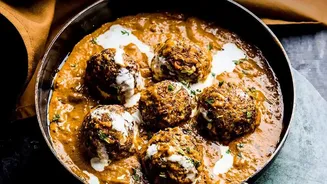
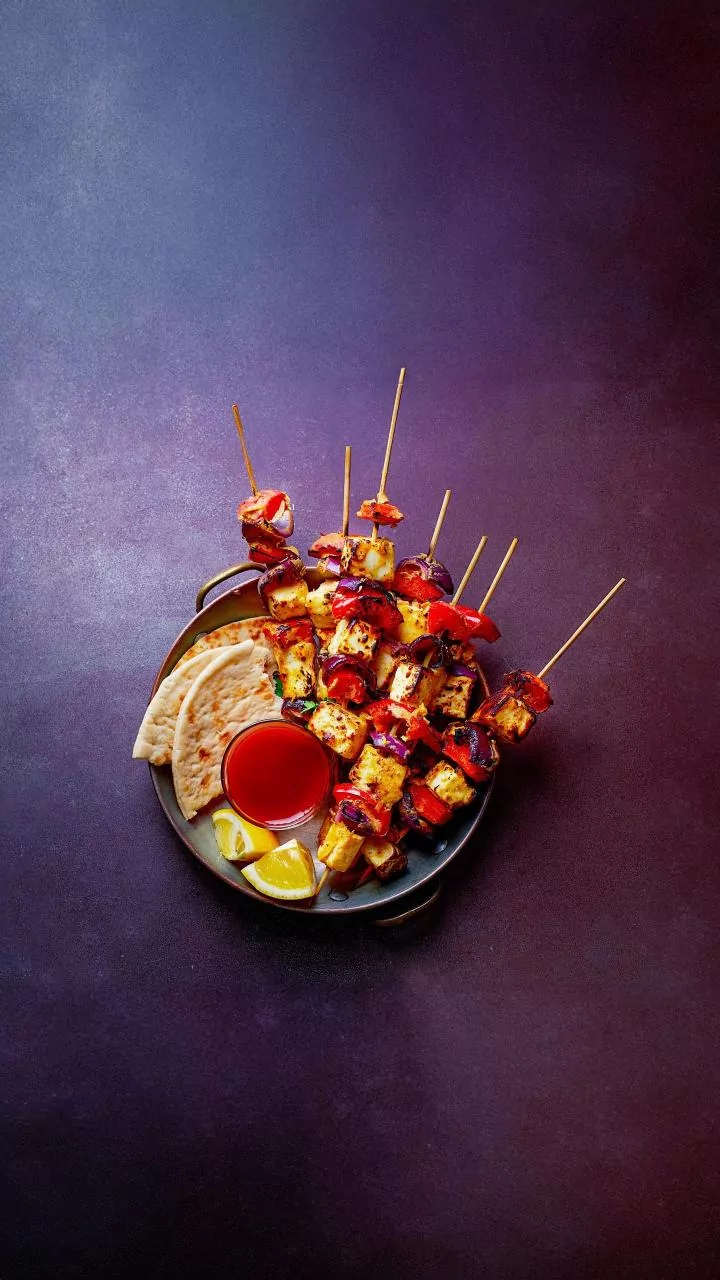
substituting, your primary goal is to replicate the function of each component. Traditional koftas often use lamb or beef, which provide flavour, fat, and a dense structure. In India, vegetarian koftas made from paneer, potato, or bottle gourd (lauki) are equally cherished, each presenting its own unique properties. Before you change an ingredient, ask yourself what its original purpose was: Is it for structure, moisture, flavour, or binding?
The Base: Beyond the Meat
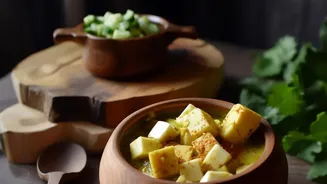
Replacing meat is the most common substitution. The key is to find a base that offers a satisfying texture and can absorb flavours well. For vegetarian options, paneer and boiled, grated potatoes are classic choices that create soft, melt-in-the-mouth koftas, especially for creamy Malai Kofta. Grated vegetables like bottle gourd (lauki) or cabbage are also popular, but they contain a lot of water. It's crucial to salt them and squeeze out all excess moisture to prevent the koftas from breaking. For vegan koftas, cooked lentils, chickpeas, or high-protein tofu are excellent. These can be pulsed in a food processor to achieve a mince-like consistency. Mushrooms can also add a 'meaty' umami flavour. Plant-based meat alternatives are also a convenient, modern option.
The Binder: How to Hold It All Together
The binder is what prevents your koftas from disintegrating into a sad mush in the oil or gravy. Traditionally, breadcrumbs or gram flour (besan) are used. An egg is also a common binder in meat-based koftas. When making substitutions, especially for gluten-free or vegan versions, you have several options. Cornstarch or arrowroot powder are effective starch-based binders that work well in paneer or vegetable koftas. Chickpea flour is a fantastic gluten-free binder that also adds a nutty flavour and protein. Mashed potatoes or even sweet potatoes not only bind but also keep the interior soft and tender. For a vegan, gluten-free option, ground oats or a 'flax egg' (ground flaxseed mixed with water) can also do the trick. If your mixture feels too wet, don't be afraid to add a little more binder, but be careful not to make the koftas dense.
The Aromatics and Fat: Building Flavour
This is where the soul of the kofta lies, and thankfully, it's the easiest part to adapt. The classic foundation of finely chopped onion, garlic, and ginger provides a flavour base that is essential. Grated onion is a secret weapon, as it adds moisture and a subtle sweetness, helping to keep even lean koftas juicy. Fresh herbs like cilantro and mint are non-negotiable for that fresh, aromatic lift. From there, the spice blend—typically involving cumin, coriander, garam masala, and a touch of chilli—can be customized to your liking. When it comes to fat, traditional recipes rely on the fat within the meat or the richness of paneer. If you're using a lean base like chicken or a watery vegetable, adding a bit of ghee or oil to the mixture can improve both the flavour and the texture, preventing dryness.
Technique Matters: The Final Touches
Successful substitution isn't just about ingredients; it's also about technique. If your kofta mixture feels too soft or sticky, chilling it in the refrigerator for 30 minutes can make it much easier to shape. This is especially helpful for meat or vegan meat-substitute koftas. When frying, ensure your oil is at the correct temperature. If it's not hot enough, the koftas will absorb oil and become soggy and may fall apart. If it's too hot, the outside will burn before the inside is cooked. Always fry a single 'test' kofta first to check your seasoning and binding. Finally, when adding koftas to a gravy, let them gently simmer. A rolling boil is the fastest way to break even the most perfectly bound koftas.