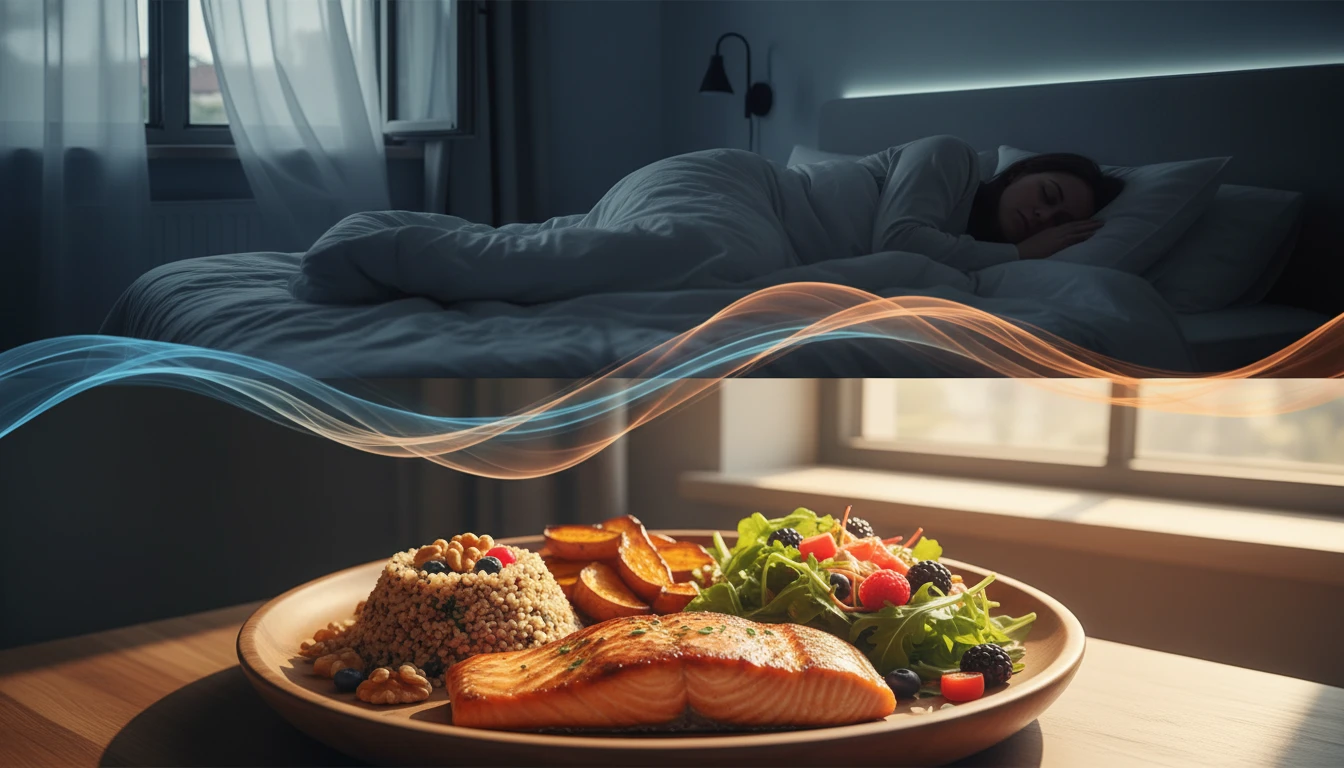









The Science of 'When' You Eat
You’ve likely spent time thinking about what foods to eat for better health, but have you ever considered the timing of your meals? Welcome to chrononutrition, a field of science that explores how aligning your eating patterns with your body's internal
clock can significantly impact your health. This internal clock, known as the circadian rhythm, is a roughly 24-hour cycle that governs everything from your sleep-wake patterns to your metabolism and hormone production. While your brain's master clock is mainly influenced by light, there are 'peripheral clocks' in your organs, like the liver and gut, that are strongly influenced by when you eat. Eating in sync with these natural rhythms can promote better health, while eating at odd hours can throw them out of alignment.
Your Body's Internal Clocks
Think of your circadian rhythm as the conductor of your body’s orchestra. During the day, it tells your body to be alert and active. At this time, your metabolism is running at its peak, making it the most efficient time to digest food and use energy. As evening approaches, your internal clock signals the release of melatonin, the sleep hormone, which prepares your body for rest. Digestion naturally slows down, and your core body temperature begins to drop to facilitate sleep. This elegant system is designed to keep you awake and fueled during the day and resting and repairing at night. Disrupting this cycle by, for example, eating a large meal late at night, can confuse these clocks, a state known as circadian misalignment. This misalignment has been linked to a host of issues, including poorer glucose control and metabolic disruptions.
The Midday Meal Advantage
This is where the idea of a heavy lunch comes in. Consuming the majority of your daily calories during the middle of the day aligns perfectly with your body's peak metabolic efficiency. Your digestive system is primed to handle a larger meal, breaking it down and converting it into energy for the rest of your afternoon. Some research suggests aiming to eat about half of your daily calories by lunchtime to give your body the fuel it needs when it's most active. Following this pattern with a lighter, smaller dinner allows your body to wind down properly in the evening. With less digestive work to do, your system can focus on the crucial processes of repair and restoration that happen during sleep. This front-loading of calories supports your natural energy curve and prepares your body for a more restful night.
Why a Heavy Dinner Disrupts Sleep
Eating a large meal late in the evening forces your body to work when it should be resting. The digestive process itself requires energy and increases blood flow to your gut, which can raise your core body temperature at a time when it should be dropping to initiate sleep. A heavy, late dinner can lead to discomfort, indigestion, and acid reflux, all of which can cause awakenings and fragmented sleep. Furthermore, eating late signals to your peripheral clocks that it's still 'daytime', creating a conflict with your brain's master clock which is trying to prepare for sleep. Studies show that eating within three hours of bedtime is associated with more nighttime awakenings and lower-quality sleep. Essentially, a late, heavy meal keeps your body in 'awake mode', making it much harder to transition into deep, restorative sleep.
Syncing Your Meals with Your Clock
Shifting your eating pattern isn't about rigid rules but about creating a new rhythm. Start by gradually making your lunch the most substantial meal of your day. You don't have to make a drastic change overnight. Incorporate more protein and healthy fats into your midday meal to stay full and energized. For dinner, focus on lighter options that are easier to digest. Aim to finish your last meal at least two to three hours before you go to bed. This provides your body with enough time to digest before you lie down. Consistency is also key. Keeping your mealtimes regular, even on weekends, helps to reinforce your body's internal clock, which can improve both sleep quality and daytime energy levels. By listening to your body's natural cues, you can work with your circadian rhythm, not against it.