







The Psychology of Invisible Money
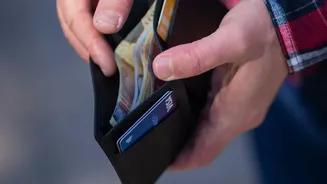
The core issue lies in the frictionless nature of digital payments. When you hand over physical cash, you experience a psychological phenomenon known as the 'pain of paying'—a tangible sense of loss that makes you more conscious of the expense. UPI, however,
is designed to eliminate this friction. A quick scan of a QR code creates an emotional distance from the money being spent, making the transaction feel less 'real'. Studies show this can lead people to spend more impulsively and frequently than they would with cash because each small digital payment flies under the radar of critical thought. While individually insignificant, these micro-spends accumulate into a substantial drain on your monthly budget, often discovered only when you check your statement at the end of the month.
What is a Dedicated Expense Wallet?
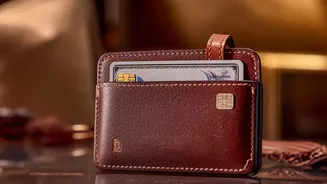
The solution is to reintroduce a form of intentional friction and structure. A dedicated expense wallet is a modern take on the classic envelope budgeting system. It involves setting up a separate financial pool exclusively for your daily, discretionary spending. This isn't your main salary account. Instead, it can be a secondary, zero-balance digital savings account, or an on-device wallet like UPI Lite, which is available on most major UPI apps. The principle is simple: your salary and savings are kept in one account, safe from the daily barrage of small debits, while all non-essential, day-to-day purchases are made from this separate, pre-funded expense wallet.
Setting Up Your System in Two Steps
Getting started is straightforward. First, choose your tool. You can open a second digital savings account with a bank that offers a zero-balance facility and a seamless digital experience. This keeps your spending history separate and clean. Alternatively, you can use the UPI Lite feature on apps like PhonePe or Google Pay. Think of UPI Lite as a digital petty cash drawer on your phone. Second, fund your wallet. At the beginning of the week or month, decide on a realistic budget for your discretionary expenses—things like daily commutes, lunches, coffee, and other small impulse buys. Transfer only this fixed amount from your main salary account into your dedicated expense wallet. For instance, if you budget ₹1,500 for weekly micro-spends, load that amount and no more.
The Golden Rule: When It’s Empty, It’s Empty
The effectiveness of this system hinges on one strict rule: once the money in your expense wallet runs out, your spending stops until the next budget period. This acts as a hard limit, forcing you to be more mindful of your purchases as you see the balance decrease. Paying for everything from this single, limited pool makes the financial impact of each transaction visible again. You are no longer dipping into the seemingly vast ocean of your salary account. Instead, you're spending from a finite resource, which naturally encourages better decision-making. You'll start to intuitively ask yourself if a purchase is necessary because you can see its direct effect on your remaining weekly budget.
The Benefits Beyond Budgeting
Beyond just curbing overspending, this method offers significant mental benefits. Segregating your finances brings enhanced organisation and reduces financial anxiety. Your main bank statement becomes cleaner, showing only significant transactions like salary credits, rent, investments, and bill payments, making it easier to track your overall financial health. You no longer have to sift through dozens of tiny UPI debits to understand your cash flow. This clarity provides a greater sense of control and reduces the mental load of tracking every single rupee. It shifts your mindset from reactive guilt at the end of the month to proactive, intentional spending every day.