




Find Your Green Nook
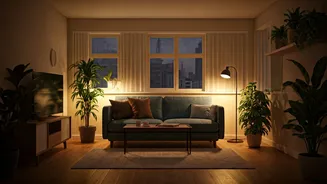
The first step is to identify the perfect spot. Look around your home for an empty corner that gets some natural light. This doesn't mean it needs hours of direct sun; in fact, many popular indoor plants thrive in bright, indirect light, like that from
an east-facing window or a few feet away from a west-facing one. Even low-light corners, common in many apartments, can host a variety of plants that are adapted to shade. Consider spaces in your living room, bedroom, or even a home office. The goal is to choose a spot where a plant can live comfortably and bring a touch of nature to your daily life.
Choose Your First Plant Friends
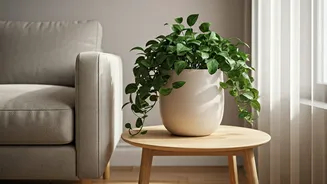
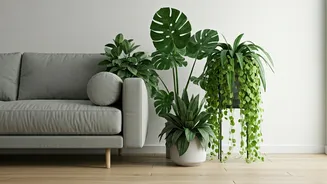
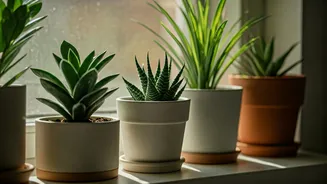
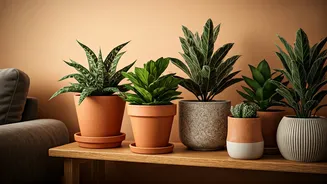
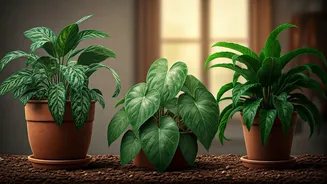
For beginners, the key is to select plants that are famously forgiving. Thankfully, many of the best options for Indian homes are both beautiful and resilient. The Snake Plant (Sansevieria) is a top choice, known for its architectural leaves and ability to thrive in very low light with minimal watering. Another nearly indestructible option is the ZZ Plant (Zamioculcas zamiifolia), which has glossy leaves and also tolerates neglect. The humble Money Plant (Pothos) is beloved across India for a reason; it grows well in various light conditions, can trail beautifully from a shelf, and is easy to care for. Other great starters include the Spider Plant and the elegant Peace Lily, which can even produce white flowers in a lower-light environment.
Gather Your Simple Toolkit
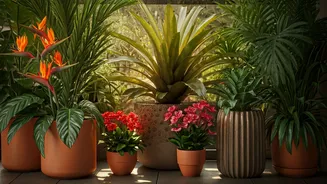
You don't need a shed full of equipment to start. The essentials are simple and affordable. First, a pot with a drainage hole is crucial to prevent root rot from overwatering. Terracotta pots are an excellent choice as they are porous and help wick away excess moisture. Next, you'll need a quality indoor potting mix, which is specially formulated to provide the right balance of drainage and nutrients. A small hand trowel is useful for potting and handling soil, though a large spoon can work in a pinch. Finally, a watering can with a long, narrow spout allows you to water the soil directly without splashing the leaves.
The Art of Potting and Placement
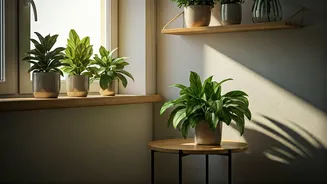
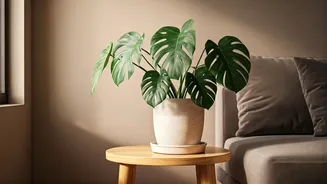
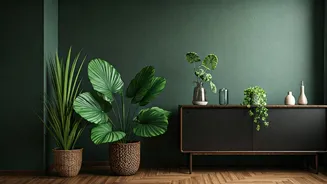
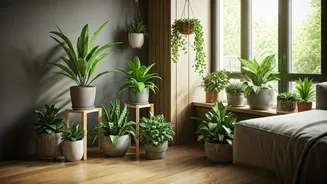
Once you have your plant and supplies, it's time to create your green corner. If your plant is in a temporary plastic container, gently transfer it to its new pot. Fill the bottom of the pot with some potting mix, place the plant inside, and fill the surrounding space with more soil, pressing down gently. Water it lightly. Now, for the fun part: styling. You can place a single, tall statement plant in a beautiful basket on the floor. For smaller plants, a tiered stand can create a lush, layered look by displaying plants at different heights. Floating shelves are another great way to utilise vertical space, especially for trailing plants like Pothos. Don't be afraid to mix and match pots of different textures and sizes to add visual interest.
A Simple Care Routine
The most common mistake for new plant parents is overwatering. Before you water, test the soil by sticking your finger about an inch or two deep; if it feels dry, it's likely time for a drink. For beginner-friendly plants like the Snake Plant or ZZ Plant, it's better to underwater than overwater. Wipe the leaves with a damp cloth occasionally to remove dust, which helps the plant breathe and absorb light more efficiently. Keep an eye out for yellowing leaves, which can be a sign of too much water. Rotate the pot every few weeks so all sides get some light. This simple routine will keep your new green friend healthy and thriving.