





Why Your Digestion Loves a Daily Salad
At its core, a salad is a fantastic source of dietary fibre and hydration, two of the most important elements for a happy digestive system. Fibre, a type of carbohydrate the body can't digest, adds bulk to stool, which helps it move more easily through
your digestive tract, preventing constipation. Many raw vegetables also have a high water content, which helps soften stool and keeps your entire system running smoothly. Regularly consuming a variety of raw vegetables introduces beneficial nutrients and natural enzymes that can significantly improve how your body processes food.
Cucumber: The Hydration Hero
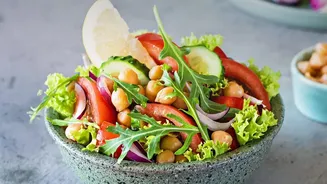
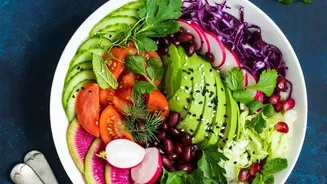
Cucumbers are a standout ingredient for digestive health primarily because they consist of about 95% water. This incredible water content is crucial for maintaining hydration, which supports kidney function, regulates body temperature, and, most importantly, aids digestion. Proper hydration helps your body break down food and absorb nutrients more efficiently. The combination of water and fibre in cucumbers helps soften stool, improve its consistency, and prevent the discomfort of constipation, ensuring everything keeps moving as it should. The skin of the cucumber is particularly rich in fibre, so it's best to eat it unpeeled to get the maximum benefit.
Beetroot: The Fibre-Rich Purifier
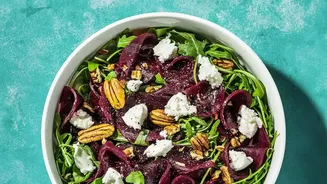
Beetroot is a root vegetable packed with essential nutrients and a significant amount of dietary fibre, offering about 2-3 grams per 100-gram serving. It contains both soluble and insoluble fibre. Insoluble fibre adds bulk to your stool, promoting regularity, while soluble fibre forms a gel-like substance that slows digestion and feeds the beneficial bacteria in your gut. These good bacteria, like Bifidobacteria and Lactobacilli, are essential for a healthy gut microbiome, which helps fight disease and boosts your immune system. By nourishing these bacteria, beetroot helps maintain a balanced digestive ecosystem.
Sprouts: The Enzyme Powerhouse
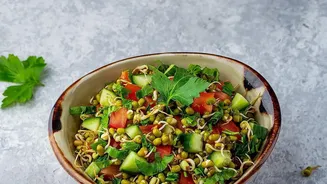
Sprouts are essentially baby plants, and they are one of the most enzyme-rich foods available. These enzymes, such as amylase, protease, and lipase, are crucial because they help your body break down carbohydrates, proteins, and fats more effectively. This pre-digestion process, which begins during germination, means that your own digestive system doesn't have to work as hard, which can reduce common issues like bloating and gas. The sprouting process also increases the fibre content of the seed and reduces anti-nutrients like phytic acid, making minerals like iron, calcium, and zinc more available for your body to absorb.
Building Your Ultimate Digestive Health Salad
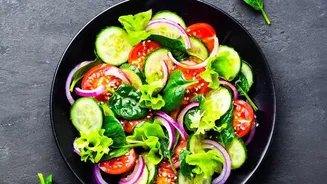
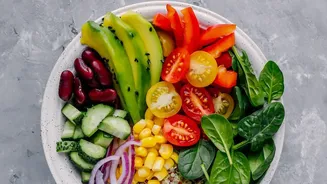
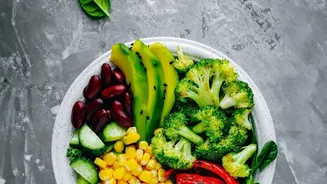
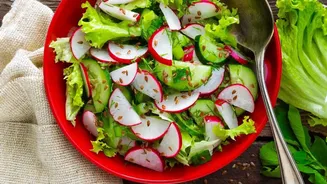
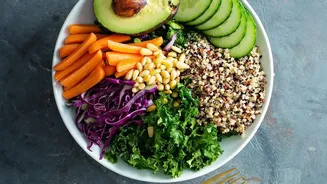
Creating a salad focused on digestive health is simple. Start with a base of leafy greens like spinach or lettuce, which are also high in fibre. Then, liberally add sliced cucumber, grated raw beetroot, and a generous handful of mixed sprouts, such as broccoli, radish, or lentil sprouts. To make it a more complete meal, consider adding a source of lean protein and healthy fats, like avocado, which can help slow the release of sugar into your bloodstream. A simple dressing of lemon juice and a touch of olive oil is all you need to finish it off. By combining these powerful ingredients, you create a delicious meal that actively supports your digestive wellness from the inside out.