

Why Nepal's Floods Affect India
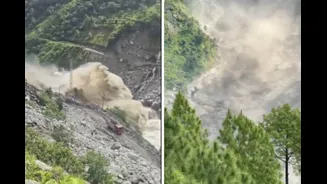
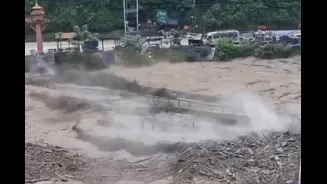
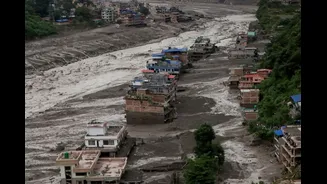
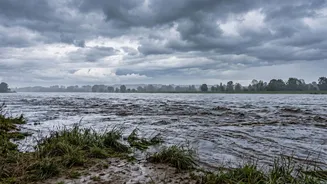
The geography of the Himalayan region means that many major rivers originate in Nepal before flowing into the densely populated plains of India. The current crisis centres on the Gandak River, known as the Narayani in Nepal. A sudden flash flood in Nepal's
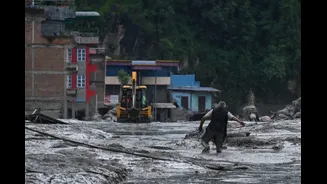
Trishuli river, a tributary of the Gandak, is sending a large volume of water downstream toward the Indian border. This natural water-sharing system makes states like Bihar and Uttar Pradesh inherently vulnerable to heavy rainfall and glacial lake outburst flood (GLOF) events in the upper catchment areas of Nepal. This week's event, triggered by a suspected GLOF near the Nepal-China border, created a surge that is now travelling south, raising alarms for districts along the Gandak's path.
The Situation on the Ground
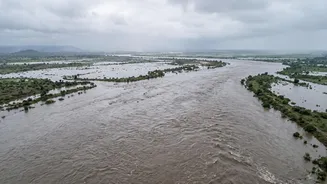
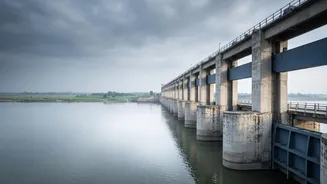
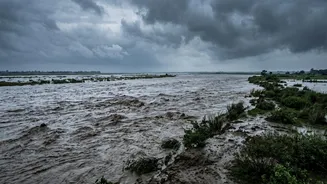
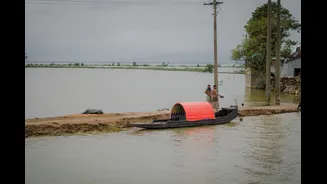
Authorities are closely monitoring the Valmikinagar barrage in Bihar's West Champaran district, the point where the Gandak enters India. In anticipation of the floodwaters, officials opened all 36 gates of the barrage to manage the flow, releasing around 1.5 lakh cusecs of water by Wednesday night. While the water level began to recede by Thursday morning, the situation remains under close watch. An alert has been issued for at least six districts in Bihar: West Champaran, East Champaran, Gopalganj, Saran, Muzaffarpur, and Vaishali. In Uttar Pradesh, the districts of Maharajganj and Kushinagar are under heightened vigilance due to their proximity to the Gandak.
A Proactive National Response
The National Disaster Response Force (NDRF) has been placed on high alert, deploying a total of 20 teams across the two states as a precautionary measure. Eleven teams are positioned in Uttar Pradesh and nine in Bihar. Specific deployments have been made to the most vulnerable districts, including Kushinagar in UP and West Champaran and Muzaffarpur in Bihar, to ensure a rapid response if needed. Union Home Minister Amit Shah has spoken with the Chief Ministers of both states, assuring them of all possible central assistance. Additional NDRF teams are on standby, ready to be airlifted to affected areas if the situation escalates.
State-Level Preparations
State governments in both Bihar and UP have activated their disaster management protocols. In Bihar, Chief Minister Samrat Choudhary and Deputy Chief Minister Vijay Kumar Chaudhary are personally overseeing the preparations. The state has cancelled leave for officials in the concerned districts and urged people in low-lying areas of West Champaran and Vaishali to move to safer locations. In Uttar Pradesh, Chief Minister Yogi Adityanath has directed the administrations of Maharajganj and Kushinagar to ensure all necessary preparedness measures are in place and to maintain strict vigilance on river levels. Evacuations have been ordered in some vulnerable villages in Kushinagar as a precautionary step. Local officials are making public announcements to keep residents informed and prepared.
What Happens Next
While officials have urged the public not to panic, they have also stressed the need for caution and vigilance. The next 24 to 48 hours will be critical as the main volume of water passes through the Gandak river system in India. Authorities have noted that the current water level in the Gandak was relatively low before this surge, which provides some buffer capacity. However, the situation is dynamic and depends on rainfall in both Nepal and the local region. Residents in the alerted districts are advised to follow all instructions from local authorities, stay away from riverbanks, and be prepared for potential evacuation orders. The focus remains on monitoring the water flow and ensuring that rescue and relief infrastructure is ready to be activated instantly.