



The Upper Body Unwind
Sitting hunched over a keyboard leads to tension in the neck, shoulders, and back. This quick routine helps release that stiffness. Start with neck rolls: gently drop your chin to your chest and slowly roll your head from side to side. Follow this with shoulder shrugs:
raise your shoulders to your ears, hold for five seconds, and release. Finally, combat typing strain with wrist stretches. Extend one arm, palm up, and gently pull your fingers back with the other hand, holding for 20-30 seconds before switching. These simple moves improve circulation and release tight muscles.
The Seated Core Activator
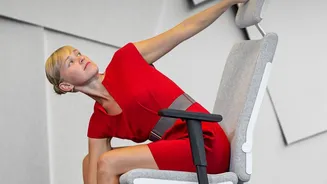
You don't need to get on the floor to work your core. A strong core supports good posture and can alleviate back pain. Try seated spinal twists: while sitting tall, place your right hand on your left knee and gently twist your upper body to the left, using the chair for support. Hold for 20 seconds and repeat on the other side. You can also practice abdominal bracing by simply tightening your stomach muscles as if preparing for an impact, holding for 10-15 seconds, and then releasing. For a bigger challenge, try seated leg extensions: while sitting, extend one leg straight out and hold for five seconds before lowering. Alternate legs for a full minute.
The Lower Body Booster
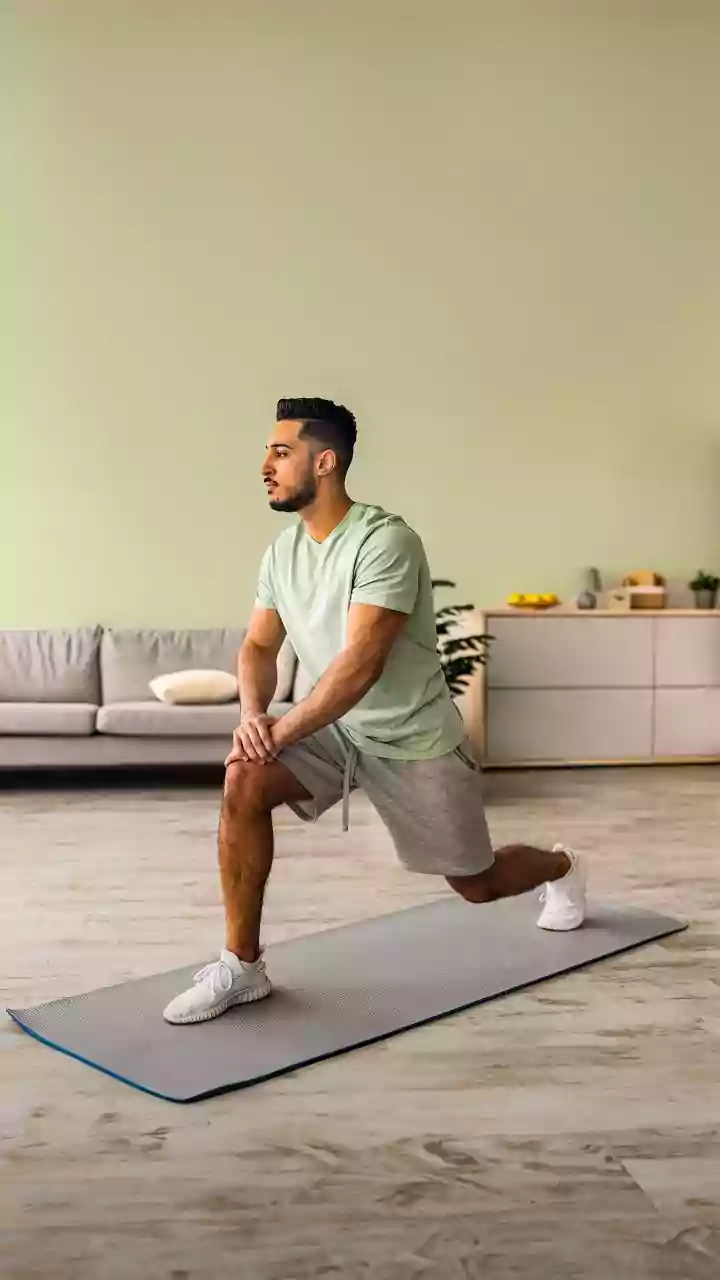
Prolonged sitting can weaken the large muscles in your legs and glutes. Wake them up with this simple circuit. Start with chair squats: stand up from your chair without using your hands, then slowly lower yourself back down. Aim for 10-12 repetitions. Next, perform calf raises by standing and lifting your heels off the floor, holding for a few seconds at the top. You can hold onto your desk for balance. Finally, engage your glutes with seated squeezes; simply squeeze your gluteal muscles tightly for 10 seconds and release. Repeat these moves for a few minutes to get the blood flowing to your lower body.
The Five-Minute Cardio Blast
When the afternoon slump hits, a quick cardio burst can be more effective than another cup of coffee. It increases oxygen flow to the brain, enhancing focus and energy levels. If you have a bit of privacy, try 60 seconds of high knees or jogging on the spot. Jumping jacks are another excellent option to get your heart rate up. If you need to be more discreet, simply walking quickly around the office, taking the stairs instead of the lift, or even just standing up and sitting down repeatedly can provide a cardiovascular boost. Even short bursts of high-intensity movement have been shown to have a positive impact.
The Posture Reset
Poor posture is one of the biggest side effects of a desk job. Counteract the slump with exercises that open the chest and realign your spine. A doorway stretch is perfect for this: stand in a doorway and place your forearms on the frame, then gently step forward until you feel a stretch across your chest. Another great option is the wall sit. Stand with your back against a wall and slide down until your knees are at a 90-degree angle, as if sitting in a chair. Hold for 30-60 seconds to engage your core and leg muscles, which are crucial for maintaining good posture.