




Your Gut: A Bustling Community
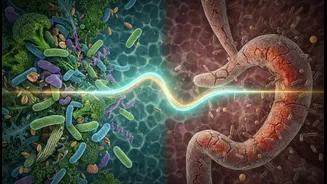
Your gut is home to trillions of microorganisms, including bacteria, viruses, and fungi, collectively known as the gut microbiome. Think of it as a complex and thriving internal ecosystem. These microbes aren't just passive residents; they play a crucial
role in your health by helping to digest food, produce essential vitamins, regulate your immune system, and even influence your mood. A healthy gut has a diverse and balanced community of these microbes, which work together to keep you thriving. This symbiotic relationship is fundamental: we provide them with a place to live, and they perform services our bodies can't do on their own.
Why Fibre Is a Gut Superhero
Dietary fibre is a type of carbohydrate from plant-based foods that your body cannot digest. Instead of being broken down, it travels relatively intact to your large intestine, where it becomes the primary food source for your beneficial gut bacteria. When these microbes feast on fibre, they produce beneficial compounds like short-chain fatty acids (SCFAs). These compounds help to nourish the cells of your gut lining, reduce inflammation, and support your metabolic health and immune function. Without enough fibre, this entire system can be compromised. Studies show that most Indians consume only about 15 grams of fibre per day, which is significantly less than the recommended 25-30 grams.
Soluble vs. Insoluble: You Need Both
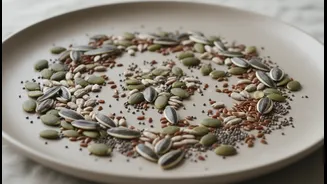
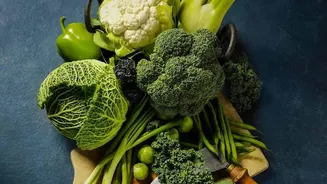
Fibre isn't a one-size-fits-all nutrient; it comes in two main types, and both are vital for health. Soluble fibre dissolves in water to form a gel-like substance. This process slows digestion, which helps regulate blood sugar levels and can lower bad cholesterol. Good sources include oats, barley, dals, beans, apples, carrots, and psyllium (isabgol). Insoluble fibre does not dissolve in water. It adds bulk to your stool, promoting regular bowel movements and helping to prevent constipation. You can find it in whole-wheat flour, millets, nuts, beans, and vegetables like cauliflower, green beans, and leafy greens. Most plant foods contain a mix of both types, so eating a variety is key.
Easy Ways to Boost Fibre in Your Indian Diet
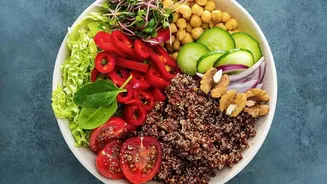
Increasing your fibre intake doesn't require a complete diet overhaul. Our traditional Indian cuisine is naturally rich in fibre; we just need to make conscious choices. Start by swapping refined grains for whole grains—choose whole-wheat or multigrain atta for rotis and opt for brown rice, jowar, or bajra instead of white rice. Make sure to include a serving of dal, chana, or rajma in at least one of your main meals every day. Fill half your plate with vegetables at lunch and dinner. Non-starchy vegetables like bhindi (okra), lauki (bottle gourd), palak (spinach), and karela (bitter gourd) are excellent choices. For snacks, reach for whole fruits like guava (one of the highest-fibre fruits), apples, or a handful of roasted chana instead of processed foods.
Beyond Digestion: The Wider Benefits
The benefits of a fibre-rich diet extend far beyond just keeping you regular. By promoting a feeling of fullness, fibre can be a great ally in weight management. It helps control your appetite and can reduce overall calorie intake. A healthy gut microbiome, nourished by fibre, is also strongly linked to a robust immune system, as a large portion of your immune cells reside in the gut. Furthermore, the gut-brain connection is a powerful one; some gut bacteria help produce chemicals like serotonin, which can influence mood and stress levels. By starting with more fibre, you're not just improving digestion—you're investing in your long-term, whole-body health.