







The Soda Aisle Gets a Makeover
Something fundamental has shifted in America's coolers. For decades, the soda landscape was a predictable duopoly of cola giants. Now, it’s a vibrant, competitive space crowded with newcomers promising more than just fizz and sugar. Brands like Olipop
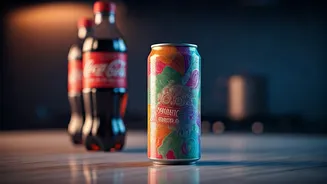
and Poppi, with their minimalist fonts and Instagram-ready packaging, are leading the charge. They don't look or feel like traditional sodas, and that's the entire point. Instead of promising 'The Real Thing,' they offer a 'healthy alternative' that doesn't feel like a sacrifice. This isn’t just about a new product; it’s a full-scale rebranding of what a carbonated treat can be, moving it from the junk food category to the wellness shelf.
So, What's a 'Functional' Soda?
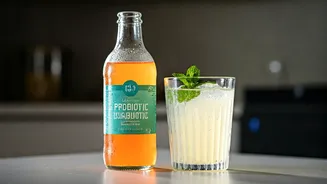
At its core, a 'functional' or 'probiotic' soda aims to do two things: drastically cut the sugar and add ingredients intended to benefit your health. Where a traditional can of cola packs around 39 grams of sugar, an Olipop or Poppi typically contains 5 grams or less. They achieve this using natural sweeteners like stevia and monk fruit. But the real selling point is what they add. Most contain prebiotics—a type of dietary fiber that feeds the 'good' bacteria in your gut. Poppi’s signature ingredient is apple cider vinegar, long touted in health circles for its digestive benefits. Olipop stacks its cans with a blend of plant fibers and botanicals. The goal is to create a drink that tastes like a nostalgic treat—root beer, vintage cola, orange squeeze—while delivering ingredients associated with improved gut health.
The Gut Health Gold Rush
Why now? Because 'gut health' has officially gone mainstream. Once a niche topic for biohackers and nutrition experts, the concept of the gut microbiome—the trillions of bacteria living in our digestive tract—is now a common talking point. We’re increasingly aware of the connection between gut health and everything from our immune system and mood to skin clarity. This has created a massive consumer appetite for products that support it. Probiotic sodas are the perfect product for this moment. They offer an incredibly easy and enjoyable way for people to feel like they’re actively improving their health. Swapping a sugary soda for one that promises to support your digestion feels like a simple, virtuous upgrade, no complex diet changes required.
It's a Vibe, Not Just a Beverage
You can't separate the success of these drinks from their masterful marketing. These brands live on social media, particularly TikTok and Instagram, where their colorful cans are a key part of the 'that girl' aesthetic—a lifestyle trend focused on wellness, productivity, and effortless cool. Holding a Poppi is a signal. It says you’re in the know, you prioritize your health, but you’re not so rigid you won't enjoy a fun, bubbly drink. Celebrity investors and influencer partnerships have further cemented their status as a trendy, aspirational product. For many young adults, the choice isn't just about nutrition; it's about identity. They’re buying into a brand that reflects a modern, health-conscious worldview.
A Healthier Choice, Not a Health Food
With all the buzz, it’s important to maintain perspective. Are these sodas a magic bullet for your health? Most dietitians and nutritionists would say no. While the added fiber is a plus and the low sugar content makes them unequivocally a better option than a full-sugar soda, they aren't a replacement for a balanced diet rich in whole foods. The actual probiotic and prebiotic benefits can vary, and some experts caution that you'd need to consume them consistently to see a significant impact. The consensus seems to be that they are a fantastic 'better-for-you' alternative. If you're choosing between a can of Coke and a can of Olipop, the latter is the clear winner from a nutritional standpoint. But thinking of it as medicine in a can might be a stretch.