



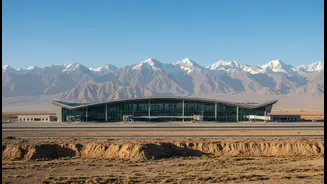




A New Gateway to the Roof of the World
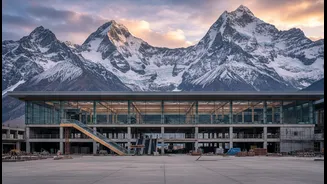
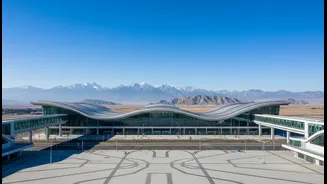
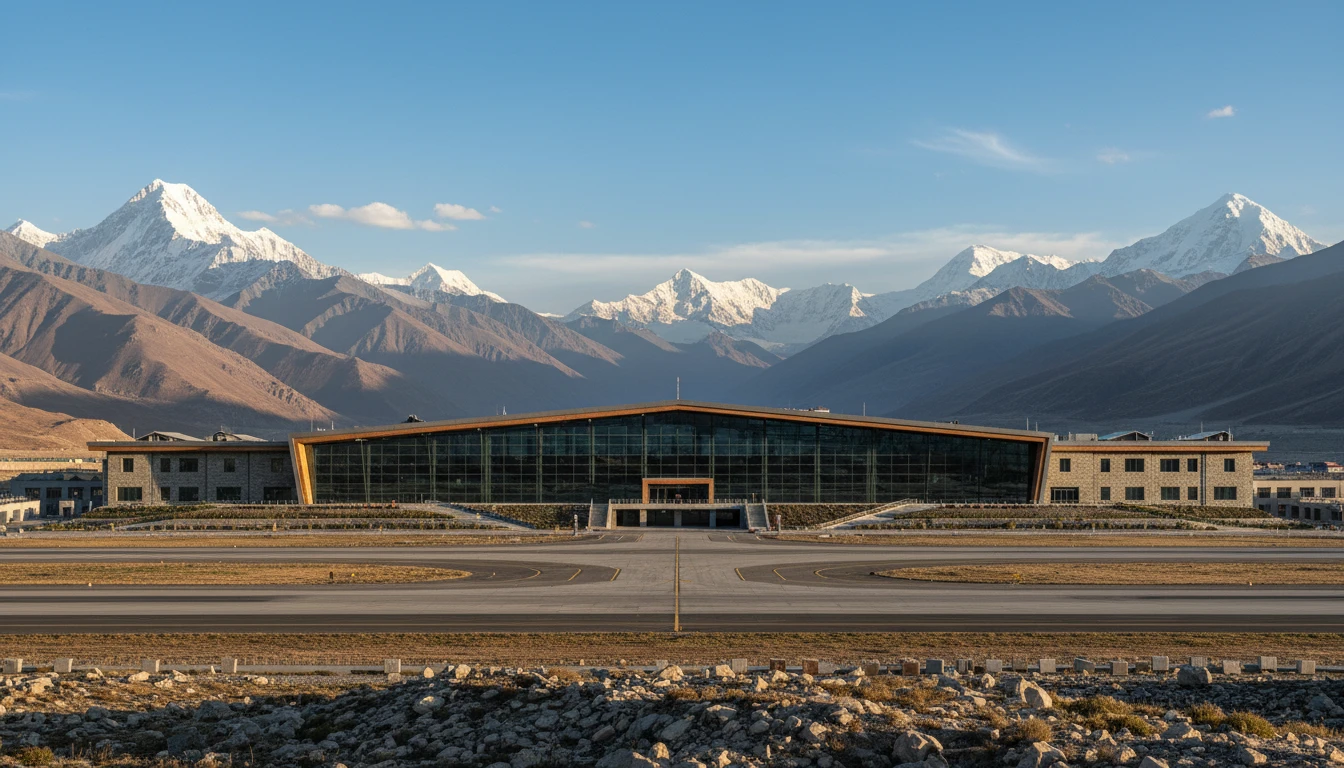
Leh's Kushok Bakula Rimpochee Airport, one of the highest commercial airports globally, is undergoing a monumental transformation. The centerpiece is a new, state-of-the-art terminal building which is reportedly 83% complete as of early July 2026. This
ambitious project, constructed by the Airports Authority of India (AAI), is designed to handle a massive increase in passenger traffic, with a projected annual capacity of 3.5 million, a significant leap from the previous 1.5 to 2 million. The new terminal, spread across approximately 19,000 square metres, is a three-level structure featuring modern amenities like aerobridges, numerous check-in counters, and advanced baggage handling systems designed to streamline the travel experience. Culturally, the building's design aims to reflect Buddhist philosophy and local Ladakhi heritage, offering visitors an immediate sense of place.
Tripling Capacity, Easing Bottlenecks
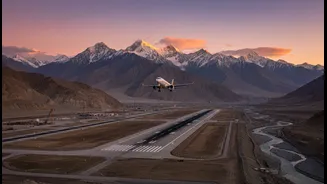
The most immediate change travellers will notice is a dramatic increase in flight operations. Once fully operational, the expanded airport is expected to handle up to 54 flights per day, tripling its current capacity. This surge in connectivity is a direct response to the growing demand for travel to Ladakh and aims to alleviate the bottlenecks that have long plagued peak season travel. Already, in anticipation of the new terminal, flight frequency has increased from eight to 18 flights daily, connecting Leh with major cities like Delhi, Mumbai, and Chandigarh. For travellers, this means more options, potentially more competitive airfares, and greater flexibility in planning. The frustrating experience of sold-out flights and last-minute cancellations due to limited slots may soon become a thing of the past.
A Groundbreaking Push for Sustainability
Building a modern facility in an ecologically fragile region like the Himalayas presents unique challenges. The new Leh terminal addresses this with pioneering green technology, set to become India's first airport to run on a hybrid geothermal and solar power system. Given Ladakh's extreme temperatures, which can plummet to -30 degrees Celsius, a massive geothermal system with hundreds of borewells will harness the earth's stable underground heat for warming the terminal in winter and cooling it in summer. This is complemented by a large solar array that takes advantage of the region's 300-plus sunny days. Together, these systems are expected to significantly reduce the airport's carbon footprint by cutting an estimated 900 tonnes of CO2 emissions annually.
The Dawn of Year-Round Ladakhi Tourism?
Perhaps the most significant long-term impact of the airport's expansion is the potential for year-round tourism. Ladakh's harsh winters have traditionally cut it off from all but the most intrepid visitors, with road access blocked and flights frequently disrupted by weather. The improved infrastructure and increased flight capacity are aimed at making winter travel more reliable and accessible. This could fundamentally alter how and when people visit, opening up possibilities for winter sports, cultural festivals, and experiencing the stark beauty of a snow-covered Ladakh. This shift could provide a more stable, year-long income source for local businesses, including hotels and tour operators, who have historically relied on a short summer season.
Balancing Progress with Preservation
While the expansion promises unprecedented access and economic benefits, it also raises important questions about sustainability and over-tourism. The influx of millions of visitors will place immense pressure on Ladakh's delicate high-altitude ecosystem and its unique cultural fabric. Managing water resources, waste disposal, and the impact on wildlife will become more critical than ever. Local stakeholders and the administration have highlighted the need to position Ladakh as a premier destination focused on sustainable and well-planned development. For travellers, this means the new era of accessibility will come with a heightened responsibility to travel conscientiously, respect local customs, and help preserve the very magic that makes Ladakh so special.