





From Showpiece to Workshop
The definition of a luxury home is undergoing a quiet revolution. For decades, the ideal was a flawless, museum-like space, filled with imported furniture and art that served as static symbols of success. It was a home designed to be looked at, not necessarily
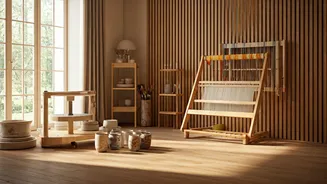
lived in. Today, discerning homeowners and forward-thinking architects are challenging that notion. They are moving away from the 'show home' and embracing the 'soul home'—a space that is a true reflection of the inhabitants' passions, hobbies, and inner lives. This means carving out dedicated areas not just for consumption, but for creation. The spare room once destined to be a minimalist guest suite is now being reimagined as a sun-drenched pottery studio. The forgotten corner of a sprawling balcony is becoming home to a weaver's loom. It’s a fundamental shift from passive perfection to active, personal expression.
The New Symbols of Status
In this new paradigm, the ultimate status symbols are no longer just about brand names or price tags. Instead, luxury is being redefined by experience, skill, and authenticity. A custom-built kiln for firing ceramics, a professional-grade workbench for woodworking, or a sound-proofed room for music now carries more cachet than another designer handbag or a rare piece of art. Why? Because these spaces represent something money alone cannot buy: time, dedication, and a tangible connection to a craft. They signal a life rich in more than just material wealth. Architects report that clients in major metro areas like Mumbai, Delhi, and Bengaluru are increasingly requesting these ‘maker spaces’. They want homes that support their mental and emotional well-being, providing an analogue escape from their high-pressure, digitally-saturated professional lives. This isn't just about having a hobby; it's about integrating that passion into the very fabric of one's daily existence.
A Digital Detox by Design
The rise of the craft space is also a direct response to our 'always on' culture. After spending hours staring at screens, the appeal of working with one's hands—feeling the cool clay on a pottery wheel, seeing the grain of wood take shape, or watching threads become fabric—is more powerful than ever. These activities are a form of mindfulness, a way to ground oneself in the present moment and engage the senses in a way a screen cannot. The process is often more important than the finished product. It's a meditative act that reduces stress and fosters a sense of accomplishment that is immediate and personal. Designing a home that facilitates this escape is the new frontier of wellness architecture. It acknowledges that true luxury is not just comfort, but also peace of mind, and that our homes can be our greatest allies in achieving it.
Reclaiming a Rich Heritage
For India, this trend has a particularly deep resonance. It represents a full-circle moment, connecting modern luxury with the subcontinent’s unparalleled legacy of craftsmanship. While the idea of a 'maker space' might feel contemporary, the principle of a home integrated with creative work is ancient in India. This revival isn’t about mimicking a Western trend, but about reinterpreting a rich local heritage for the modern age. Homeowners are commissioning spaces for block-printing, miniature painting, and even traditional textile dyeing. Prominent designers are collaborating with local artisan clusters to create bespoke elements for these homes, blending centuries-old techniques with contemporary aesthetics. This creates a home that is not only personal but also deeply rooted in its cultural context—a space that tells a story of both individual passion and collective history.