






Understanding the Monsoon Menace
Mould and mildew are fungi that thrive in damp, warm, and poorly ventilated environments. The Indian monsoon, with its consistently high humidity, offers the ideal conditions for these spores to multiply on surfaces like walls, ceilings, and even furniture.
This isn't just an aesthetic problem; inhaling mould spores can trigger allergic reactions, asthma attacks, and other respiratory issues. The key to controlling it is managing the moisture levels within your home.
Your First Line of Defence: Prevention
The best way to fight mould is to prevent it from growing in the first place. Start by checking your home for any potential water entry points. Sealing cracks in exterior walls and around window frames is a crucial first step. Applying a coat of waterproofing paint to external walls can also provide a strong barrier against seepage. Inside the home, ensure there is adequate air circulation. Keep a small gap between your furniture and the walls to prevent moisture from getting trapped. Using exhaust fans in kitchens and bathrooms, and opening windows for at least 30 minutes daily, will significantly reduce indoor humidity.
Spotting the Early Warning Signs
Catching dampness early can save you from a major mould problem. Be vigilant for tell-tale signs. A persistent musty odour is often the first clue that mould is growing somewhere nearby. Visually inspect your walls and ceilings for discoloured patches, water stains, or bubbling and peeling paint. These are clear indicators of moisture being trapped within the wall. If you notice any of these signs, it’s time to act quickly to identify the source of the moisture and begin the remediation process before the mould spreads further.
Safe and Effective Removal Techniques
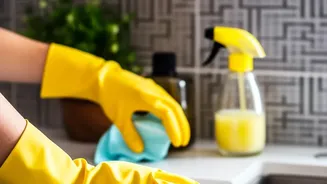
If you find mould, it's important to clean it safely. Never scrape or brush mould when it's dry, as this will release spores into the air. Always wear protective gloves and a mask. For a natural cleaning solution, spray the affected area with white vinegar and let it sit for an hour before wiping it clean. A paste made from baking soda and water is another gentle but effective option. For more stubborn patches, a solution of one part bleach to three parts water can be used, but ensure the room is well-ventilated during and after cleaning. After cleaning, the area must be dried completely, using a fan if necessary, to prevent regrowth.
Natural Ways to Dehumidify Your Home
Beyond ventilation, several natural methods can help absorb excess moisture from the air. Placing bowls of rock salt or calcium chloride in damp corners of a room can be surprisingly effective. Camphor balls and silica gel packs, often found in new product packaging, work wonders in enclosed spaces like cupboards and wardrobes. Certain houseplants, such as Peace Lilies and Boston Ferns, are also known to absorb ambient moisture, acting as natural, living dehumidifiers while also purifying the air.
When to Call in the Professionals
While many minor damp and mould issues can be handled with DIY methods, some problems require expert help. If you have a large area of mould covering more than a few square feet, or if it returns quickly after cleaning, it could signal a more serious underlying issue. Persistent dampness might be caused by structural problems like faulty plumbing or rising damp from the foundation. In these cases, it is best to consult a professional waterproofing expert or a building contractor to diagnose and permanently fix the source of the leak.