




Beyond a Race Against the Clock
The magic of the 30-minute meal isn't just about speed; it's about reclaiming control over your health and budget. When you cook at home, you decide exactly what goes into your food—controlling the amount of oil, salt, and sugar. Research shows that people
who cook more frequently at home tend to have better overall diet quality, consuming fewer calories, unhealthy fats, and processed ingredients. This shift away from takeout and processed foods, which are often linked to health issues, is a significant benefit. Moreover, the routine of preparing a meal can be a form of self-care, offering a moment to de-stress and disconnect from a busy day. It also significantly cuts down on expenses, as the cost of a single restaurant order can often cover ingredients for several home-cooked dishes.
The Real Secret: Smart Preparation
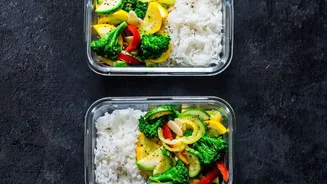
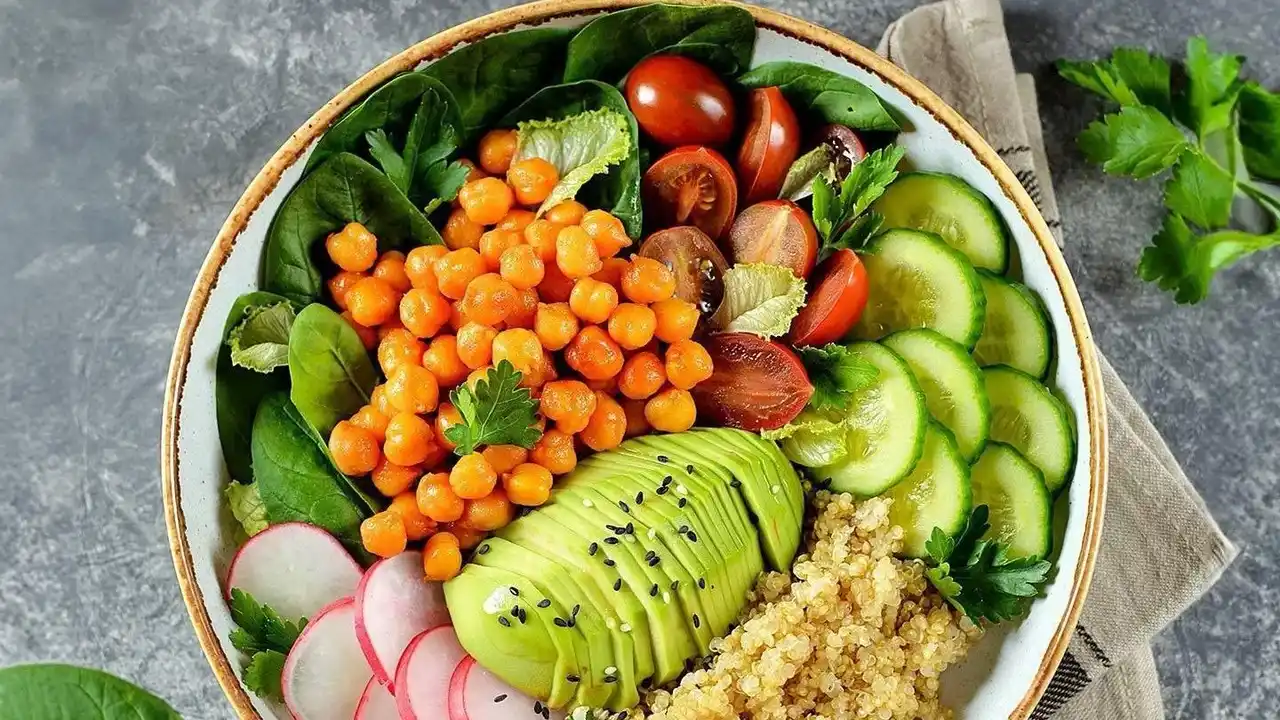
Achieving a 30-minute meal during a hectic week doesn't start at 7 p.m. It starts with a plan. The key is shifting some of the work to a less busy time, like the weekend. This practice, often called meal prep, is what makes quick weeknight cooking possible. It’s not about cooking entire meals in advance, but rather getting the components ready. Setting aside an hour or two can involve chopping vegetables, preparing a base ginger-garlic paste, boiling lentils or chickpeas, or cooking a large batch of grains like brown rice or quinoa. Having these staples ready transforms your weeknight task from cooking from scratch to simply assembling and finishing a dish.
Build a Fast and Friendly Pantry
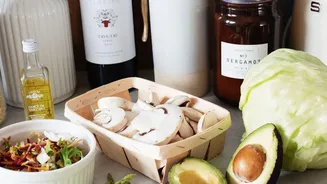
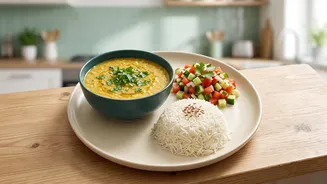
A well-stocked kitchen is your best ally for quick cooking. Keeping a core set of ingredients on hand eliminates last-minute grocery runs. For a modern Indian kitchen, this means having essentials like quick-cooking dals, rice, pasta, and canned beans. A good selection of ground spices is crucial, but it's best to buy them in small quantities to ensure they remain fresh and potent. Other must-haves include long-life items like onions, potatoes, and tomatoes, along with cooking oils and basic sauces. Using frozen vegetables is another time-saving trick; they are just as nutritious as fresh ones and come pre-chopped. Having these items ready allows for immense flexibility, letting you whip up a quick dal, a simple sabzi, or a stir-fry without a second thought.
Embrace Simple, Powerful Techniques
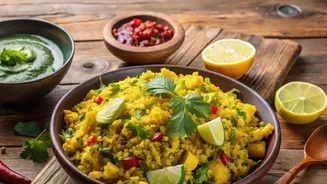
You don't need complex culinary skills to create flavourful meals quickly. Mastering a few simple techniques is all it takes. One-pot cooking is a game-changer for busy households, minimizing both effort and cleanup. Think of classic comfort foods like khichdi, dal rice, or even a hearty one-pot pasta. Pressure cookers are invaluable tools, dramatically speeding up the cooking time for lentils and vegetables. Other fast methods include stir-frying and sautéing, which are perfect for turning chopped vegetables and a protein into a complete meal in minutes. The technique of 'tadka' or tempering spices in hot oil or ghee is a cornerstone of Indian cooking that adds a massive burst of flavour to a simple dish in just a couple of minutes.
Putting It All Together
To start, don't overwhelm yourself by trying to cook a 30-minute meal every single night. Begin with a goal of two or three nights a week. Choose simple, familiar recipes before trying more complex ones. As you get into the rhythm of weekend prep and smart pantry management, you'll find the process becomes second nature. The feeling of accomplishment that comes from serving a healthy, home-cooked meal—even a simple one—can be incredibly rewarding. It reduces decision fatigue and frees up mental energy, allowing you to be more present with your family. The goal is to create a sustainable habit that serves your household's well-being without adding to your stress.